In this story
Understanding Your Dog’s Exercise Needs
As a dog owner in Hamilton, understanding your best friend’s exercise requirements is key to keeping them happy, healthy, and well-behaved. Every dog is an individual, just like people, and their exercise needs vary significantly based on several factors.
Factors Influencing Your Dog’s Activity Level
Before we dive into specific recommendations, consider these main factors that determine how much exercise your dog actually needs:
Breed and Genetics
Some breeds were simply designed for activity. Hunters, herders, and hounds generally require more exercise than companion breeds like Shih Tzus or Basset Hounds. Think energy level, metabolism, and natural instincts:
- High-energy breeds (Labradors, Golden Retrievers, Border Collies): Need substantial daily activity, including brisk walks, runs, playtime, and mental stimulation.
- Medium-energy breeds (Beagles, Boxers, mixed breeds): Require consistent exercise but may tolerate slightly less than high-energy breeds.
- Couch potato breeds (Cavalier King Charles Spaniels, Pugs, French Bulldogs): Often content with moderate exercise; too much can lead to injury or burnout.
Age Matters
Even fully grown dogs have different needs than puppies or seniors.
- Puppies: Their world is tiny, but their energy levels are sky-high. Exercise is crucial for their physical development and mental stimulation, but it needs to be appropriate for their age. Short, frequent breaks are best.
- Adults: Most active dogs need a combination of physical activity and mental engagement to thrive.
- Seniors: Their energy wanes, but their needs shift. Moderate, low-impact exercise is key, focusing on maintaining mobility and preventing health issues.
Health and Weight
Overweight dogs need more exercise to maintain a healthy weight, just like people! Conversely, dogs with certain health conditions (like hip dysplasia) may need specific, vet-approved exercise routines.
The Weather Element (Hamilton’s Reality)
Living in Hamilton means dealing with all four seasons. This significantly impacts safe exercise:
- Hot Summer Days: Hamilton can get quite warm. Avoid intense exercise during peak sun hours (roughly 10 am – 4 pm). Stick to early morning or evening walks. Ensure fresh water is always available and watch for signs of overheating (wheezing, excessive panting, drooling).
- Cold Winter Days: Frostbite and hypothermia are risks. Limit time on exposed paws and faces. Consider booties and sweaters for sensitive dogs. Shorter, calmer walks might be more comfortable than energetic playtime in extreme cold.
- Rain and Mud: Hamilton’s weather often brings rain. While some dogs love water, be mindful of potential hazards like slick surfaces and hidden puddles. Consider indoor alternatives on particularly damp days.
What Does “Exercise” Mean?
Exercise for dogs isn’t just about covering distance. It encompasses physical activity and mental stimulation:
Physical Exercise
This is the most obvious type:
* Leash Walking: A must for most dogs. Quality over quantity! Aim for at least two 20-30 minute walks daily, adjusting for your dog’s needs.
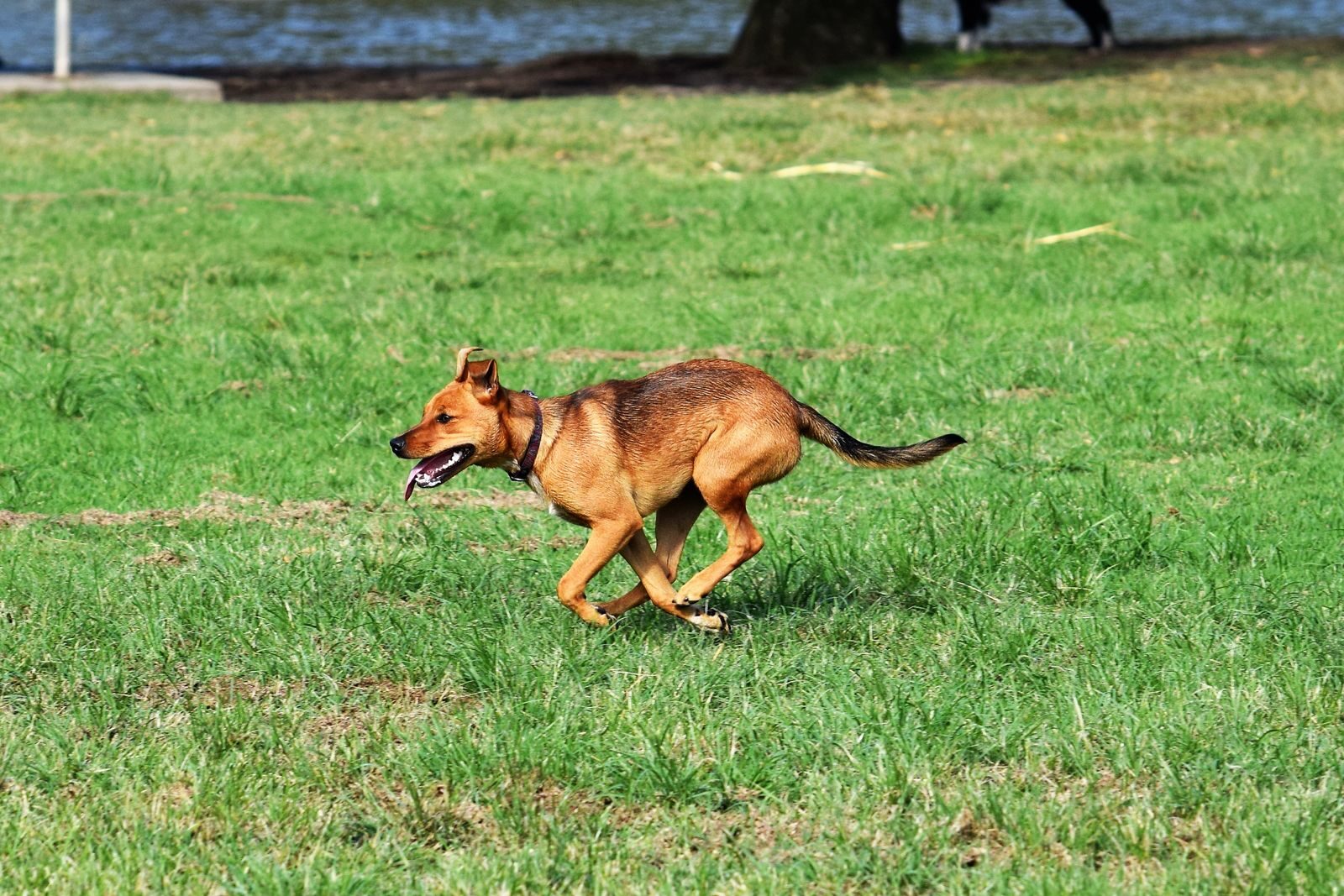
* Off-Leash Areas: Places like Salmon Creek Dog Beach (when appropriate for your dog) allow for more natural running and exploration.
* Running: Some dogs love to run alongside you. Start slowly and build up distance/pace.
* Playdates: Socialization through play is excellent exercise and bonding.
* Hiking: Explore Hamilton’s many trails, like those in the Royal Botanical Garden.
* Swimming: A great low-impact activity, ideal for hot summer days.
Mental Stimulation
Just as crucial as physical exercise:
* Training Sessions: Teaching new commands or tricks provides mental engagement.
* Puzzle Toys: Many stores carry interactive toys that challenge your dog’s mind.
* Obedience Classes: Excellent for both learning and socialization.
* Environmental Exploration: Letting your dog sniff and investigate (appropriately) during walks satisfies their natural curiosity.
How Much is Enough?
There’s no magic number, but here’s a general guideline based on the Hamilton climate:
Minimum Daily Requirements
Most dogs need at least one 30-minute walk daily, even if they seem energetic afterwards. However, this is often just the minimum.
Specific Recommendations by Dog
- Small Breeds (e.g., Poodles, Beagles, mixed small breeds): 30-60 minutes of combined activity and mental stimulation daily. This could be two 20-minute walks, some playtime, and puzzle toys.
- Medium Breeds (e.g., Labs, Boxers, Collies): 60-90 minutes or more daily. More brisk walks, potential for some off-leash running in safe areas, and playtime.
- Large Breeds (e.g., German Shepherds, Retrievers): Often require significant daily exercise, sometimes up to 2 hours, including vigorous walks, off-leash time, and activities like hiking or swimming.
Accounting for Hamilton’s Seasons
- Summer: More exercise can be tolerated, but prioritize hydration and avoid peak heat. Longer walks, swimming, or indoor playdates can help burn energy.
- Winter: Safety is paramount. Shorter walks, perhaps focusing on indoor training or puzzle toys if weather is extreme, are often sufficient. Remember, less is more in cold weather to prevent discomfort or health issues.
Beyond the Walk: Making Exercise Fun and Safe in Hamilton
Exercise shouldn’t be a chore. Making it enjoyable helps both you and your dog!
Explore Hamilton’s Parks
Hamilton boasts numerous great parks:
* Royal Botanical Garden: Offers varied terrain and beautiful scenery for strolls.
* Glen Eden Park: Flat paths ideal for walking.
* Salmon Creek Dog Beach: A fantastic off-leash area for swimming and running (check for posted rules).
* Waterfront Path: Great for walks with scenic views.
Prioritize Safety
- Muddy Paws: After walks in parks or on trails, especially if muddy, wipe your dog’s paws to remove potential toxins or parasites.
- Rabies Vaccinations: Ensure your dog’s vaccinations are up-to-date, especially before visiting areas like Salmon Creek.
- Leash Laws: Be aware of and respect local leash laws, particularly in certain areas or during certain activities.
- Keep Tabs on Time: Hamilton’s unpredictable weather can change quickly. Be prepared to cut short walks if conditions become unsafe.
Listening to Your Dog
The most important thing is to understand your individual dog. Pay attention to their body language:
* Too Little: If they seem restless, destructive, or overly energetic indoors, they might need more.
* Too Much: If they seem tired, sore, or have trouble recovering, they might be overexerted.
Finding the right balance ensures your Hamilton dog is happy, healthy, and well-adjusted. Remember, exercise tailored to your dog’s specific needs keeps them thriving right here in our city.