In this story
Essential Gear for Dog Hiking in Vancouver’s Great Outdoors
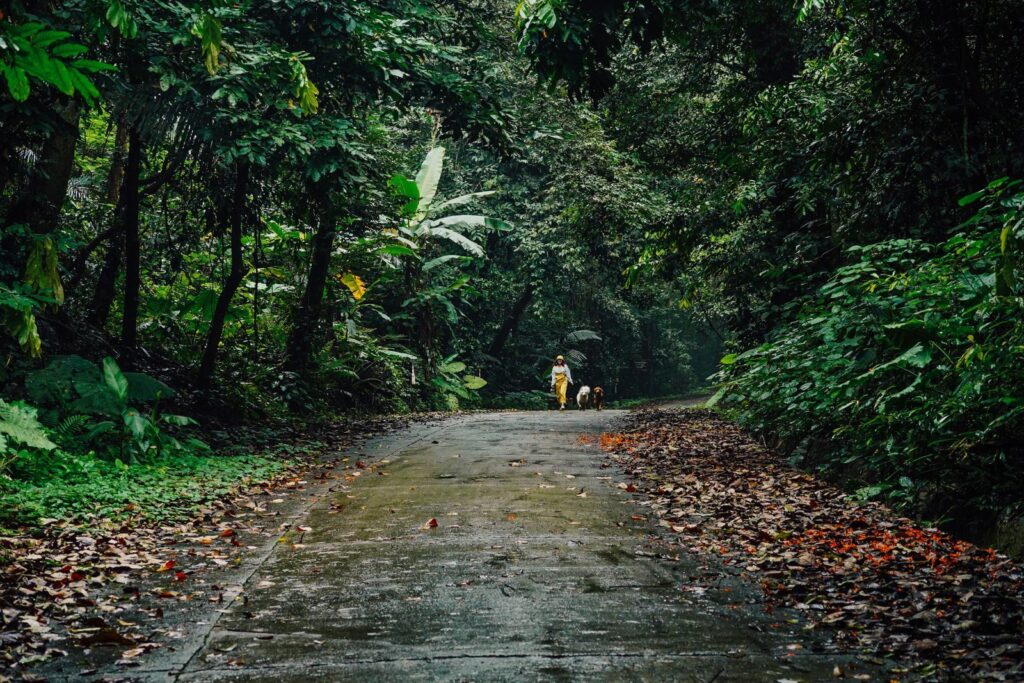
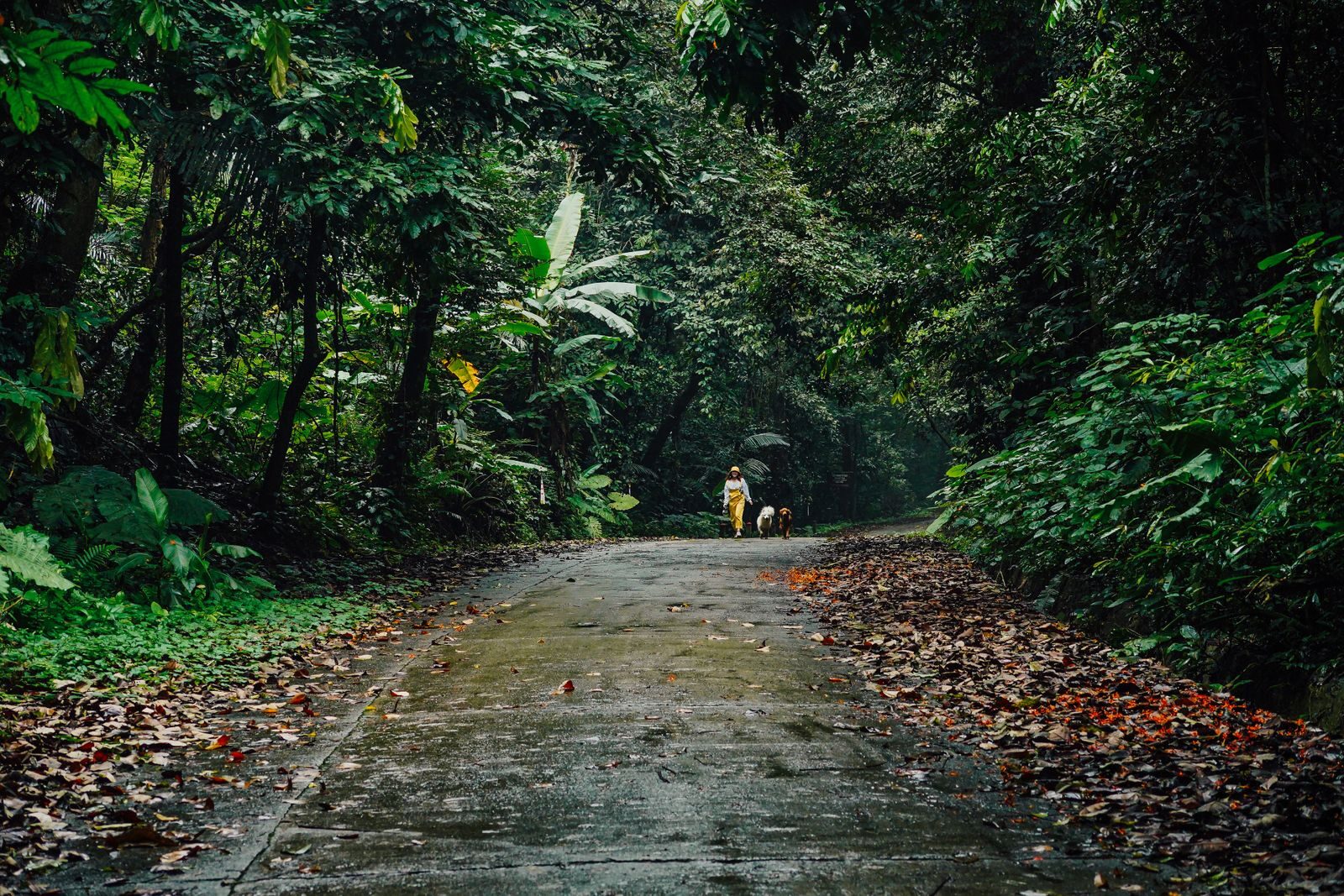
Vancouver’s lush landscapes and extensive trail networks offer endless opportunities for exploring with your canine companion. Whether you’re navigating the city’s parks or venturing into the surrounding mountains, proper preparation ensures both your safety and your dog’s enjoyment. This guide covers the essential gear and tips you need to make the most of your dog hiking adventures in Vancouver.
Beyond the Leash: Core Gear for Vancouver Hikes
While a leash is fundamental, true preparedness involves thoughtful equipment that addresses Vancouver’s unique outdoor environment:
1. Comfortable Leash & Collar/Harness
- Leash: A sturdy, comfortable leash (e.g., 4-6ft) is non-negotiable. Consider a harness for better control and comfort for your dog.
- Collar/Harness: Ensure your dog wears an up-to-date ID tag with your contact information.
**
- Identification & Registration
* Microchip: While a tag is visible, a microchip provides crucial backup identification.
* City Requirements:** Familiarize yourself with Vancouver’s leash laws and dog licensing requirements.
3. Waste Management Supplies
- Biodegradable Bags: Essential for responsible trail etiquette. Carry extras!
- Packaging: Consider small bags or a container to keep waste secure until you find a proper bin.
4. Water and Hydration Stations
- Water Bowls: Keep collapsible bowls handy for your dog.
- Water Supply: Carry enough water for your dog (aim for 1 cup per 5 pounds of body weight per hour). Hydration stations are common in many parks.
5. Food & Treats
- Portable Food: Pack small portions of your dog’s regular food.
- Treats: Useful for training, breaks, or if your dog gets overwhelmed.
6. First Aid Kit (for your dog)
- Essentials: Include bandages, antiseptic wipes, gauze, tweezers, and any medications your vet recommends. A small pet-specific first aid book is also helpful.
7. Weather-Appropriate Clothing
- Rain Gear: Vancouver’s weather is famously unpredictable. A waterproof jacket or booties can make a huge difference, especially in coastal areas.
- Insulation: Fleece jackets or sweaters keep dogs warm in cooler conditions.
- Sun Protection: In summer, dog-specific sunscreen and potentially a hat are recommended for exposed areas.
8. Boots
- Protection: Especially important for muddy, snowy, or potentially tick-infested trails. Protects paws from heat, chemicals, and debris.
- Vancouver Consideration: Particularly useful during rainy seasons or when visiting areas like Stanley Park.
9. Leash Management Tools
- Prong Leash: Can be useful for controlling pulling on difficult trails.
- Head Collar: Offers better control and reduces neck strain.
10. Identification for Your Dog
- Microchip: A small electronic device implanted under the skin that stores contact information.
- Tag: A physical tag around the neck with your name and phone number.
Dog Health and Safety Considerations for Vancouver Trails
1. Health Precautions
- Vaccinations: Ensure your dog is up-to-date on all recommended vaccinations.
- Flea & Tick Prevention: Essential year-round in Vancouver. Use vet-approved products.
- Heartworm: Preventative medication is crucial even in cooler climates.
2. Medications
- Prescription: Carry any necessary medications your vet has prescribed.
- Over-the-Counter: Antihistamine for mild allergic reactions (check with vet first).
3. Tick Awareness
- Coastal Areas: Ticks can be present, especially in bushier areas. Check your dog thoroughly after walks.
- Vancouver: While less common than in other parts of Canada, ticks can still be encountered.
4. Heat and Cold Safety
- Heat: Never leave your dog in a parked car. Provide shade and water during summer hikes. Some dogs can overheat even in Vancouver’s coastal climate.
- Cold: Ensure your dog is properly dressed for cooler temperatures. Breeds with short coats or thick fur may need extra layers.
5. Local Wildlife Awareness
- Black Bears: While sightings are less common in city parks, be aware and make noise to avoid surprising bears.
- Wildlife: Keep dogs on a leash to avoid disturbing deer, elk, or other wildlife.
Planning Your Vancouver Dog Hike
1. Know Your Dog’s Limits
- Fitness Level: Start with shorter, easier trails and gradually increase distance and elevation.
- Breed and Age: Consider your dog’s specific needs and capabilities.
2. Check the Weather Forecast
- Rain: Essential planning for waterproof gear and appropriate trails.
- Temperature: Adjust your dog’s clothing and activity level accordingly.
3. Choose the Right Trail
- Dog-Friendly Maps: Websites and apps listing dog-friendly trails.
- Trail Difficulty: Match the trail to your dog’s fitness level.
- Trail Conditions: Some trails may be muddy, snowy, or rocky.
4. Know Trail Rules
- Leash Laws: Most trails in Vancouver require dogs to be leashed off-leash areas. Check specific trail regulations.
- Permits: Some areas, like parts of Vancouver’s parks, may require permits.
5. Pack Out What You Pack In
- Waste: Bring bags for all waste, including your own.
- Trail Etiquette: Ask fellow hikers and respect their space.
Making the Most of Your Vancouver Dog Hike
1. Positive Reinforcement
- Encouragement: Use praise and treats to keep your dog happy and focused.
- Breaks: Allow rest periods, especially on longer hikes.
2. Environmental Respect
- Stay on Trails: Protecting ecosystems means sticking to designated paths.
- Support Local: Consider supporting local pet stores or makers when shopping for gear.
3. Know When to Turn Back
- Safety First: Prioritize your dog’s well-being. Turn back if conditions become unsafe.
Hiking with your dog in Vancouver’s beautiful parks and trails can be a rewarding experience. With the right preparation and awareness, you and your furry friend can enjoy countless adventures together.
Related posts:
 Vancouver Dog Owners: Keeping Your Pup’s Nails Trim and Healthy Safely
 A Gentle Guide to Switching Your Dog’s Food in Vancouver
 Decoding Your Vancouver Dog’s Body Language: A Guide for Owners
 Why Vancouver Doggy Mental Exercise is the Best Kind of Exercise
 Keep Your Tail Wags Safely: Dog Proofing Your Vancouver Home