In this story
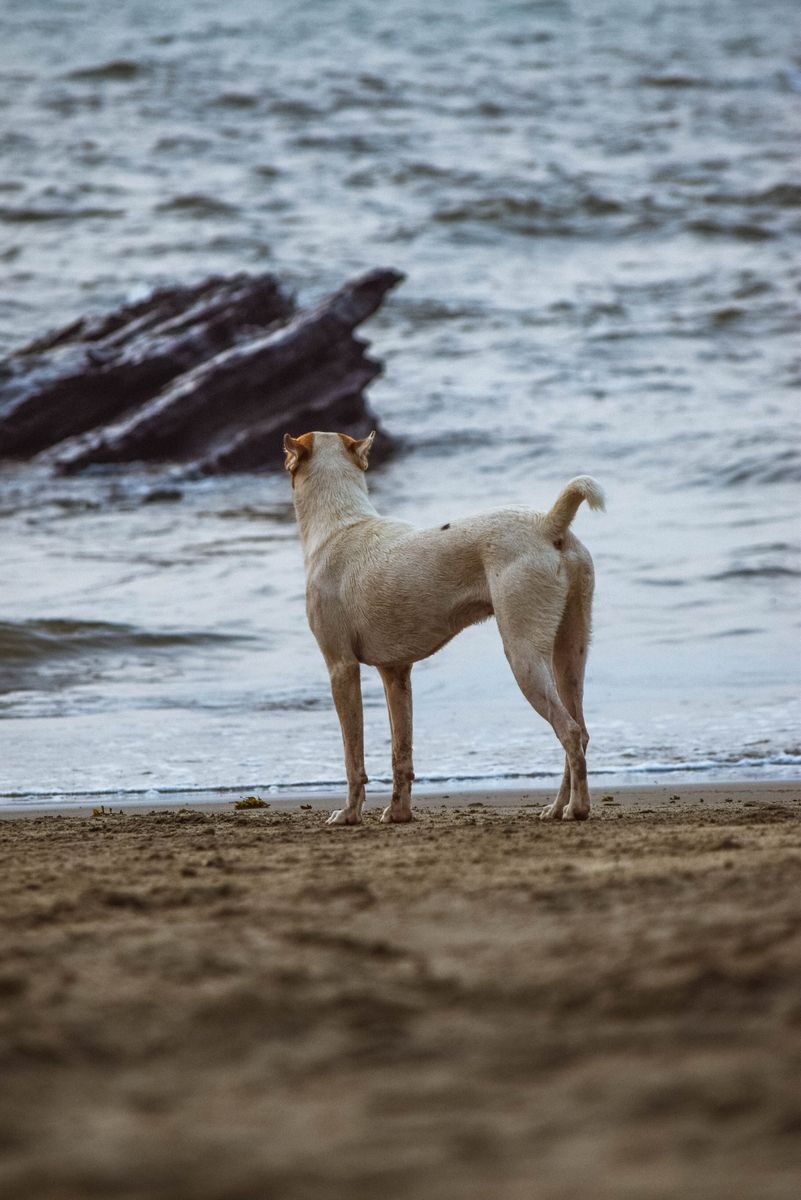
Understanding Your Vancouver Dog: The Language of Body Language
Living in Vancouver means sharing our lives with amazing dogs in beautiful parks like Stanley Park or along the waterfront. But sometimes, it’s tricky figuring out exactly what our furry friends are trying to communicate, especially when words aren’t involved. Understanding dog body language isn’t just about knowing if they’re happy or scared; it’s about building a stronger connection and ensuring their well-being in our diverse city environment.
Dog body language is a complex system of communication, relying heavily on posture, facial expressions, tail movements, ear positions, and vocalizations. Paying attention to these signals helps you respond appropriately to your dog’s needs, preventing misunderstandings that could lead to stress or unwanted behaviours in public spaces like Granville Island or Kitsilano Beach.
Why Vancouver Dog Body Language Matters
In our city’s unique urban and park settings, being able to read your dog is crucial:
- Ensuring Public Safety: Knowing if your dog is feeling tense or overstimulated can help prevent incidents at the dog park or on the Stanley Park seawall.
- Understanding Your Pet’s Needs: Recognizing signs of stress, fear, or discomfort helps you provide better care during walks through Gastown or Stanley Park.
- Improving Training: Many training cues are based on body language (like focusing or relaxing);
- Strengthening the Human-Canine Bond: Feeling connected to your dog’s emotional state deepens your relationship, whether you’re exploring Vancouver’s Stanley Park or relaxing at home.
The Foundation: What to Observe
Before diving into specific signs, remember that context is key. A relaxed dog might look slightly different than one that’s overstimulated but still happy. Always consider the situation and your individual dog’s baseline.
1. The Tail: The Ultimate Emotion Indicator
A dog’s tail tells a fascinating story. Here are common tail positions and what they might mean:
- Wagging Side to Side (Relaxed/Neutral): This is often seen when dogs are relaxed or simply observing their surroundings. It’s not necessarily happy, just alert.
- Wagging in Circles (Excited/Happy): A tail wagging in smooth, circular motions from side to side usually indicates genuine excitement or happiness. Watch for the whole body’s expression too.
- High, Fast Wagging (Excited but potentially stressed): A rapid, high-pitched wag, often accompanied by pinned ears or stiff body posture, can indicate arousal that crosses into stress or anxiety.
- Tucked Between Legs (Fear/Anxiety): When a dog feels scared, threatened, or submissive, they often tuck their tail between their legs.
- Low, Tucked Tail (Fear/Submission): A tail held low, possibly tucked tightly against the body, signals extreme fear, anxiety, or appeasement.
- High, Stiff Tail (Alert/Watchful): A tail held high and rigid, often with perked-up ears, indicates the dog is alert, possibly wary, or assessing a situation.
- Tucked Tail with Whimpering (Pain/Submission): Tail tucked tightly with a low growl or whine can indicate pain, fear, or a desire to appease a dominant dog or person.
2. The Ears: Listening to More Than Sound
A dog’s ears are constantly moving and revealing their emotional state:
- Forward, Alert: Ears pricked forward show curiosity, alertness, or interest in something specific.
- Forward, Tense/Rigidity: If the ears are forward and the body is stiff, the dog is likely tense, possibly scared or preparing to react.
- Back, Relaxed: Ears flopped back, relaxed, indicate a very calm, content dog.
- Back, Flattened (Fear/Anxiety): Ears laid flat against the head often accompany fear, anxiety, or feeling threatened.
- Whipped Sideways (Fear/Aggression): This can indicate fear-based aggression, where the dog feels cornered or threatened and is trying to appear larger.
3. The Mouth and Snout: Silent Storytellers
Look beyond barking:
- Relaxed Mouth: A slightly open mouth with relaxed lips, possibly a soft, quiet pant, indicates calmness or comfort.
- Licking Lips (Stress/Anxiety): Similar to humans, dogs often lick their lips when stressed, anxious, or trying to soothe themselves.
- Gentle Panting: A soft, controlled pant can be a sign of relaxation or contentment, especially after exercise or in cool weather.
- Play Bow: A dog lowering their front half while keeping their hindquarters up, often accompanied by a happy expression, is a classic invitation to play.
- Growling or Low Rumble: This is a clear warning sign. It indicates discomfort, potential fear, or a need for space.
- Baring Teeth (Aggression/Pain): Showing teeth, especially with lips pulled back, is a serious sign of fear, pain, or aggression.
- Closed Mouth / Stiff Jaw (Confidence/Aggression): A dog with a closed mouth and stiff jaw can be confidently in control or displaying dominance or aggression.
The Body and Movement: Carrying the Message
A dog’s posture and movement speak volumes:
- Relaxed Posture: Loose muscles, soft body, possibly a slight belly roll (play invitation), or slow blinking towards you.
- Stiff Body: Tense muscles, raised hackles, rigid stance indicate alertness, fear, anxiety, or arousal.
- Crouching/Low to the Ground: This can signal fear, anxiety, or a submissive appeasement posture.
- Play Stance (Front Low, Back High): Legs tucked under, body leaning forward slightly with a wagging tail – a sign of playful intent.
- Freezing (Holding Still): Dogs sometimes freeze when they’re highly aroused, conflicted, or trying to avoid detection.
- Avoiding Eye Contact: Often a sign of fear, anxiety, or submission.
Putting It All Together: A Practical Guide
- Observe the Whole Dog: Don’t focus on just one sign; consider the combination.
- Know Your Dog: Every dog has a unique baseline. What excites one might stress another.
- Context is Key: A growl at the vet might mean something different than a growl on the Stanley Park path.
- Respect Boundaries: If a dog seems stressed (pinned ears, tucked tail, lip licking), give them space.
- Positive Reinforcement: Reward calm, friendly body language to encourage positive interactions.
- Be Patient: Learning to read body language takes time and practice. Pay attention during everyday situations.
Understanding your Vancouver dog’s body language is a valuable skill that enhances your connection and helps ensure both your dog’s and others’ safety in our beautiful city. Start observing, ask questions when needed (like at your local SPCA or a small, ethical Vancouver trainer), and watch how your understanding deepens your relationship.
Further Resources (Vancouver Context): Many local resources, including small businesses like [mention type of business, e.g., independent trainers or vet offices] in Vancouver, offer workshops or consultations. Always prioritize finding professionals who use positive reinforcement methods.
Related posts:
 Unlock Your Dog’s World: Decoding Montreal Dog Body Language
 Decoding Your Dog: A Mississauga Guide to Canine Body Language
 How to Quiet Your Vancouver Dog’s Barking at Home
 Vancouver Dog Owners: Practical Tips to Stop Counter-Surfing
 Understanding Why Dogs Jump Up and Gentle Ways to Manage It in Vancouver