In this story
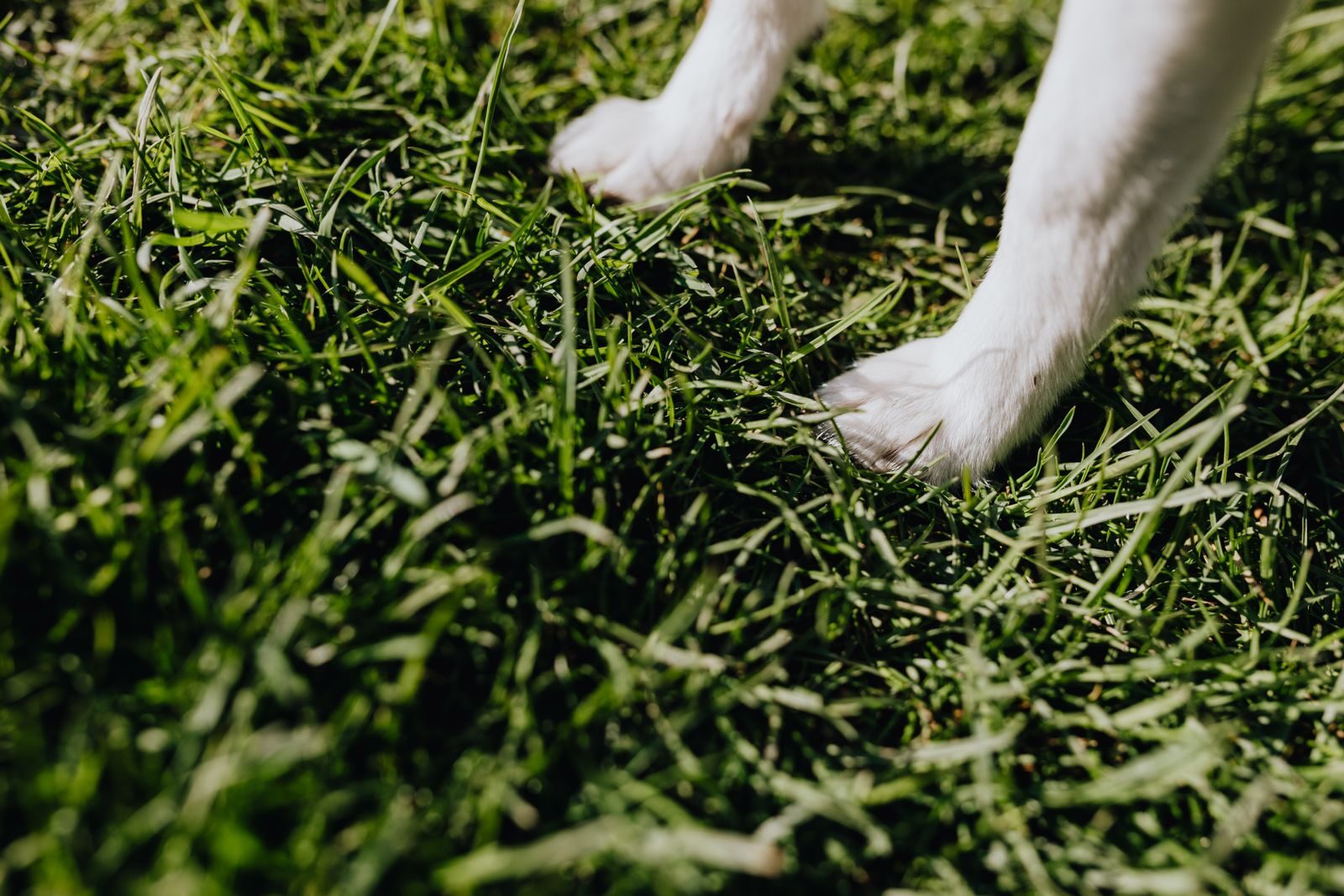
Keep Paws Coordinated: A Mississauga Guide to Safely Trimming Your Dog’s Paw Fur
As a dog owner in Mississauga, you’re probably all too familiar with the surprise of stepping outside to find your furry friend sporting a tiny snowball on their paw pad, or maybe dealing with summer pavement burns. While it might seem cute or amusing at first glance, allowing excessive fur (called “Dead Fur” or “Callus”) on your dog’s paws can lead to more than just a snowy surprise.
This build-up of fur, shed fur, dirt, and debris can actually cause discomfort, affect your dog’s ability to get a good grip, and even lead to infections or injuries. That’s where regular paw trims come into play. This guide will walk you through everything you need to know to safely trim your dog’s paw fur, keeping them comfortable and happy all year round, no matter the season.
Why Trimming Your Dog’s Paws is Important in Mississauga
Mississauga’s climate means you experience all four seasons quite distinctly. This variation makes paw care a year-round consideration:
- Winter Warmth & Safety: In the colder months, that layer of fur can trap snow and ice, making walking slippery and potentially uncomfortable. It can also insulate the paw pads too much, making them overly sensitive when they eventually have to touch warmer surfaces (like pavement) as the weather changes.
- Summer Comfort & Protection: While less obvious in summer, the fur can hold in heat and debris. Overgrown paw pads can be more susceptible to burns on hot pavement or splinters from rough ground.
- Health & Hygiene: Excess fur can mat, leading to dirt and bacteria getting trapped. This increases the risk of infections, cuts, or painful splinters. Regular trims help keep things clean and reduce the chance of these issues.
- Preventing Overgrowth & Deformities: Just like long, neglected nails can cause problems, an overgrown paw pad fur can potentially affect the shape and health of the pads themselves.
When Should You Trim Your Dog’s Paws?
Frequency depends heavily on your dog’s breed, activity level, and the season. Some dogs naturally shed more than others, and breeds with heavier coats (or paw-specific fur) might need more attention. As a general guideline:
- Spring/Fall: Consider trimming a bit more frequently during seasonal coat changes to manage shedding and prevent matting.
- Year-Round: Most dogs benefit from at least a quick paw check and trim every 4-6 weeks, or even monthly, especially if they spend a lot of time outdoors.
- After Baths or Baths: Sometimes, trimming right after a bath can help manage fur that tends to mat.
Signs it’s time for a trim:
* Fur is visibly long, matted, or filled with debris.
* You can see “Dead Fur” clearly obscuring the paw pads.
* Your dog shows reluctance or discomfort when their paws are touched.
* You notice ice balls forming easily or paw pads look excessively thick or calloused.
Essential Tools for the Job
You don’t need a fancy salon, just a few basic, safe tools. The key is to use gentle, non-blade trimmers designed for pets or dogs. Avoid regular human scissors or razors, as they can easily cut the skin.
- Pet-Specific Trimmer: This is the safest bet. Look for models with safety guards and maybe different blade lengths. Brands like Oster or Andis often make affordable pet grooming trimmers, available at local Mississauga pet supply stores or vets.
- Sharp Dog Clippers: If you don’t have a trimmer, small, sharp dog clippers (electric or manual) can work, but they require more dexterity. Ensure they are clean and sharp.
- Pet Wipes or Mild Soap & Water: For cleaning paws before and after trimming.
- Treats: Always have high-value treats ready to make the experience positive.
- Optional: A small bowl of warm water and a towel for soaking paws if needed.
Step-by-Step Guide to Safely Trimming Your Dog’s Paws
1. Prepare Your Dog and Workspace:
* Choose a time when your dog is relaxed. Maybe after they’ve finished their walk or before a meal.
* Gather all your tools.
* Have treats ready!
2. Calm Your Dog:
* Speak reassuringly and offer treats throughout the process.
* If your dog is particularly anxious, you might try a short game or distraction beforehand.
3. Clean the Paws (Optional but Recommended):
* You can gently wipe the paw pads with pet wipes. If needed, soak their paws in a small bowl of warm water for a minute or two, then dry thoroughly with a towel. This helps remove dirt and makes trimming easier.
4. Inspect and Trim:
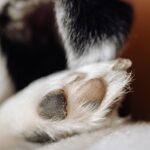
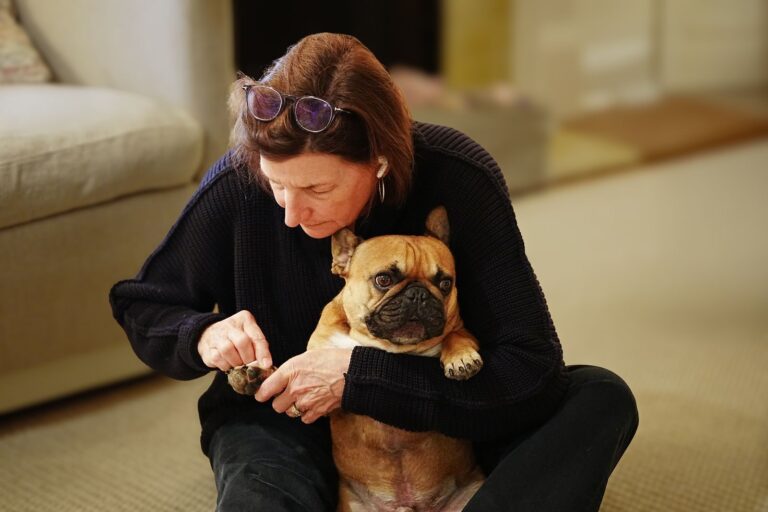
* Focus on the Dead Fur: Look for the thick, usually greyish fur that covers the pads. This is the main target. You don’t need to trim the fur between the toes excessively unless it’s getting long.
* Trim Small Sections: Use short, gentle strokes with your trimmer or clippers. Work on one paw at a time.
* Trim the Webbing: The fur between the toes can also get long. Carefully trim this as well, ensuring you don’t cut too close to the quick (the pinkish membrane inside the pad, similar to nails).
* Trim the Toe Tips: The very tip of the toe fur can become long. Trim this sparingly, as it provides some insulation.
* Work Slowly: Take breaks if needed. Reward often. Patience is key to a positive experience for both of you.
5. Check for Nails (While You’re There):
* While paws are exposed, quickly check your dog’s nail length. Trim them if they are long and causing discomfort or clicking on hard floors.
6. Reward and Repeat:
* Once you’ve trimmed all paws, give lots of praise and high-value treats.
* Make this a regular part of your dog care routine.
Common Mistakes to Avoid
- Using Sharp Human Razors: These can easily slip and cut the delicate skin.
- Trimming Too Closely: It’s easy to cut the quick or the skin if you’re not careful. Go for neat, clean edges, not bare skin unless necessary.
- Not Using Safety Guards: These are crucial on trimmers to prevent cutting too close. If your trimmer doesn’t have one, consider getting one.
- Forgetting the Webbing: Fur between the toes can hold debris and needs attention too.
- Not Handling It Gently: Squeezing paws or moving them roughly causes fear and makes the dog harder to handle. Gentle is always better.
- Trying to Trim Wet Paws: While dampening can help with visibility, soaking is generally unnecessary and can make fur harder to trim. Clean paws are usually fine.
When to Seek Professional Help
While home trimming is often manageable, there are times when you should consult a professional:
- Your dog has very thick fur or sensitive skin that makes home trimming difficult or risky.
- You’re unsure about the anatomy or how close to trim.
- You suspect the pads might be injured.
- Your dog is extremely anxious and cannot be handled safely at home.
Your local Mississauga vet or a professional groomer can safely trim your dog’s paws and provide expert advice.
Keeping Your Dog’s Paws Happy in Mississauga
Trimming your dog’s paw fur is a simple yet incredibly effective way to ensure their comfort, health, and safety throughout the Mississauga seasons. By incorporating this into your regular grooming routine, you’ll help prevent common issues, keep your walks pleasant for everyone, and show your furry friend some much-needed TLC.
Remember, a little preparation and patience go a long way. Happy trimming!