In this story
Why Trimming Your Dog’s Paws in Hamilton Matters
As a dog owner in Hamilton, you’re probably used to thinking about grooming fur on their head, belly, and tail. But just like the fur on the rest of their body, the hair between your dog’s toes needs attention too. Trimming your dog’s paw fur isn’t just about keeping them looking neat—it’s essential for their comfort and safety, especially given our unique seasonal weather.
Seasonal Considerations in Hamilton
Hamilton’s climate means your dog’s paws face different challenges throughout the year:
- Winter: Snow, ice, and the salty brine used on roads can accumulate between paws, forming painful ice balls. Long fur can get caught on ice and packed tightly with snow, making removal difficult.
- Spring/Summer: Overgrown paw pads can trap dirt, debris, sticks, and stones, potentially causing scratches, cuts, or infections. The longer fur can also insulate paws excessively when it’s hot, leading to burns on very hot pavement.
Ignoring paw maintenance can lead to uncomfortable walks, potential infections, or difficulty your dog experiences when out exploring Hamilton’s parks or trails.
Preparation: Setting Up for a Successful Trim
Before reaching for those scissors, take some time to prepare properly. A calm, well-lit environment is key to a stress-free experience for both you and your dog.
Gather Your Supplies
You don’t need much, but having the right tools makes the job easier and safer:
* Dog Nail Clippers: These work well for trimming the hair between the toes.
* Small Scissors: Sharp, small scissors (like nail clippers or even nail nippers, if small enough) can work too, but nail clippers are often preferred.
* Pet-Specific Grooming Gels or Wipes: These can help soothe and clean paws after trimming.
* Treats: Have plenty ready to reward calm behaviour.
* Cotton Balls or Cloths: For cleaning debris from paw pads and between toes.
Choosing the Right Time
The best time to trim your dog’s paws depends on their coat and the season:
* Year-Round: Regular checks (every few weeks) can catch overgrowth before it becomes problematic. Always trim after walks on potentially dirty or icy surfaces.
* Winter Focus: Trim more frequently during winter months to manage ice ball buildup.
* Summer Focus: Keep paws trimmed to prevent heat pad burns and debris trapping.
Getting Your Dog Comfortable
Introduce the tools gradually before you actually need to trim. Let your dog sniff and see the nail clippers or scissors. Associate them with positive experiences by gently touching their paws with the blunt end of a clipper or a soft cloth. Keep sessions short and end on a positive note with lots of praise and treats.
The Trimming Process: Step-by-Step Guide
Once you’re prepared and calm, you’re ready to tackle the trimming itself. Remember, you’re just removing the long hair between the pads and toes—not the paw pads themselves.
Step 1: Cleanse and Inspect
Start by cleaning your dog’s paws.
* Use a damp cloth or pet wipes to remove any visible dirt, mud, or debris.
* Examine their paws carefully. Look for:
* Ice balls (common in winter)
* Cuts, scrapes, or signs of injury
* Embedded debris like pebbles or glass
* Overgrown fur between the pads and on the trailing edge of the toes
Address any issues found before or during trimming. Remove ice balls gently with a damp cloth or cotton ball.
Step 2: Trim the Trailing Edge
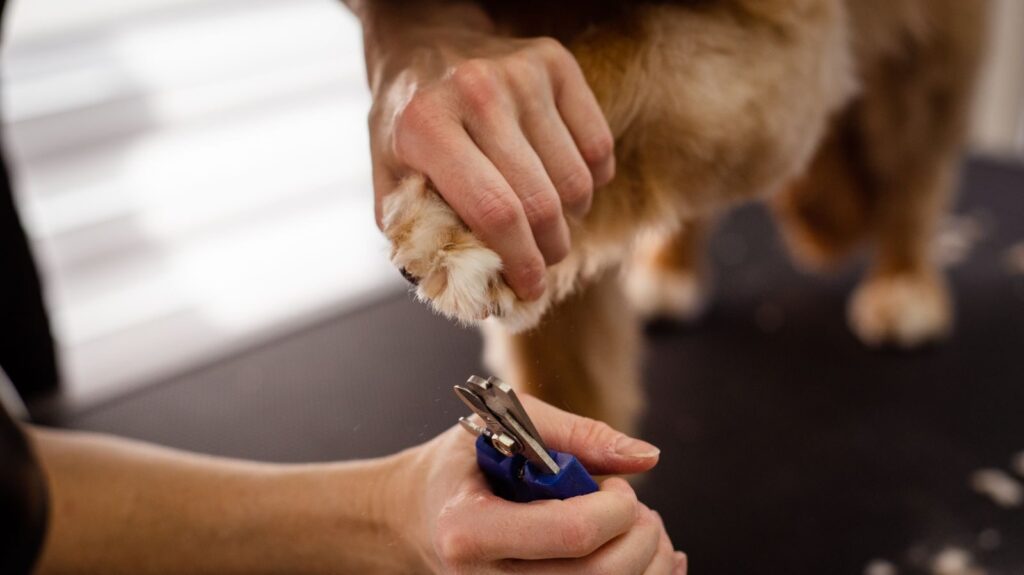
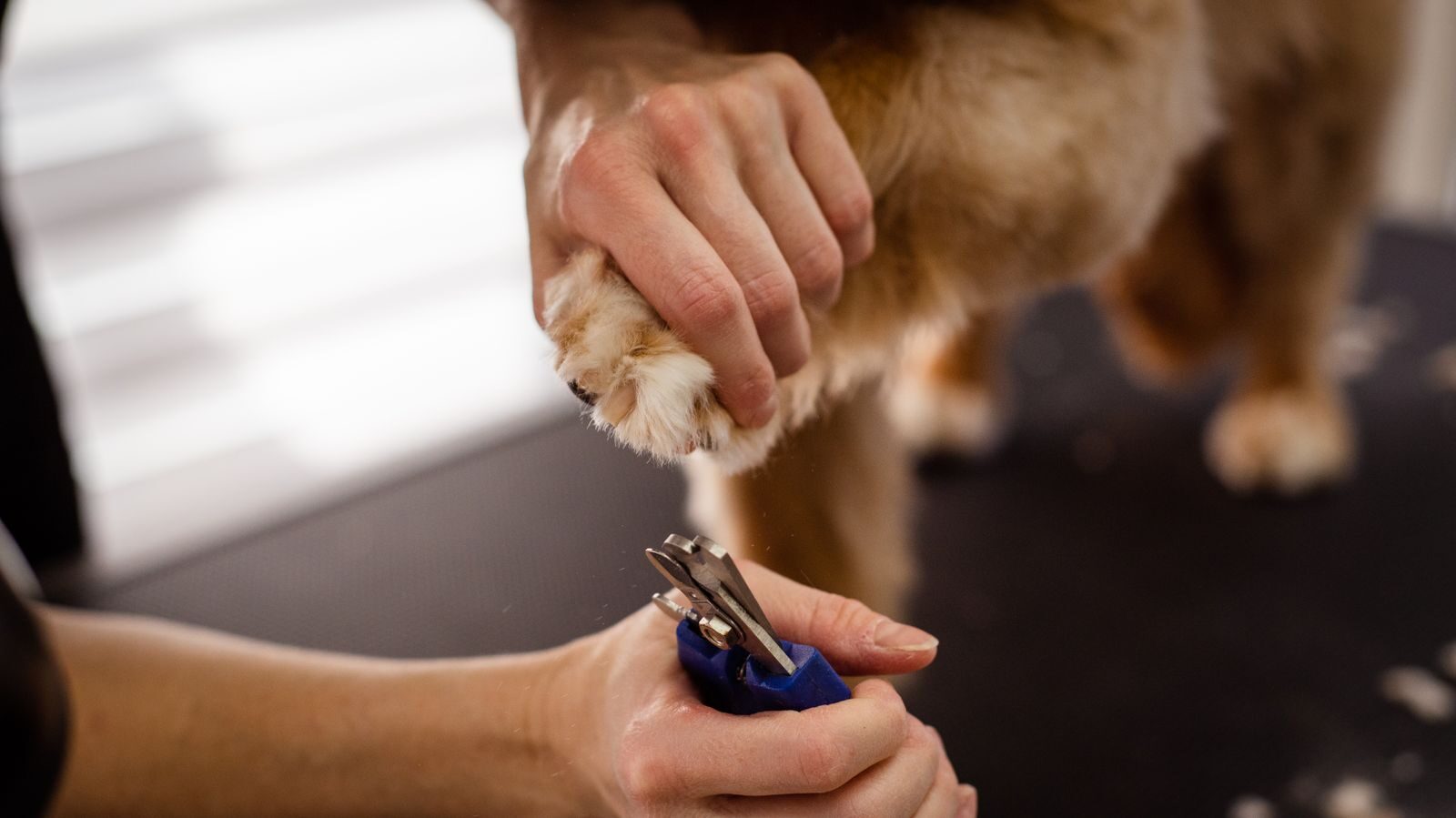
This is the most common reason for paw trims. The hair that grows along the outside edge of the toes (the “trailing edge”) can get caught on ice, furniture, or get excessively long.
* Hold your dog’s paw gently but firmly. Ensure they feel secure.
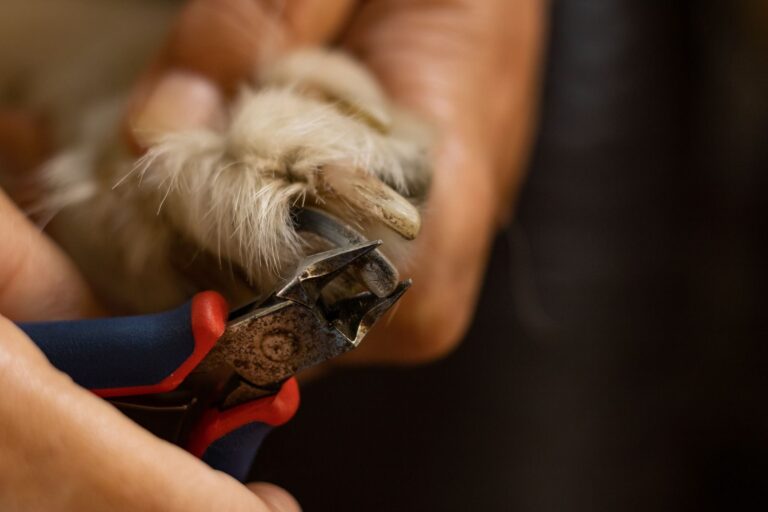
* Use your nail clippers (or small scissors) to make very small, gentle snips along the outside edge of each toe, just like you would trim a fingertip. Only remove the very tips of the long hairs.
* Be extremely careful not to cut too close to the quick (the pinkish, blood vessel-rich area in the pad). Most paws are light brown or black, making the quick harder to see, but it’s still possible to cut it.
* Work slowly and systematically, moving from one paw to the next. Reward calmness frequently.
Step 3: Trim Between the Pads (Optional)
Not all dogs need hair trimmed between the pads. Some breeds have naturally smooth pads, and too much trimming can remove protective fur that helps regulate temperature.
* If you decide to trim between the pads, do so very carefully.
* Use extremely short, gentle snips to remove just the longest, wispy hairs.
* Stop if you see any sign of bleeding from the pad itself (this is likely the quick).
* Caution: Some groomers advise against routinely trimming the sole of the foot, as it provides some natural protection and insulation. Assess your dog’s individual needs—if their pads are long but otherwise healthy, trimming the trailing edge might be sufficient.
Step 4: Check for the Quick
Even with black pads, the quick can be visible in puppies or in the tips of the toes. Always trim just the tip of the fur, rather than cutting a straight line, to minimize the risk of accidentally cutting the quick.
* If you’re unsure, err on the side of caution and leave a little longer fur.
* The amount of quick visible varies with the dog’s age and breed. Younger dogs have shorter quicks, which lengthen as they mature.
Step 5: Clean Up and Reward
After trimming all paws:
* Wipe down the paws again with a damp cloth or pet wipe to remove any stray debris.
* Apply a pet-safe grooming gel or offer a lickable paw cleaner if needed.
* Give your dog lots of praise and treats for their cooperation.
Post-Trimming Care and Safety Tips
Trimming is just one part of paw care. Here’s how to keep your Hamilton dog’s paws healthy:
Protect Paws in Extreme Conditions
- Winter: After walks on icy or salted roads, wipe your dog’s paws, belly, and face with a damp cloth to remove corrosive substances and debris. Booties can be a great option during harsh weather.
- Summer: Avoid walking dogs on excessively hot pavement during peak hours. Check paw temperature on surfaces before letting them walk.
Regular Checks
Even if you don’t trim often, make it a habit to regularly inspect your dog’s paws. Look for:
* Redness or swelling
* Cuts, scrapes, blisters
* Signs of infection (pus, excessive redness)
* Embedded foreign objects
* Overgrowth
When to Seek Veterinary Help
If you notice any of the following, consult your vet:
* Bleeding that doesn’t stop after a few seconds.
* Signs of infection (redness, swelling, pus).
* Severe cuts or deep wounds.
* Persistent limping or reluctance to walk.
Keeping Tools Sharp and Clean
Your nail clippers or scissors need regular sharpening and cleaning to work effectively and safely. A dull tool can crush fur, causing more pain and potential bleeding.
Final Thoughts: Paw Care for a Happy Hamilton Dog
Trimming your dog’s paw fur is a simple yet incredibly important part of responsible pet ownership in Hamilton. By incorporating regular checks and gentle trims into your routine, you’re helping to prevent discomfort, potential injuries, and infections. Remember to always prioritize your dog’s comfort, move slowly, and never rush the process. If you ever have concerns about your dog’s paws or are unsure about trimming, don’t hesitate to consult your veterinarian—they can offer personalized advice and help rule out any underlying issues.
With these steps, you and your Hamilton companion can enjoy comfortable, confident walks all year long!