In this story
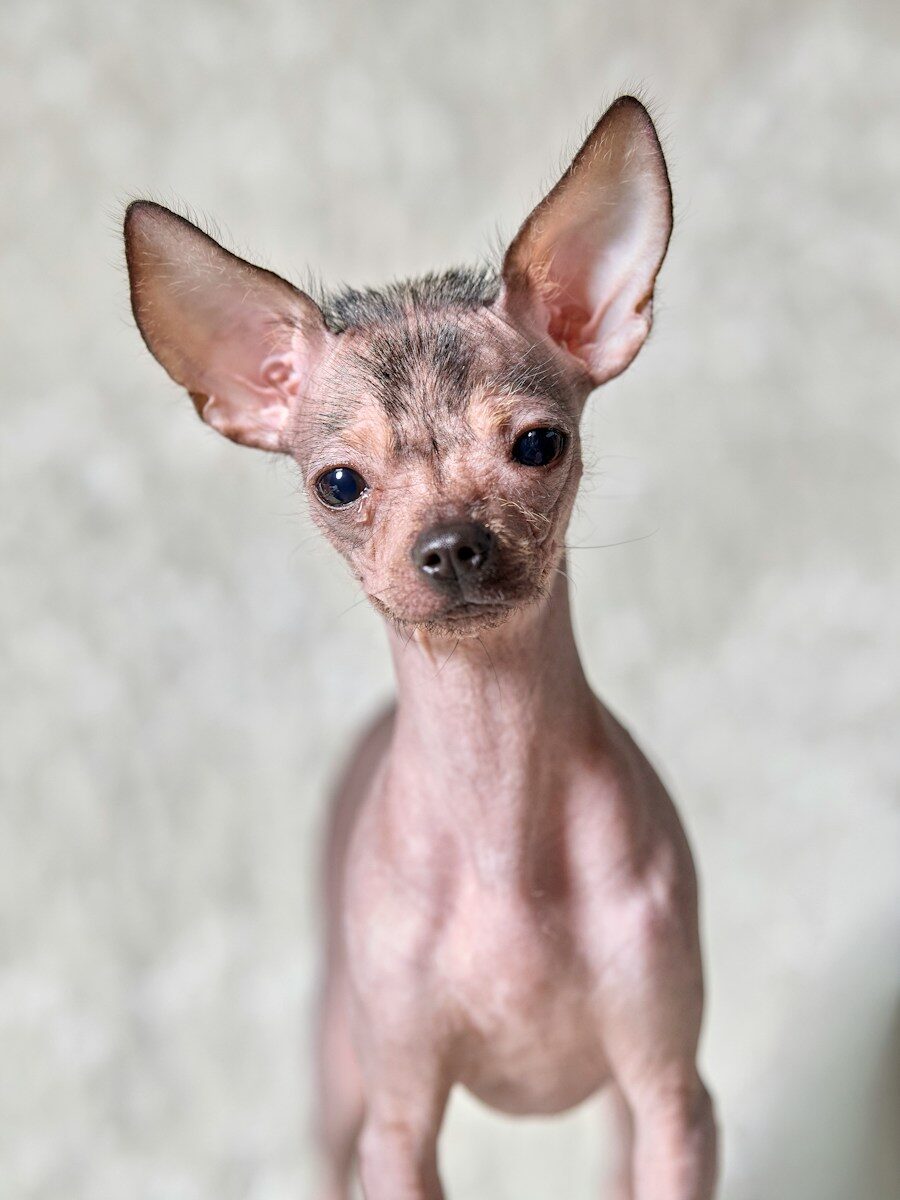
Why Winnipeg Dog Ear Care Matters
As a proud Winnipegger, you know that our winters can be harsh, and so can the bacteria and yeast that thrive in damp environments. Keeping your dog’s ears clean isn’t just about hygiene—it’s about preventing infections that can strike when your pup’s ear canals get damp or dirty, especially after playing in the Red River or melting snow.
Dogs with floppy ears, like Basset Hounds or Cocker Spaniels, tend to trap moisture more easily, while breeds with prickly ears, like German Shepherds, might be more prone to irritation. Regardless of breed, regular Winnipeg weather means more chances for dirt, snow, and mud to get lodged in those sensitive ear areas.
Understanding Your Dog’s Ear Structure
Before diving into cleaning, it’s helpful to know a bit about canine ear anatomy. Dogs have three ear canals: the external ear canal, the vertical ear canal (more common in breeds with erect ears), and the horizontal ear canal (more common in breeds with floppy ears).
Each has different cleaning requirements. The outer ear can usually be wiped down, but the inner canals should only be cleaned under veterinary guidance to avoid injury. Never insert cotton swabs past the first bend of the ear—doing so can push wax deeper or damage delicate structures.
How Often Should You Clean Your Dog’s Ears?
This depends on your dog’s breed, activity level, and any existing ear issues:
Low-Maintenance Breeds (e.g., Shih Tzus, Poodles)
- Check weekly
- Clean as needed if there’s visible dirt or odor
Prone to Issues (e.g., Cocker Spaniels, Vizslas)
- Check twice weekly
- Clean every 1-2 weeks, or as directed by your vet
High-Risk Breeds (e.g., Basset Hounds, Retrievers)
- Check twice weekly
- Clean weekly during seasons with more moisture (spring/fall)
Essential Supplies for Winnipeg Ear Cleaning
Keep these items on hand for effective, at-home cleaning:
- Ear Cleaner: Choose a vet-recommended cleaner, avoiding harsh solutions.
- Cotton Balls or Wipes: Use plain, non-scented options to prevent irritation.
- Treats: Keep your dog calm and reward good behaviour.
- Gentle Towel: For drying if needed.
- Optional: Cotton Swabs: Only for gently cleaning the outer ear if recommended by your vet.
Step-by-Step Guide to Cleaning Your Dog’s Ears
1. Prepare for Success
- Find a quiet moment—this helps keep your dog calm.
- Gather all supplies.
- If your dog is anxious, you might use positive reinforcement or enlist help.
2. Check for Issues
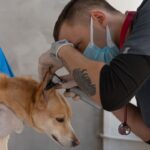
- Gently lift your dog’s ear flap.
- Look for redness, swelling, discharge, or odour.
- If you notice anything concerning, consult your Winnipeg vet before cleaning.
3. Apply Cleaning Solution
- Squeeze the recommended amount onto the outer ear canal.
- Massage the base of the ear for 10-15 seconds. This helps the solution work its magic.
4. Wipe Away Debris
- Use a fresh cotton ball or wipe to gently remove debris.
- Don’t reuse cotton balls between ears to avoid cross-contamination.
5. Dry Thoroughly
- Use a clean, dry cotton ball or towel to pat the outer ear dry.
- Ensure the ear flap is completely dry before letting your dog outdoors, especially after Winnipeg’s damp weather.
6. Reward and Repeat
- Offer a treat to make ear cleaning a positive experience.
- Repeat on the other ear if needed.
Winnipeg-Specific Tips for Dog Ear Care
Our unique climate means extra attention during certain seasons:
* Spring: Watch for pollen allergies that can cause ear infections.
* Winter: Prevent moisture from melting snow clinging to your dog’s fur.
* After Playdates: Check for dirt and potential infections in parks like Kinsmen Park or Stanley Park.
At-Home Monitoring
Regular checks are crucial:
* Lift the ears gently once or twice weekly.
* Look for:
* Redness or swelling
* Unpleasant odour
* Excessive wax or discharge
* Signs of pain (whining, head shaking)
When to See the Vet
Schedule an appointment if your dog shows any of these signs:
* Persistent bad smell
* Redness or swelling
* Discharge (especially yellow, green, or bloody)
* Pain when touching the ears
* Frequent head shaking or scratching
Your Winnipeg vet can diagnose infections and recommend appropriate treatment.
Conclusion: Happy Ears, Happy Winnipeg Dog
Proper ear care is a small but vital part of your dog’s overall health routine. By making cleaning a regular habit, you’re helping protect your furry friend from infections that can be especially common in our unique Canadian climate.
Remember, consistency is key. With a gentle touch and regular attention, you’ll help ensure your Winnipeg dog stays comfortable and healthy all season long.