In this story
Understanding Your Hamilton Dog’s Vet Schedule
As a dog owner in Hamilton, ensuring your best friend receives the best possible care is a top priority. Regular veterinary visits are a cornerstone of responsible pet ownership, playing a crucial role in maintaining your dog’s health and happiness. But how often should you actually schedule these important appointments? While there’s no one-size-fits-all answer, understanding the general guidelines and factors influencing them will help you establish a solid schedule for your unique canine companion.
General Guidelines: The ‘When’ and ‘Why’
For most healthy adult dogs, a general recommendation from veterinary professionals is to visit the vet at least once a year for a comprehensive check-up. This annual wellness visit serves as a crucial health assessment, allowing your veterinarian to monitor your dog’s overall condition, review vaccinations, and discuss preventative care.
However, think of it more like an insurance check-up for your pet. These regular visits help catch potential health issues early, before they become serious or expensive problems. Early detection is key to successful treatment and can significantly improve outcomes if any health concerns do arise.
Tailoring the Schedule: Factors to Consider
While the annual visit is a good baseline, the frequency for your Hamilton dog might need to be adjusted based on several factors:
1. Age: Puppies, Adults, and Seniors
- Puppies: Puppies have special needs. Their first vet visit often happens very early, around 6-8 weeks, to start vaccinations. There are usually several visits throughout the first year to complete vaccinations and perform initial health checks. Your vet will provide a specific schedule.
- Adult Dogs (1-7 years): Most healthy adult dogs benefit from annual check-ups. This is when core vaccinations are typically boosted, parasite control is reviewed, and a baseline of health markers (like thyroid levels) might be established.
- Senior Dogs (7+ years): Many experts consider dogs over 7 years old to be in their senior years. Their metabolism slows, organ function may change, and they’re more prone to certain health conditions. Senior dogs often require more frequent check-ups, typically twice a year (every 6 months).
2. Breed and Health History
Certain breeds are predisposed to specific health issues (e.g., certain heart conditions, joint problems, or skin issues). If your dog has a history of health problems, or if they are a breed known for particular conditions, your veterinarian might recommend more frequent monitoring.
3. Lifestyle and Risk Factors
- Diet and Weight: If your dog is prone to weight issues or has specific dietary needs, regular check-ups help monitor their weight and adjust food recommendations.
- Activity Level: Highly active dogs or those involved in shows or competitions might need more routine evaluations.
- Environment: Dogs exposed to high parasite risk (like near Hamilton’s parks or waterways) might need more frequent parasite checks or treatments.
- Behaviour Changes: If you notice subtle changes in your dog’s behaviour, appetite, or energy levels, these could be signs of an underlying health issue. Discussing these changes at every visit (or even prompting your vet if you think it’s urgent) is important.
4. Existing Health Conditions
If your dog has been diagnosed with a chronic condition (like diabetes, kidney disease, or heart problems), managing it effectively often requires more frequent veterinary visits. These check-ins allow your vet to monitor the condition, adjust medications, and ensure your dog is as comfortable as possible.
5. Spay/Neuter Status
While not a direct factor for visit frequency, ensuring your dog is spayed or neutered (ideally before their first heat cycle) is an important part of preventative care and can influence certain health screenings later on.
What Happens During a Typical Vet Visit
Regardless of the frequency, a veterinary check-up in Hamilton involves several key components designed to assess your dog’s health:
Wellness Exam
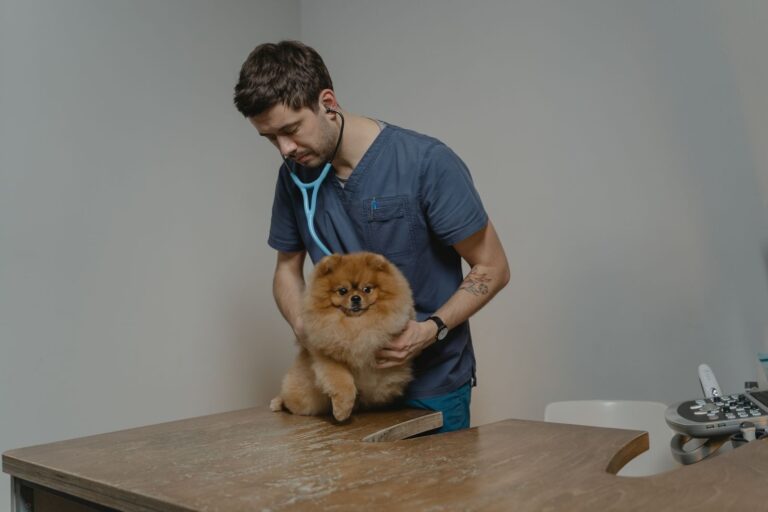
This is the cornerstone of the visit. The vet will listen to your dog’s heart and lungs, check their eyes, ears, mouth, skin, coat, and lymph nodes. They’ll assess their weight and body condition.
Vaccinations
Your vet will review your dog’s vaccination records and administer any necessary boosters according to the Ontario Canine Health Strategy guidelines.
Parasite Prevention & Control
This includes discussing and updating flea and tick preventatives, as well as reviewing and administering heartworm prevention. Hamilton’s climate and environment mean year-round parasite awareness is important.
Dental Check-up
Good dental health is vital. The vet will examine your dog’s mouth for signs of tartar, gingivitis, or other dental issues. Professional cleaning is often recommended but isn’t always part of the routine wellness visit unless specific problems are found.
Blood Tests and Other Screenings
Depending on your dog’s age, breed, health history, or the veterinarian’s recommendation, blood tests (like a complete blood count or biochemistry profile) might be suggested. These can help detect underlying health issues before clinical signs appear.
What if You Notice Something’s Wrong?
If you observe concerning symptoms between scheduled check-ups (e.g., lethargy, loss of appetite, vomiting, unusual lumps, difficulty breathing, etc.), don’t wait for the next scheduled appointment. Hamilton dog owners should trust their instincts. Schedule a wellness visit, but if the issue seems serious, don’t hesitate to call your vet for advice. Many clinics can see dogs urgently if needed, so always ask!
Establishing Your Dog’s Schedule
The best approach is to work closely with your Hamilton veterinarian. Discuss your dog’s individual needs, lifestyle, and any concerns you have. They will help you create a tailored schedule that keeps your dog healthy and happy throughout the Blue Hills and beyond.
Conclusion: Consistency is Key
Regular veterinary visits aren’t just about addressing problems; they’re about proactive health management. By establishing and sticking to a consistent vet schedule appropriate for your Hamilton dog’s needs, you’re investing in their long-term health and ensuring they live a longer, more comfortable life. Don’t hesitate to ask your veterinarian in Hamilton for guidance on creating the perfect wellness plan for your furry family member.