In this story
Introduction: Prioritizing Your Brampton Dog’s Health
As a dog owner in Brampton, ensuring your furry companion receives the best care is paramount. Regular veterinary visits aren’t just about addressing problems; they’re about proactive health management. Think of these visits as part of your dog’s wellness routine, similar to regular check-ups for yourself or your child. Understanding how often your Brampton dog should visit the vet can help prevent serious health issues and keep them happy, healthy, and wagging their tail in your city.
While it might seem like a simple question, the answer isn’t always straightforward. The ideal frequency depends on several factors unique to your dog and their lifestyle in Brampton. This guide will break down the core recommendations, the variables that influence them, and what to look out for between visits.
The Core Recommendation: Young, Healthy Dogs
For most healthy adult dogs (typically 1-5 years old), the standard recommendation from veterinary professionals across Canada, including Brampton, is to visit the vet for a wellness check-up at least once a year. These annual check-ups are crucial for maintaining your dog’s health and catching any potential issues early.
Why Annual Visits?
* Comprehensive Health Assessment: A yearly visit allows the vet to perform thorough physical examinations, checking everything from dental health to heart and lung function.
* Vaccinations: Keeping vaccinations up-to-date is vital for preventing serious and often fatal diseases. Annual visits are the standard way to ensure your dog’s shots are current.
* Parasite Prevention: Regular check-ups help manage flea, tick, and worm control, which are particularly important considerations in Brampton’s environment.
* Early Detection: Many health issues, like kidney disease or certain cancers, show subtle signs in their early stages. Annual check-ups increase the chances of catching these before they become serious.
Factors Influencing Vet Visit Frequency in Brampton
While one annual visit is a good baseline, several factors specific to your dog and their life in Brampton may necessitate more frequent visits:
1. Age: The Senior Dog Factor
- When does a dog become senior? Generally, dogs are considered senior around age 7, similar to humans. However, larger breeds often show signs of aging earlier.
- Increased Monitoring: Senior dogs (7+ years) often benefit from more frequent check-ups, typically twice a year (every 6 months). This allows vets to monitor age-related changes, such’t know what to look for, and catch potential health declines earlier.
- Brampton’s Environment: Senior dogs might be more susceptible to weather extremes (hot summer days, cold winters) or local environmental factors, making regular vet visits even more crucial.
2. Breed and Genetics
- Breed-Specific Predispositions: Certain breeds are prone to specific health issues (e.g., Labrador Retrievers might be prone to certain eye problems, while Boxers are more susceptible to heart conditions). Knowing your dog’s breed history can help inform your vet and potentially warrant more frequent monitoring.
- Genetic Factors: Some health conditions have a genetic component that might require earlier or more frequent screening.
3. Health Status and Medical History
- Existing Conditions: Dogs with pre-existing health conditions (diabetes, arthritis, kidney disease, etc.) often need more frequent vet visits (e.g., every 3-4 months) to manage their condition and adjust treatments.
- Medications: Dogs on long-term medication (like certain heart medications or insulin) typically require more frequent check-ups to monitor side effects and effectiveness.
- History of Serious Illness: A dog that has had a serious illness in the past may need more vigilant monitoring.
4. Life Stage: Puppies and Senior Dogs
- Puppyhood: Puppies require more frequent vet visits, especially during the first year. Typically, these visits occur every few weeks for vaccinations and parasite prevention starting at 6-8 weeks of age. Your Brampton vet will provide a specific schedule based on your puppy’s breed and needs.
- Transitioning Ages: The period around 1 year and 7 years often requires increased attention from your vet.
5. Changes in Behaviour or Health
- Signs to Watch For: If your dog shows any changes in behaviour, appetite, thirst, energy levels, or physical appearance, it’s wise to schedule a vet visit sooner rather than later. Symptoms like lethargy, vomiting, diarrhea, excessive thirst, weight changes, coughing, difficulty breathing, or changes in gum colour can all indicate underlying health problems.
- Brampton Living: Consider if these changes could be related to stress in your home environment, but don’t delay vet care just because it’s inconvenient – your dog’s health comes first.
What Happens During a Typical Vet Visit
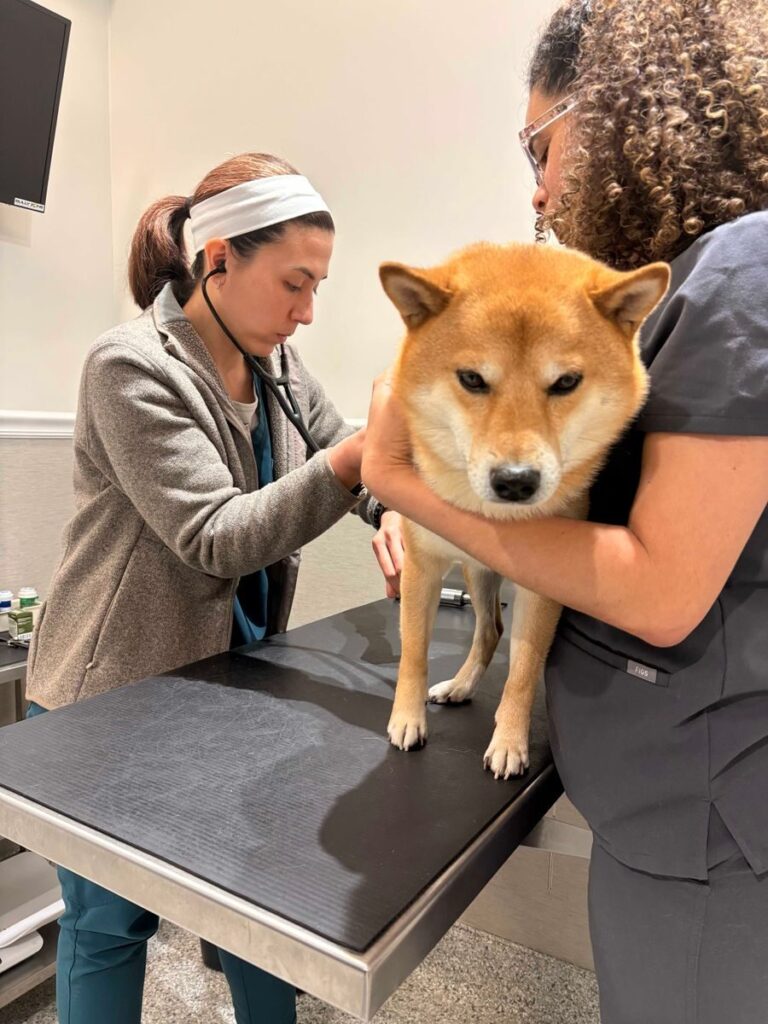
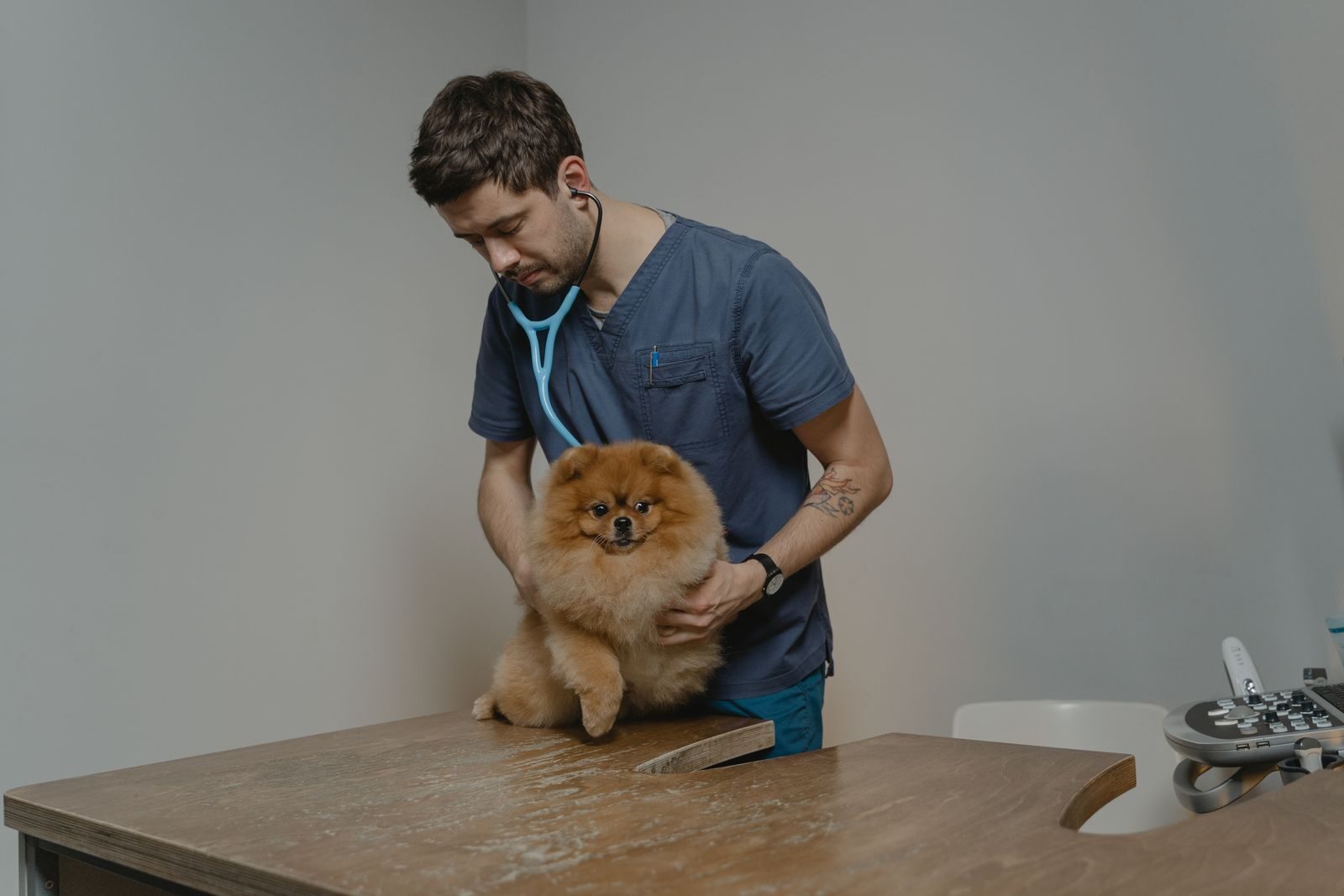
Understanding the process helps emphasize the value of regular check-ups. While every vet practice varies, a typical wellness exam usually includes:
- Physical Examination: The vet will check your dog’s weight, temperature, eyes, ears, nose, mouth, heart, lungs, abdomen, skin, and lymph nodes.
- Vaccinations: Ensuring all core vaccines are up-to-date.
- Parasite Control: Discussing flea, tick, and worm prevention strategies.
- Dental Assessment: Checking for signs of dental disease, which is extremely common and linked to serious health issues.
- Discussion of Diet and Lifestyle: Talking about your dog’s food, exercise, and overall well-being.
- Health Screenings: Depending on age and breed, the vet might recommend blood tests, urine checks, or other screenings.
Recognizing When to Visit the Vet More Urgently
Even with a regular schedule, knowing when to seek veterinary care urgently is vital. These signs require immediate attention, not just the annual check-up:
- Severe Pain: Whining, whimpering, guarding a body part.
- Injury or Trauma: Wounds, broken bones, broken teeth.
- Sudden Illness: Vomiting, diarrhea (especially bloody), lethargy, loss of appetite.
- Difficulty Breathing: Panting, coughing, blue gums.
- **Seizures or Sudden Neurological Changes.
- Signs of Distress: Extreme fear, aggression, or changes in temperament.
If your dog exhibits any of these symptoms, contact an emergency veterinary clinic in Brampton immediately. Don’t wait for their next scheduled appointment.
Brampton-Specific Considerations
While general veterinary advice applies city-wide, being aware of Brampton’s unique aspects can help:
- Local Climate: Brampton’s four seasons mean pets need care tailored to weather extremes. Ensure your dog’s annual check-up includes a discussion about winter coat condition and heat exhaustion risks.
- Public Spaces: While enjoying dog parks and Brampton’s green spaces, be mindful of potential hazards. Regular check-ups can help identify if your dog has ingested something harmful during walks.
- Community Vets: Brampton has several reputable veterinary clinics serving the community. Your vet is your best resource for breed-specific concerns or nutritional advice tailored to local conditions.
Conclusion: A Proactive Approach to Brampton Dog Health
There’s no one-size-fits-all answer to how often your Brampton dog should visit the vet, but establishing a schedule based on their individual needs is key. Start with annual wellness checks for healthy adults, increase frequency for seniors and those with health issues, and always trust your instincts. If you notice something off, don’t hesitate to book an appointment. By prioritizing regular veterinary care, you’re ensuring your best friend stays healthy and enjoys all the great activities Brampton has to offer for years to come. Your commitment to their health is the best way to ensure they wag their tail happily in your city.