In this story
Long Car Rides for Dogs: A Safer Journey Across Ottawa
Long drives can be stressful for both you and your furry companion, but with careful preparation and the right approach, those road trips across the Ottawa region can be safe and even enjoyable for your dog. Whether you’re heading to Algonquin Park, exploring Gatineau, or travelling to Ottawa’s airports, prioritizing your dog’s well-being during car travel is essential.
This guide offers practical advice to help ensure your dog’s safety, comfort, and behaviour during extended journeys on Ottawa’s highways and back roads.
The Importance of Preparation
Thorough preparation is the cornerstone of a successful long car ride for your dog. Don’t wait until the last minute to pack or adjust to the car environment.
- Acclimatize to the Carrier: Introduce your dog to their carrier well before a trip. Let them explore it with toys and treats. Make the carrier a positive space. Practice short trips in the car with the carrier door open first.
- Check for Car Sickness: If your dog suffers from motion sickness, start treatment well in advance. Consult your Ottawa veterinarian for advice on appropriate remedies (many are Canada-made and available through vets). Sometimes, gradual exposure reduces anxiety.
- Essential Documents: Ensure you have your dog’s microchip information ready, and carry their vaccination records and a copy of their health certificate if required for travel (check Transport Canada guidelines).
- Schedule and Packing: Plan your route, breaks, and arrival time. Pack a small bag with essentials: food, water, bowls, leash, waste bags, a familiar blanket or bed, medications, and potentially calming aids (like a Canada-made anxiety wrap or thundershirt, if your vet approves).
Securing Your Dog in the Car
Never leave your dog unattended in the vehicle, especially in parked areas. The temperature inside a parked car can become dangerous very quickly, even on mild days.
- Crates or Carriers: Use a sturdy crate or carrier that is properly secured. A properly fitted child safety seat or dog seat belt system is the safest way to transport a dog as a passenger. Many Ottawa parents opt for these systems, which are often Canada-approved.
- Harnesses: If a seat belt isn’t an option, a properly fitted harness secured to the vehicle’s interior is the next best choice. Avoid using a collar alone, as it can strangle your dog in an accident.
- Restraints: Never tie your dog to the seat with a leash or rope, as this is dangerous in the event of sudden braking or an accident.
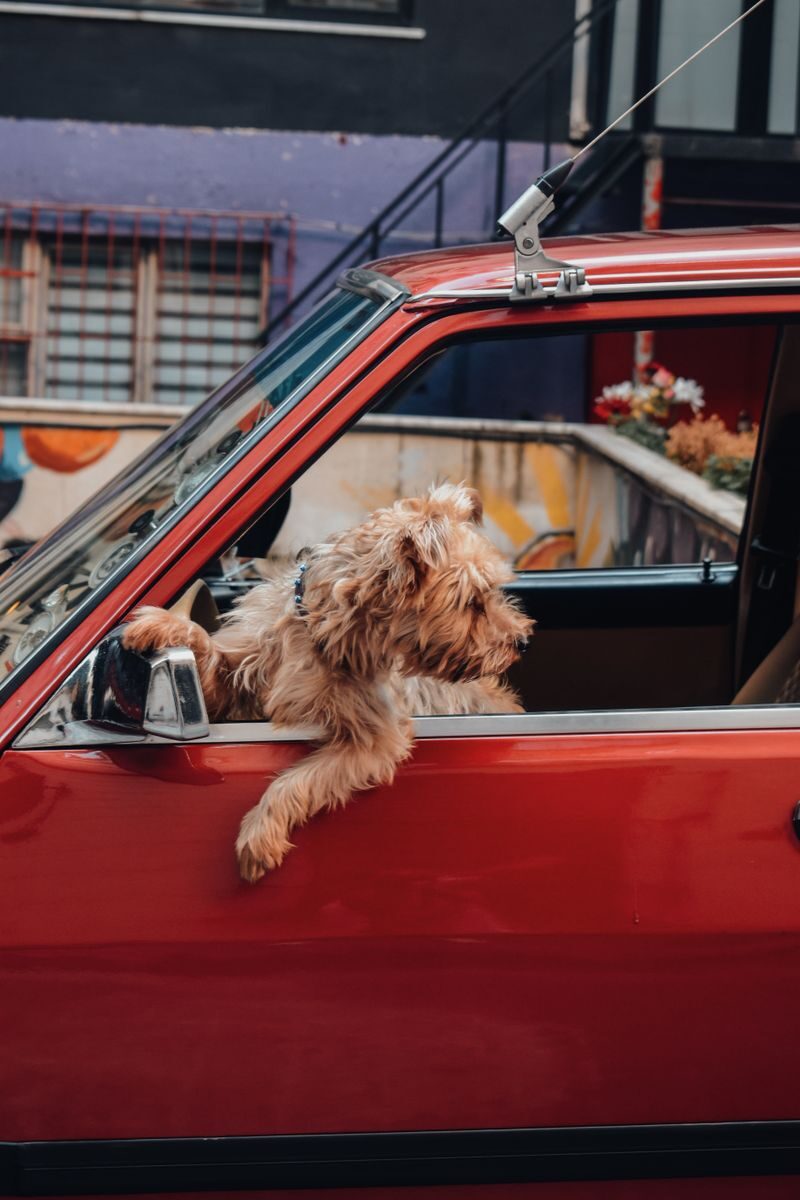
- Ventilation: Ensure your dog has access to fresh air. Open windows slightly or use a sunroof, but be mindful of bugs, pollen, and insects.
- Positioning: Sit in the back seat with your dog beside you for better control and monitoring. If driving, ensure the passenger seat is safe for your dog.
Managing Comfort and Distraction
Keeping your dog comfortable and distracted during the journey helps reduce stress and potential behaviour problems.
- Familiar Items: Bring along a familiar blanket, bed, or toy from home. This provides comfort and a sense of security.
- Water Breaks: Provide fresh water regularly, even if your dog doesn’t ask for it. Carry collapsible bowls.
- Frequent Stops: Plan rest stops every 2-4 hours. Allow your dog to stretch, relieve themselves, and have a drink of water.
- Music and Calm Environment: Some dogs prefer calm music (like classical or soft rock) over the car’s radio. Keep the driving calm and smooth.
- Positive Reinforcement: Reward calm behaviour with treats or praise. Avoid excessive criticism if your dog gets a little anxious – focus on gradual desensitization.
- Avoid Overheating: Never leave your dog parked in direct sunlight. Ensure the car is cool, especially during Ottawa’s summer months. Check pavement temperature before walking your dog on it.
Managing Anxiety and Stress
Long car rides can be anxiety-inducing for many dogs. Recognizing signs and having strategies to manage them is crucial.
- Signs of Anxiety: Panting, whining, drooling, pacing, barking, hiding, or attempts to escape are signs of stress. If your dog suffers from severe anxiety, consult your Ottawa vet. They may recommend natural calming aids (like certain Canada-made supplements) or behavioral techniques.
- Calming Techniques: Gentle petting, speaking reassuringly, and offering a safe chew toy can sometimes help. Avoid over-stimulating environments.
- Consult Professionals: If car travel anxiety is a persistent issue, consider seeking help from a certified Ottawa pet behaviour consultant.
Arrival and After
- Cool Down: Once you arrive at your destination, help your dog cool down gradually. Avoid letting them drink icy water too quickly.
- Unwind: Allow your dog time to stretch and relax before settling in.
- Stay Hydrated: Ensure they have access to fresh water.
Ottawa-Specific Considerations
- Highways: Remember the rules on Highway 417 or the upcoming Highway of Legends. Ensure your dog is safely secured regardless of the distance.
- Pet-Friendly Destinations: While many Ottawa-area hotels and attractions don’t allow pets, researching pet-friendly options in Gatineau or Algonquin can enhance the trip.
Ensuring your dog’s safety and comfort on long car rides requires planning, patience, and understanding. By following these tips, you can help make those journeys across the Ottawa region safer and more pleasant for your beloved companion.
Remember: Always prioritize your dog’s safety. If you’re unsure about any aspect of long-distance travel with your dog, consult your Ottawa veterinarian for personalized advice.