In this story
Understanding and Managing Dog Jumping in Ottawa
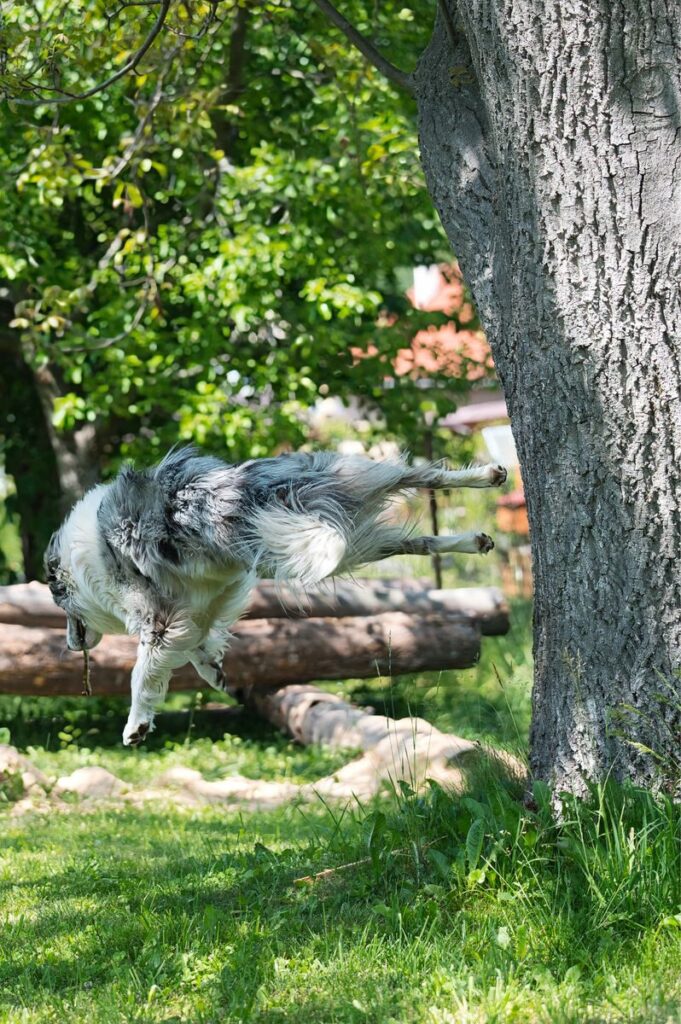
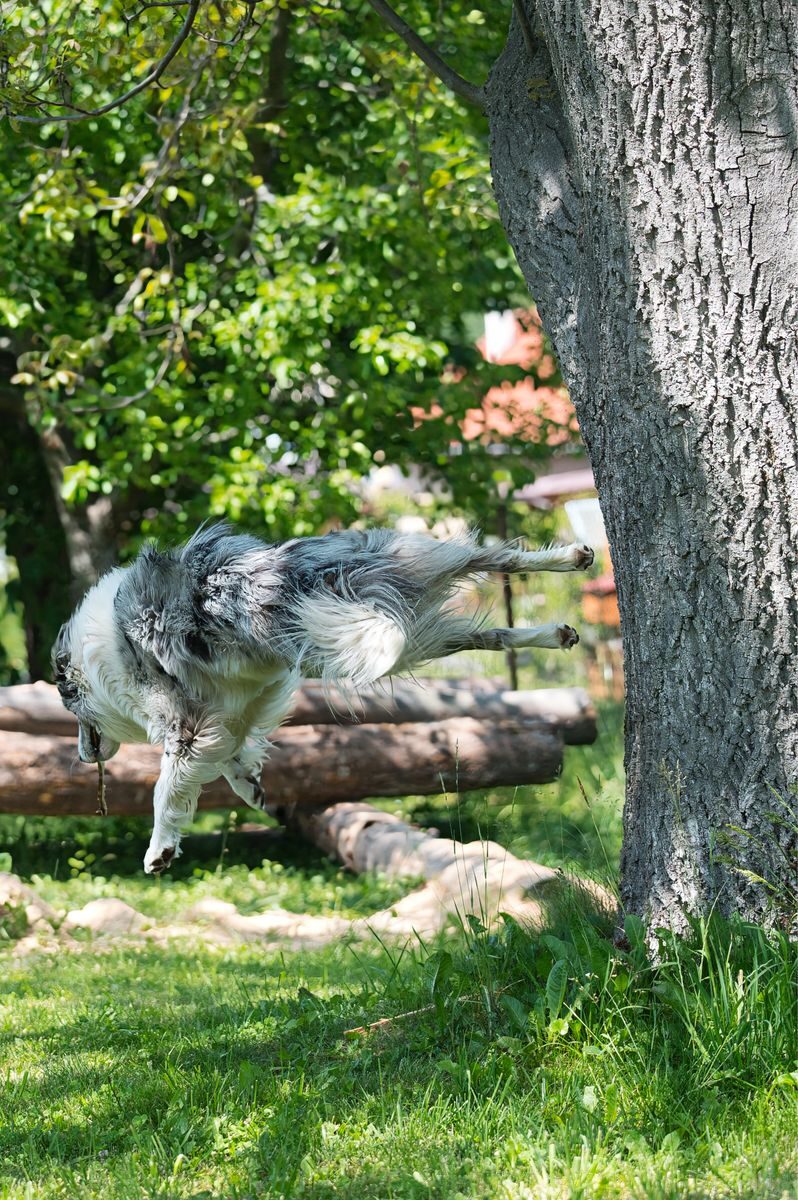
As a proud Ottawa dog owner, you know that sharing our city with furry companions brings immense joy. But sometimes, those tail-wagging, four-legged friends can surprise us with behaviours that test our patience, like jumping up on people or furniture. That excited leap might seem cute at first, but it can quickly become a concern, especially when it risks barking, mouthing, or even biting due to excitement. Fear not, fellow Ottawans! This guide explores why our dogs jump and offers practical, kind ways to help manage this common behaviour.
The Canine ‘High Five’: Why Does My Dog Jump?
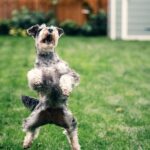
Dogs jump because it’s a natural form of communication and expression, honed through evolution and reinforced by how we, as humans, often respond. Understanding the ‘why’ is the first step towards managing the ‘how’. Here are the most common reasons:
1. Excitement and Greeting
- The Drive: Your dog sees you or another person approaching and feels excitement bubbling up. Jumping is a physical way to express that enthusiasm. It’s their way of saying, “Hey! You’re back!” or “Look at me!”
- Our Role: Often, we inadvertently encourage this. A quick ruffle of their fur, a direct eye gaze, or even just stopping to pet them mid-jump can reinforce the behaviour, teaching them that jumping gets attention.
2. Attention-Seeking
- A Learned Behaviour: Jumping can become a tool. If your dog learns that jumping gets them what they want – whether it’s playtime, food, or just being scratched behind the ears – they’ll use it regularly.
- Ottawa Context: In busy places like the Rideau Canal in the summer or near the Byward Market in the winter, a dog that greets people with a jump might quickly learn that stopping to interact is rewarding.
3. Play Initiation
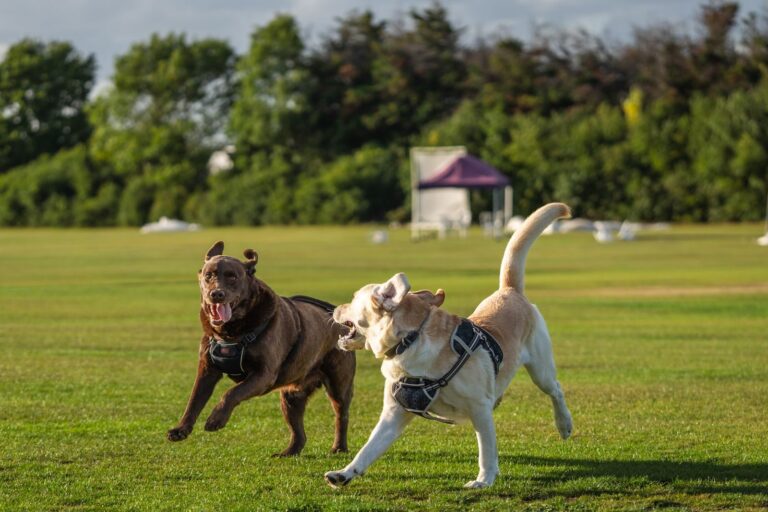
- Inviting Fun: Sometimes, a jump is simply an invitation to play. They’re showing their willingness to engage in fun activities.
- Important Distinction: While playful jumping is generally okay, excessive jumping that escalates or includes mouthing can cross the line into uncontrolled excitement.
4. Fear or Anxiety (Less Common, But Possible)
- Excitement vs. Fear: Sometimes, especially when combined with barking or tucked tail, jumping can signal fear or anxiety. A dog might jump to get a better look at something perceived as threatening or to escape a situation they find frightening.
- Ottawa Scenario: Imagine your dog jumps up on a stranger at a local farmers’ market, but seems wary rather than overly excited. This is a sign to assess their emotional state carefully.
5. Frustration
- Barrier to Goal: If your dog wants to greet another person or pet but is prevented from doing so (e.g., by being on a leash, a closed door, or someone keeping their hands to themselves), they might jump as a frustrated attempt to reach their goal.
6. Lack of Training or Socialization
- Foundation Matters: Dogs that haven’t been taught appropriate greeting behaviours (like sitting politely) or haven’t had positive experiences with many people might default to jumping.
Is Jumping Always a Problem?
A moderate amount of happy, excited jumping is usually fine, especially when greeting family members or familiar friends. However, jumping becomes a problem when:
- It escalates: They jump, bark, and then mouth, possibly at people.
- It’s excessive: They jump constantly, even for calm greetings.
- It’s directed at inappropriate things: Jumping on strangers, delivery people, or guests.
- It’s linked to fear or reactivity: Jumping combined with signs of anxiety.
Gentle Strategies to Manage and Reduce Jumping in Ottawa
The key to managing jumping effectively is positive, consistent training focused on teaching calm greetings and redirecting unwanted behaviour. Avoid punishment, as it can damage trust.
1. Manage the Environment (The “Off-Off” Button)
- Prevent Access: In the home, you can block the path to furniture or people using baby gates or physical barriers.
- Control Approaches: When greeting occurs, briefly prevent the jump by asking them to sit or stay. You can close your legs or use a gentle “uh-uh” or “no” verbal cue.
- Ottawa Outings: At places like Parliament Hill, be mindful of greetings. Ask others to offer calm greetings too. Keep walks engaging with sniff breaks to redirect focus.
2. Teach Calm Alternatives (The “Yes” Button)
- Teach a Calm Greeting: Train your dog to associate calm greetings with rewards. Ask them to sit or lie down before greeting, then reward calm behaviour.
- Teach an “Out” Command: Use positive reinforcement to teach them to leave something (like a person or a spot) calmly for a reward. This can be useful for managing jumping on guests.
- Focus on Fun: Engage your dog’s mind and body with activities they love – walks, playdates (appropriately managed), puzzle toys, or training sessions – to reduce overall excitement.
3. Use Positive Reinforcement (Rewards Power!)
- Catch Calm Moments: When your dog greets calmly (sits, stays, or just looks relaxed), reward them enthusiastically with treats, praise, or a game.
- Reward Calm on People: Practice having family members offer calm greetings, rewarding your dog for relaxing in their presence.
- Small Canadian Touch: Consider using high-value treats from local Ottawa pet stores or online retailers to make training sessions more engaging.
4. Be Consistent (Team Effort!)
- All Hands on Deck: Ensure everyone in your household and frequent visitors use the same cues and rules. Inconsistent responses confuse the dog.
- Patience is Key: Changing behaviour takes time, consistency, and patience. Celebrate small victories!
5. Professional Guidance (When Needed)
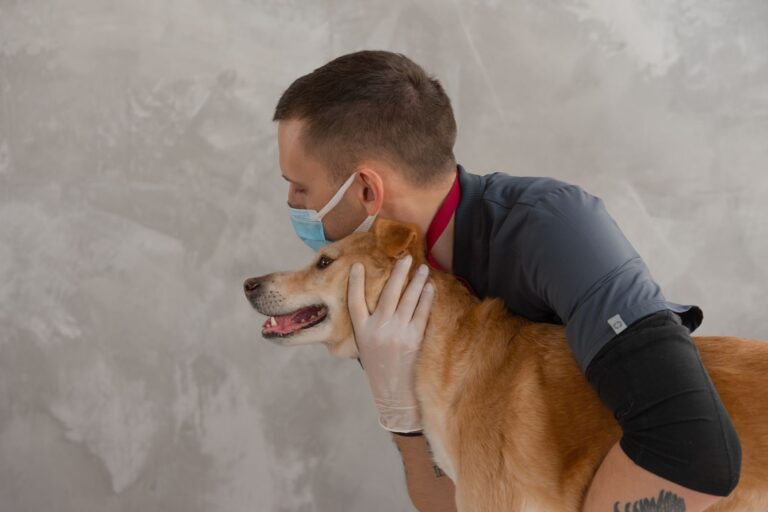
- Local Resources: If jumping becomes a significant challenge or is combined with fear/anxiety, consult a positive reinforcement-certified Ottawa dog trainer or a certified animal behaviourist. They can provide personalized strategies.
- Community Help: Look for resources offered by local organizations like the Ottawa SPCA or community groups focused on positive training.
Ottawa-Specific Considerations
Ottawa’s unique environment offers specific opportunities and challenges:
* High Traffic Areas: Places like the National Mall or the Rideau Canal bridges mean your dog might encounter many people daily. Consistent greeting etiquette is crucial.
* Seasonal Changes: Winter play in the snow or summer swims on the canal can heighten excitement levels, potentially making greeting behaviours more pronounced.
* Public Transport: While dogs usually stay in carriers, interactions at the bus depot or train station might require some management.
Wrapping Up: Happy Dogs, Better Ottawa
Jumping is a common canine language, but teaching our dogs more appropriate ways to communicate can lead to better greetings, safer interactions, and a more relaxed home environment. By understanding the reasons behind the leap and using kind, consistent training methods, we can help our furry Ottawa companions learn valuable social skills. Remember, positive reinforcement is always the most effective and compassionate approach. Happy training, fellow Capital residents!