In this story
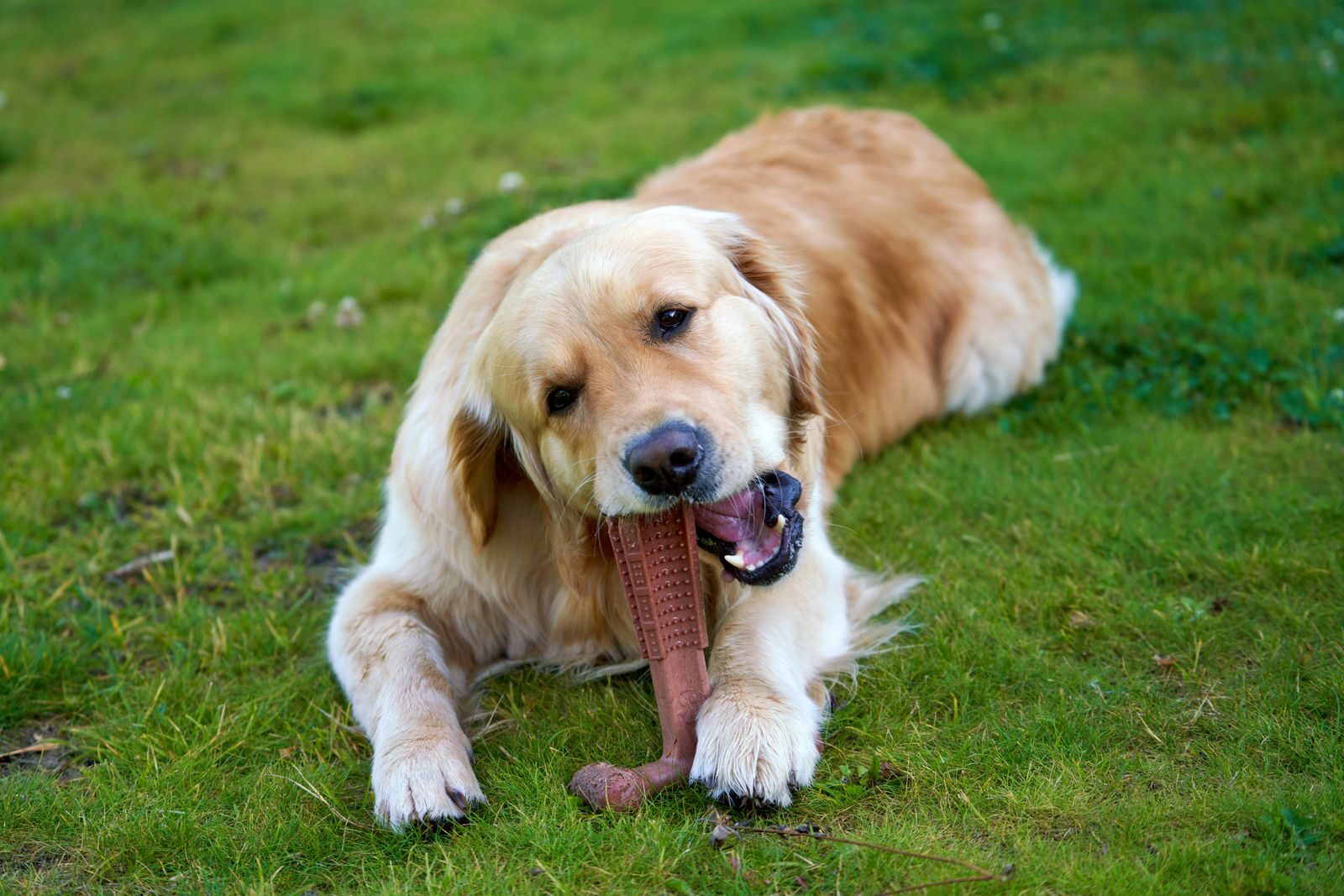
Edmonton Dog Owners: Mastering the Chew Toy Choice
Dogs chew. It’s a natural behavior, a form of communication, and often a way to relieve stress or boredom. As an Edmonton dog owner, understanding this instinct is the first step to finding the perfect chew toy for your furry friend. Whether they’re gentle nibbling on your shoes or determinedly destroying a less durable option, providing appropriate outlets for this behavior is key to a happy, healthy dog and a peaceful home.
Understanding the Edmonton Canine Chewer
Before diving into the toy aisle (or browsing online), consider why your dog is chewing.
- Teething: Puppies absolutely chew, and it’s a crucial way to soothe sore gums and develop their teeth. Chew toys designed for puppies or softer options are ideal here.
- Boredom and Lack of Stimulation: Edmonton’s beautiful parks and trails (like the River Valley) offer plenty to explore, but sometimes indoor boredom sets in. Chewing can be a way to burn off mental and physical energy.
- Stress Relief: Many dogs chew when anxious or stressed. A chew toy can be a calming focus.
- Grooming and Dental Health: Chewing helps remove plaque and tartar, contributing to dental health. Look for toys designed for this purpose.
- Resource Guarding: Sometimes, chewing can be a way to assert dominance or protect their space.
Understanding the underlying reason helps narrow down the best type of toy.
Types of Chew Toys: Finding Your Edmonton Match
The Edmonton pet supply market offers a vast array of options. Here are some common types, each with its pros and cons:
Hard Rubber/Ball Types
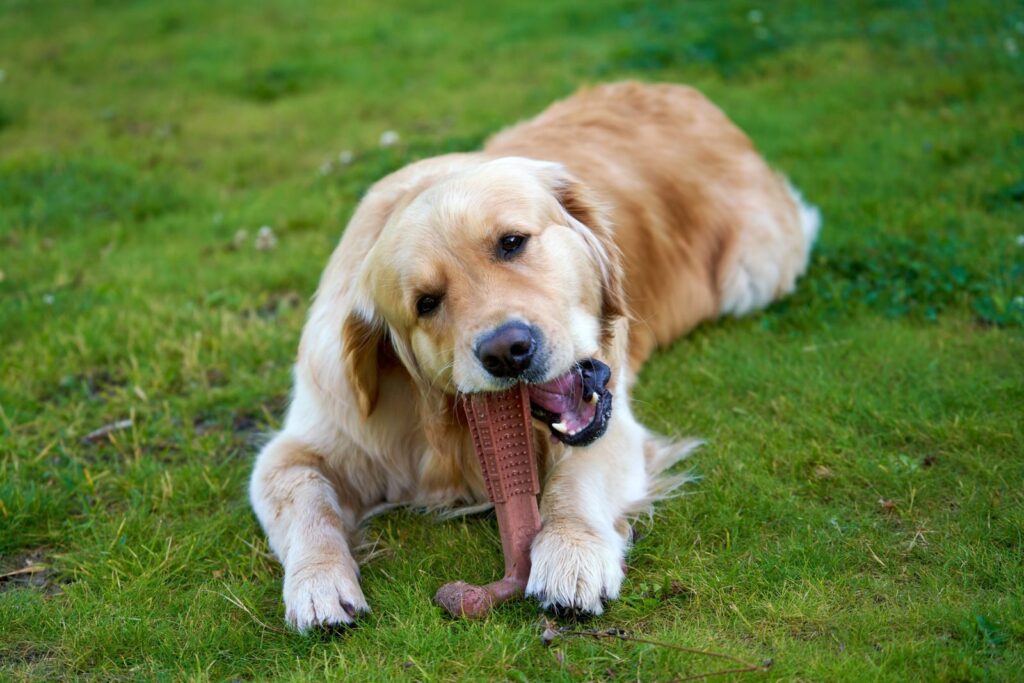
- Pros: Durable, easy to clean, comes in many shapes and sizes. Excellent for heavy chewers or those needing something substantial to gnaw on. Can help with dental health.
- Cons: Can be a choking hazard if small pieces break off; large sizes can be difficult for small dogs to handle.
- Examples: Kong toys (original or frozen!), West Highland Weenie toys, hard plastic balls.
- Edmonton Note: Many Edmonton pet stores (like PetSmart, Pet Palace, or local gems like The Pet Stop) stock a wide variety of these.
Soft Rubber/Flexible Toys
- Pros: Great for puppies or less aggressive chewers. Often come with squeakers for added fun. Can be great for tug-of-war play.
- Cons: Less durable, won’t last long-term for powerful chewers.
- Examples: Squeaky toys, plush toys (with caution – see below), soft rope toys, marrow bones.
Rope and Fabric Toys
- Pros: Excellent for gentle chewers and provide a good workout for the mouth. Rope toys can be used for tugging. Can be a fun way to engage with your dog.
- Cons: Can fray and create choking hazards. Supervision is crucial.
- Examples: Halti (tug rope), Kongs (soft version), rope tugs, simple braided ropes.
Dental Chews
- Pros: Specifically designed to promote dental health by being gnawed away. Can help reduce plaque and tartar.
- Cons: Can be expensive. Not suitable for all dogs (e.g., those with brittle teeth). Need to be replaced as they become worn.
- Examples: C.E.T Sticks, Greenies, Odorsorb dental chews.
Puzzle and Enrichment Toys
- Pros: Engage the mind, not just the mouth. Great for boredom-busters. Tease natural problem-solving instincts.
- Cons: Not primarily a chew toy, but can be used to encourage chewing. May contain small parts.
- Examples: KONG puzzles, snuffle mats, treat balls.
Rawhide and Antlers
- Pros: Natural materials, very hard for determined chewers.
- Cons:** Can splinter dangerously. Can be difficult to digest if swallowed large pieces. Often expensive. Not suitable for dogs with certain digestive issues.
- Edmonton Note: Edmonton has several natural pet supply businesses (e.g., Northwood Naturals) that offer rawhide options, but always prioritize safety.
How to Choose: Size, Breed, and Edmonton Lifestyle
Once you’ve identified the type, consider:
- Your Dog’s Breed and Size: A tiny Yorkie will need a tiny toy, while a Golden Retriever needs something far more robust. Ensure the toy is appropriate for their jaw size.
- Your Dog’s Temperament: Is it a gentle nibbler or a determined chewer? Match the toy’s durability to their strength.
- Your Edmonton Lifestyle: If you often take your dog hiking on the River Valley Trail, a durable hard rubber ball might be ideal. If you’re often at home with a calmer dog, a soft rope toy might suffice.
- Age: Puppies need softer options, seniors might prefer softer chews.
Safety First: Edmonton Dog Chew Toy Essentials
Regardless of the toy, safety is paramount for your Edmonton dog:
- Supervise: Always watch your dog while they chew, especially with toys that can break apart.
- Inspect Regularly: Check for cracks, chips, or fraying. Discard any toys that are damaged.
- No Small Parts: Avoid toys with small pieces that could be chewed off and swallowed.
- No Toxic Materials: Choose toys made from pet-safe materials. Edmonton’s pet stores generally adhere to safety standards, but always be cautious.
- Beware of Plush: While soft toys can be tempting, they often contain stuffing that can come out or be chewed. If you use them, ensure they are of high quality and monitor closely.
- Rotation is Key: Keep a variety of toys available to maintain interest and prevent boredom.
Edmonton Public Spaces and Chew Toy Inspiration
While you won’t find official chew toy stations in Edmonton’s public parks, observing other dogs and their toys can be inspiring. You might see durable rubber balls at the River Valley Dog Park or perhaps a simple rope tug being used during a walk. Remember, the best toy is one that suits your dog’s needs and keeps them engaged and safe.
Wrapping It Up: Happy Chewing in Edmonton
Choosing the right chew toy for your Edmonton dog is about understanding their needs, matching their chewing style to the toy’s durability, and prioritizing safety. By providing appropriate options, you’re not just preventing destructive chewing; you’re encouraging healthy habits, mental stimulation, and strengthening your bond with your furry companion. Happy choosing, Edmonton dog owners!