In this story
Understanding Heatstroke in Dogs
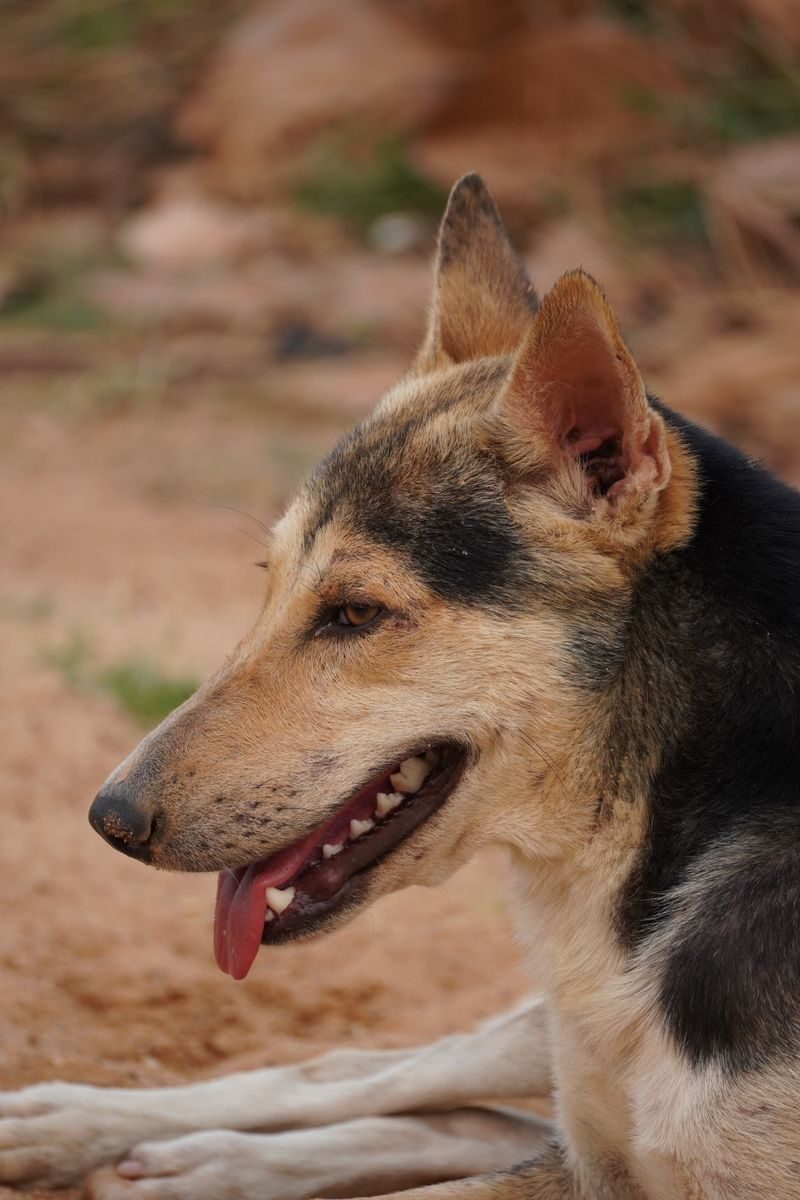
As the summer months warm up in Hamilton, it’s important for dog owners to understand the serious condition known as heatstroke. Heatstroke in dogs occurs when their bodies can no longer effectively regulate their temperature, leading to a dangerous rise in core body temperature. Unlike humans, dogs primarily cool themselves through panting and have limited effective methods for heat dissipation, making them particularly vulnerable to overheating during our warmer seasons.
Heatstroke is a life-threatening emergency that requires immediate veterinary attention. Being prepared and knowing the warning signs can make all the difference between a minor incident and a potentially fatal outcome for your canine companion. Hamilton’s climate, with its hot summers and occasional heatwaves, means dog owners need to be extra vigilant during the warmer months.
Why Dogs Are Susceptible to Heatstroke
Dogs have evolved differently than humans in terms of thermoregulation. While humans sweat effectively across their bodies, dogs primarily rely on panting and have very few effective ways to dissipate heat. Here’s why our pets are particularly vulnerable during Hamilton’s warmer weather:
Limited Natural Cooling Mechanisms
- Panting is inefficient: While panting helps evaporate moisture from the dog’s respiratory tract, it’s not nearly as effective as human sweating for large animals or in extremely hot, humid conditions.
- Limited sweat glands: Dogs only have sweat glands in their paw pads, which play a negligible role in cooling their bodies.
Breed Predispositions
- Brachycephalic breeds: Breeds like Boxers, Pugs, and French Bulldogs have shortened airways (brachycephaly) which make panting difficult and ineffective.
- Heavy-coated breeds: Dogs with thick coats (like German Shepherds or Huskies) have more difficulty dissipating heat.
- Overweight dogs: Excess fat acts as insulation, trapping heat and making it harder for the dog to cool down.
Environmental Factors in Hamilton
- High humidity: Hamilton’s summer humidity can significantly reduce the effectiveness of panting.
- Urban heat island effect: Asphalt and concrete in city areas can absorb and radiate heat, making neighbourhoods warmer than surrounding areas.
- Direct sun exposure: Dogs left in direct sunlight, even on cool days, absorb heat through their fur.
Recognizing the Signs of Heatstroke
Heatstroke in dogs is characterized by a combination of behavioral changes and physical symptoms. Knowing these signs can help you intervene quickly if you suspect your dog is suffering from heatstroke.
Early Warning Signs
Heatstroke develops in stages. Recognizing early warning signs can help prevent a full-blown emergency:
- Increased panting: While panting is normal, excessive panting that seems laboured or doesn’t subside is a red flag.
- Saliva changes: Thick, viscous saliva may be produced as the dog tries to compensate for inadequate panting.
- Altered mental state: Notice any changes in your dog’s behaviour, such
- restlessness or anxiety
- lethargy or weakness
- disorientation or confusion
- staggering or incoordination
Classic Signs of Heatstroke
When heatstroke progresses, more severe symptoms appear, often indicating a medical emergency:
- High body temperature: A rectal temperature exceeding 104°F (40°C) is a definitive sign of heatstroke.
- Bright red or dry gums: Panting usually keeps gums moist, but in heatstroke, the panting mechanism can fail.
- Increased heart rate: Rapid breathing and heart rate are common signs of stress.
- Vomiting or diarrhea: Gastrointestinal distress can occur as the body struggles.
- Collapse or weakness: As heatstroke progresses, dogs may become unable to stand or move.
- Convulsions or seizures: Severe neurological impairment can occur in advanced cases.
What to Do If You Suspect Heatstroke
If you observe any signs of heatstroke in your dog, act quickly. Time is critical when dealing with heatstroke.
Immediate Actions
- Call your vet immediately: Hamilton has several excellent veterinary hospitals ready to help. Call them as soon as you suspect heatstroke.
- Move your dog indoors: Get your dog away from the hot environment as quickly as possible.
- Offer fresh water: If your dog is alert enough to drink, offer cool (not ice-cold) fresh water.
- Cool your dog down: While waiting for emergency veterinary care, start cooling your dog down. Use cool (not ice-cold) water and gently wet their fur, especially around the head, neck, and paws. You can also use a fan to aid evaporation.
Crucial: Do NOT Use Ice
Avoid using ice or very cold water directly on your dog’s skin or fur, as this can cause blood vessel damage and potentially worsen the situation.
Seek Emergency Care
Heatstroke is a medical emergency requiring professional veterinary intervention. Do not delay seeking help. Hamilton’s emergency veterinary services are equipped to handle heatstroke cases effectively.
Preventing Heatstroke in Hamilton
Prevention is always better than cure when it comes to heatstroke. Here’s how you can protect your dog this summer:
Supervise Outdoor Time
- Avoid the hottest parts of the day: Limit outdoor activities during peak sun hours, typically between 10 am and 4 pm.
- Check surfaces: Avoid walking your dog on hot pavement, as it can burn their paw pads and also heat their feet, contributing to overheating. Hamilton’s summer days can be quite warm.
- Never leave your dog unattended: Under no circumstances should you leave your dog parked in a car or outside unsupervised, even for a short period.
Provide Adequate Shade and Water
- Shaded areas: Ensure parks and outdoor spaces have sufficient shade.
- Fresh water: Always provide access to fresh, clean water when your dog is outside. Refill frequently.
Hamilton-Specific Considerations
- Beaches: While Hamilton has lovely beaches like Vineland and Fort Hunter, be mindful that sand retains heat. Avoid leaving dogs on sand during midday. Always provide shade and water.
- Dog parks: Supervise your dog closely at Hamilton’s dog parks (like the ones at Royal Botanical Gardens or various community parks). Ensure there’s shade available and plenty of opportunities for dogs to cool off with water.
- Know your local vets: Hamilton has several reputable veterinary clinics ready to help in emergencies, including 24-hour emergency services.
What NOT to Do
- Don’t rely solely on panting: While panting is normal, excessive or laboured breathing is a warning sign.
- Don’t use extreme cooling methods: Avoid spraying ice water directly on your dog or using very cold compresses.
- Don’t delay seeking help: If you suspect heatstroke, contact your vet immediately.
Conclusion: A Responsible Approach to Hot Weather
As dog owners in Hamilton, we share the responsibility of keeping our pets safe during hot weather. Heatstroke is a serious condition that can strike quickly, especially during our summer months. By understanding the signs, taking preventative measures, and knowing what to do in an emergency, you can help ensure your best friend stays cool, comfortable, and safe throughout the season.
Remember, prevention is key. Monitor your dog closely during hot weather, provide ample shade and water, and never leave them in situations where they could overheat. Hamilton’s beautiful parks and beaches are wonderful for dogs, but safety should always be your priority. If you have any concerns about heatstroke or your dog’s heat tolerance, consult your regular veterinarian for personalized advice. Stay vigilant and keep your furry friend safe this summer!
Related posts:
 Beat the Bugs Naturally: Keeping Your Hamilton Dog Tick and Flea-Free
 Spot the Signs: What Your Hamilton Dog’s Poop Reveals About Their Health
 Gentle Years: Why Senior Dogs Need Special Care in Hamilton
 Is Your Dog Bored? Signs & Solutions for Canine Enrichment in Hamilton
 Set Up a Winning Daily Routine for Your Hamilton Dog