In this story
Is Your Dog Bored? Signs & Solutions for Canine Enrichment in Hamilton
That familiar feeling of cabin fever you get when stuck indoors? Dogs can experience something similar. While they might not complain about feeling bored in the same way humans do, their bodies certainly show signs they’re not quite content. As dog owners in Hamilton, recognizing these signals and providing engaging activities is key to keeping our furry companions happy and healthy.
Dogs are descendants of working animals, and many still thrive on purpose, interaction, and environmental complexity. When their natural instincts aren’t challenged or stimulated, boredom can set in. This isn’t just about keeping them out of trouble; it’s about fulfilling their psychological needs. Hamilton offers plenty to explore, but sometimes even the best-laid plans for walks and park visits aren’t enough. That’s where understanding canine boredom becomes crucial.
Recognizing the Signs: When is Your Dog Actually Bored?
Boredom in dogs often manifests as either physical restlessness or behavioral changes. Paying attention to your dog’s daily cues can help you determine if they’re getting enough stimulation. Here are some common indicators:
Physical Signs
- Excessive Sleep: While dogs need sleep, prolonged, deep sleep (more than usual) can sometimes signal a lack of activity.
- Lethargy or Low Energy: If your usually energetic dog seems sluggish or disinterested in play, walks, or interaction, boredom might be a factor.
- Changes in Appetite: A decrease in interest in food or alterations in eating habits can occur when a dog is under-stimulated.
- Grooming Issues: Over-grooming (like excessive licking or chewing) can become a coping mechanism when a dog is stressed or bored. Changes in grooming habits might also indicate something’s off.
Behavioral Signs
- Destructive Chewing: This is perhaps the most common sign. When dogs lack stimulation, they may chew furniture, shoes, or anything they can find to break.
- Separation Anxiety: Sometimes, boredom can exacerbate or mimic separation anxiety, as the dog seeks something to focus on when you’re not around.
- Excessive Barking or Howling: Dogs may bark at things that aren’t there, howl, or make noise simply to break the silence and monotony.
- Laziness During Walks: If your dog seems less interested in exploring, sniffing, or engaging with their environment during walks, they might just be plain bored with the routine.
- Lack of Interest in Toys: If toys that used to captivate them now seem uninteresting, it might be a sign their environment needs more stimulation.
- Redirected Energy: Sometimes, boredom leads to frustration, which can manifest as whining, pacing, or suddenly nipping at your legs or furniture.
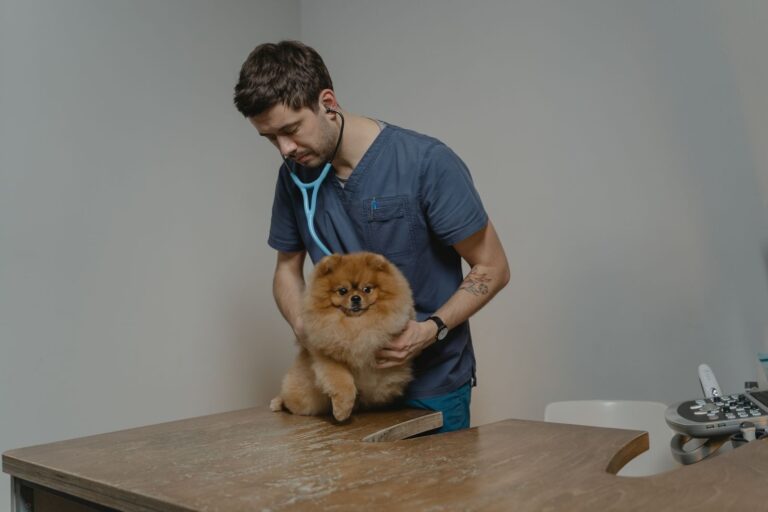
It’s important to distinguish these signs from those caused by pain, fear, or illness. If you’re concerned about your dog’s well-being, consulting the Hamilton Animal Shelter or a local vet is always recommended.
Why Boredom Matters: The Impact on Your Dog
Beyond just annoying you with destructive behavior, prolonged boredom can have real consequences for your dog’s health and well-being:
- Mental Health: Boredom can lead to stress, anxiety, and depression in dogs. They need cognitive engagement to thrive.
- Physical Health: Lack of exercise contributes to weight gain and associated health problems. Behavioral issues like excessive licking can lead to skin problems.
- Behavioral Issues: As mentioned, destructive chewing, excessive barking, and aggression can strain the human-canine bond and lead to relinquishment.
Simple Solutions: Keeping Your Hamilton Dog Engaged
The good news? Combating boredom doesn’t always require elaborate setups or expensive gadgets. Here are some practical, everyday ways to enrich your dog’s life:
1. Vary the Walks
- Change Routes: Don’t just stick to the same path every day. Explore different neighborhoods, parks, or even try walking near the Hamilton Dog Park.
- Different Times: Go for walks at different times of day to encounter different sights and smells.
- Add Sniff Stops: Slow down during walks and let your dog sniff thoroughly at different points. Time their sniff stops.
- Try Different Terreno: Walk on grass, pavement, dirt paths, or even around a field. Some dogs love swimming in Hamilton’s beaches or ponds!
2. Utilize Your Own Space
- Puzzle Toys: Food-dispensing toys (like those from KONG or simple homemade puzzles) challenge your dog mentally. Many small Canadian makers offer fun, durable options.
- Forced Breaks: If you’re at home, leave your dog in a different room for short periods. Scatter their bed or a toy to encourage exploration.
- Indoor Enrichment: Hide their bed or a toy around the house. Use treat balls. Practice obedience commands or play fetch with a towel indoors.
3. Engage Their Natural Instincts
- Digging: Provide a sandbox or dig-safe area. Some dogs enjoy digging holes in the backyard.
- Fetching: Rotate toys and find different ways to throw them. Use different textures.
- Herding or Guarding (if applicable): Provide appropriate outlets for these instincts.
4. Leverage Local Resources
- Dog Parks: Visit the Hamilton Dog Park for socialization and exercise. Ensure it’s safe and appropriate for your dog.
- Conservation Halton: Explore the trails and parks in nearby Conservation Halton for varied environments.
- Training Classes: Hamilton offers various dog training classes through groups like Hamilton Dog Obedience Club or local trainers. This is both exercise and mental stimulation.
- Dog Sports: Consider agility, flyball, or scent work for additional enrichment.
- Visiting Friends: Arrange playdates with trusted friends or family.
5. Quality Time and Training
- Interactive Play: Spend one-on-one playtime. Tug-of-war, gentle wrestling, or teaching new tricks can be very engaging.
- Clicker Training: This method can provide a fun, focused way to train and bond with your dog.
Creating a Stimulating Home Environment
Don’t forget what goes on inside your own home:
- Rotate Toys: Keep toys fresh by rotating them out regularly.
- New Scents: Occasionally introduce new, safe scents (like sniffing a crumpled ball of paper with a different fabric).
- Vertical Space: If possible, provide a cat tree-style structure or a stand for their bed to offer a different perspective.
When to Seek Help
If you’ve tried various strategies and your dog still seems persistently bored or shows severe behavioral issues, don’t hesitate to consult resources like the Hamilton Dog Training Association or your veterinarian. They can offer personalized advice or rule out other underlying issues.
Conclusion: A Bored Dog is a Stressed Dog
Keeping your Hamilton dog mentally and physically stimulated is an investment in their overall well-being. By recognizing the signs of boredom and implementing simple, everyday enrichment activities, you can help ensure your canine companion leads a happy, healthy, and fulfilling life right here in the Queen City. So, vary those walks, engage your dog’s mind, and give them the enrichment they deserve!