In this story
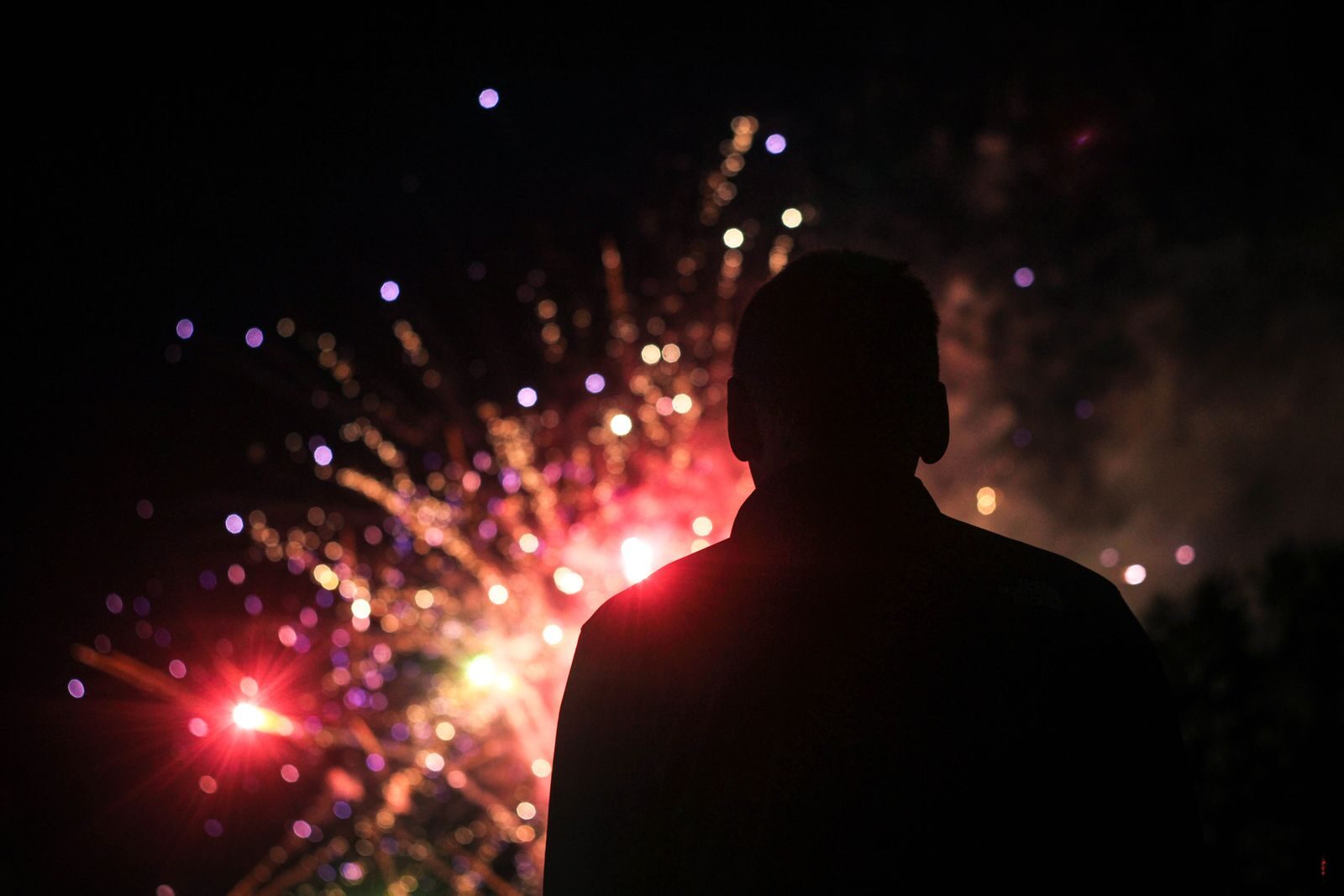
Understanding Fireworks Fear
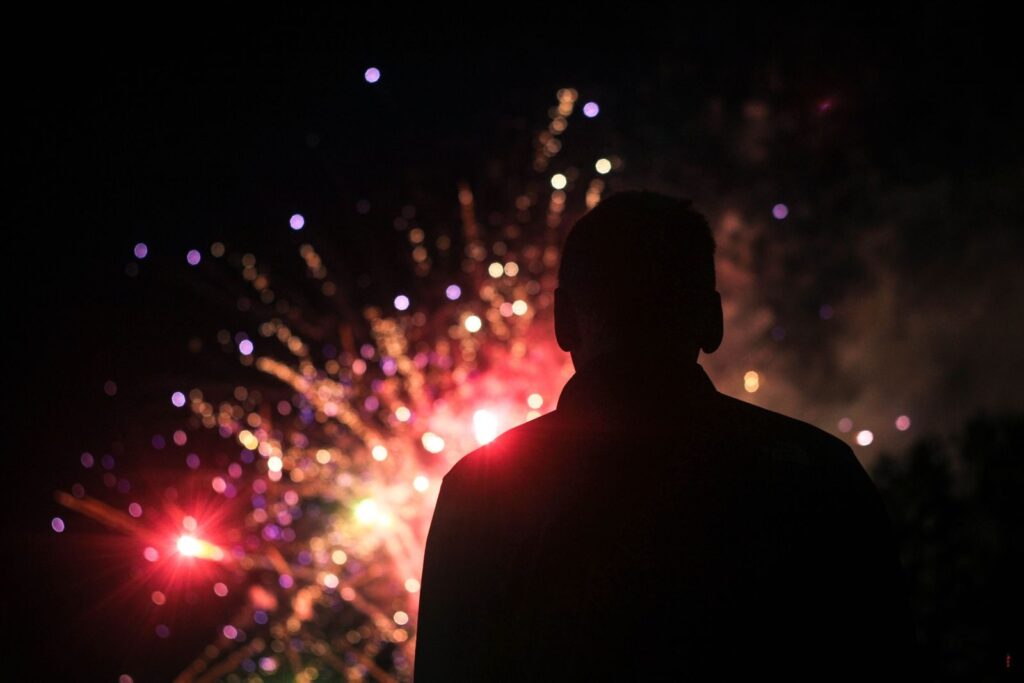
For many dogs, the sudden, loud bursts of fireworks evoke a primal fear response. This isn’t just about loud noises; it’s the unpredictable, high-decibel sounds that mimic natural threats like thunder or predators. Understanding why your dog might be scared helps you address their needs more effectively. Fear isn’t a sign of bad training or a problematic dog—it’s a natural instinct.
Recognizing Fear in Dogs
Before you can help, you need to recognize the signs that your dog is distressed:
- Physical: Panting, trembling, tucked tail, yawning (even if they’re tired), hiding, whining or barking excessively, reluctance to move, clingy behaviour, loss of appetite.
- Behavioural: Destructive chewing, attempts to escape (digging, trying to open doors), excessive salivation, avoidance of touch or handling.
Creating a Safe Haven
The most crucial step is ensuring your dog has a quiet, secure space where they can retreat. This isn’t about punishment or neglecting the celebrations, but about offering a predictable, calm environment.
- Designate a Quiet Room: Identify the quietest room in your home. This should be off main floor if possible, away from windows and doors. Line it with soft bedding, their favourite blanket (which carries your scent), and perhaps some of their toys.
- Close Curtains: Block out visual stimuli. Closing curtains can help reduce visual stressors.
- White Noise or Calming Music: Playing low-level background white noise (like a fan or a dedicated app) or calming classical music (often recommended for dogs) can sometimes mask or desensitize them to loud sounds.
- Vancouver Public Spaces: If your home becomes too overwhelming, consider a pre-arranged quiet escape plan. While less common during peak fireworks, some areas like libraries or community centres might offer quiet zones, but planning ahead is key. Stanley Park, being large, might offer quieter pockets, but it’s not guaranteed during major displays.
Preventative Measures and Desensitizing
Prevention is often better than cure. Start desensitizing your dog before the first fireworks.
- Start Indoors: Begin by playing recordings of firecrackers at low, tolerable volumes while your dog is relaxed. Gradually increase the volume over weeks or months, always pairing it with positive reinforcement (treats, play, praise). Ensure they remain calm at each level before increasing it.
- Positive Reinforcement: Focus on rewarding calm behaviour. When your dog is relaxed despite the sounds, reward them generously. This builds confidence and teaches association with positive outcomes.
- Avoid Punishing: Never punish your dog for being scared. This will increase their anxiety and damage the trust between you and your pet.
Natural and Over-the-Counter Options
While always best discussed with your vet first, some natural approaches are popular in Canada:
- Calming Diffusers: Products like Feliway or Adaptil release synthetic pheromones that mimic those produced by nursing mother dogs, promoting relaxation. Ensure you use products specifically designed for dogs.
- Anxiety Wraps: Also known as Thundershirts, these snug wraps apply gentle pressure which some dogs find soothing, similar to a swaddled infant.
- Gentle Herbal Teas (Consult Your Vet First!): Some owners use cooled, plain chamomile or ginger tea (not to be ingested, but perhaps placed near the dog’s bed), but always consult your veterinarian before trying any herbal remedies as they can interact with other medications and dosages matter.
Note: Many natural products available in Canada have regulations, and quality can vary. Always consult your veterinarian before introducing any new supplement or product.
Managing the Outbreak
When fireworks begin:
- Stay Calm: Your dog picks up on your stress. Keep your own panic to a minimum.
- Let Them Choose: Allow your dog to go to their safe space on their own. Forcing them can increase anxiety.
- Monitor: Keep an eye on your dog but don’t crowd them.
- Distraction (Positive): Engage them with highly desirable treats or a puzzle toy filled with their favourite snack.
- Avoid Over-the-Counter Meds: Do not administer human medications like Benadryl or Xanax without explicit veterinary guidance. Dosages are critical and incorrect use can be dangerous.
Checking on Neighbours
Dogs left with neighbours can experience extreme fear. Ensure your neighbours know your dog is prone to fireworks anxiety and ask them to keep doors closed and windows covered. Leaving a reassuring note can be helpful.
Emergency Plan
While most dogs cope with typical neighbourhood fireworks, be prepared:
- Know Your Dog’s Limits: If your dog has severe anxiety that you cannot manage at home, consult your vet about prescription calming medications that can be used short-term during extreme events.
- Have a Plan: Know where you can go if your home becomes unsafe (e.g., to a friend’s house or a pet-friendly motel). Ensure your phone has emergency numbers saved.
- Microchip Information: Ensure your dog’s microchip has up-to-date contact information.
Working with Your Vet
Your veterinarian is your most important resource. They can:
- Rule out any underlying medical conditions causing fear.
Discuss safe and effective calming strategies.
Discuss prescription medications if necessary.
Provide guidance on desensitization techniques.
Final Thoughts
Helping your dog navigate the frightening sounds of fireworks is about providing a safe, predictable environment and understanding their needs. By preparing in advance, staying calm, and seeking professional advice when needed, you can help ensure your Vancouver companion feels secure during these annual celebrations. Remember, their fear is valid, and with patience and care, they can learn to cope.
Related posts:
 Keep Your Edmonton Dog Calm Through Fireworks Season
 Keep Your Brampton Pooch Calm Through Fireworks: A Guide to Peaceful Nights
 Vancouver Dog Cold Weather Guide: Keeping Your Pooch Comfortable
 Managing Canine Clutter: A Vancouver Guide to Reducing Shedding at Home
 Stay Dry and Cozy: Best Rainy-Day Gear for Your Vancouver Dog