In this story
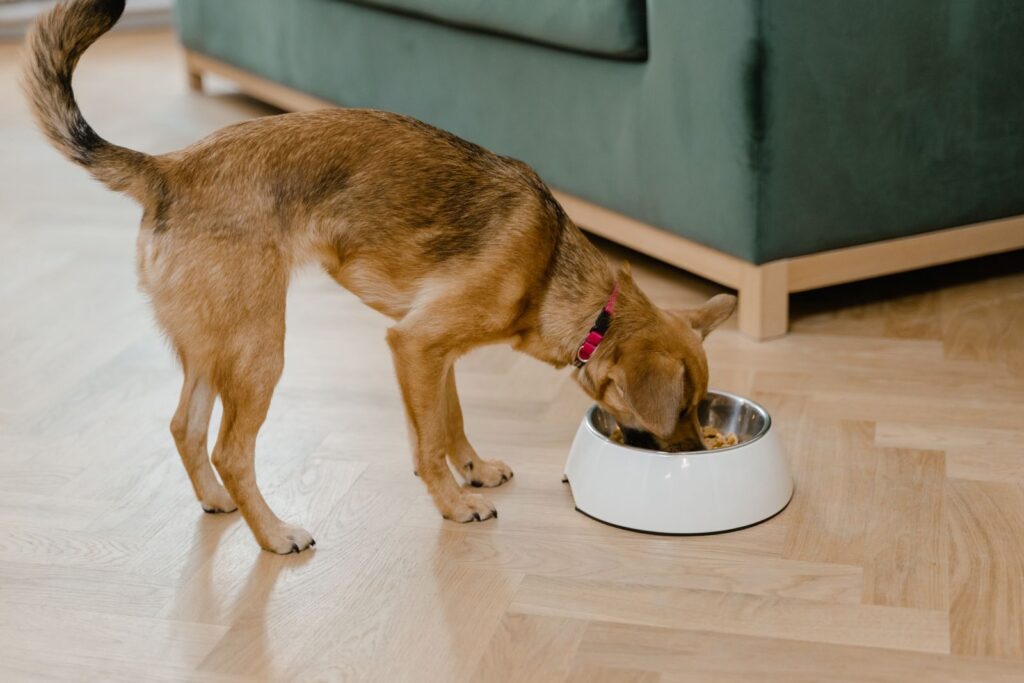
More Than Just Kibble: Why Mealtime Enrichment Matters
For many Winnipeggers, the four seasons stretch from deep snow to deep summer, often meaning our dogs spend significant time indoors, especially during the long winter months. While walks to the park remain a crucial outlet, indoor enrichment becomes even more vital. But it’s not just about keeping them entertained when you’re out running errands – it’s fundamental to your dog’s well-being.
Daily routines provide structure and predictability, which are essential for dogs, just as they are for us. However, simply filling the time until the next walk or nap isn’t enough. Dogs are intelligent beings with natural instincts for foraging, exploring, and problem-solving. When these instincts aren’t stimulated, even during mundane times like meal preparation, it can lead to boredom, anxiety, and even destructive behaviours.
Think about it – have you ever come home to find a Winnipeg home with chewed furniture or a dog staring intently at an empty bowl? That’s often the result of unmet mental needs. Enriching mealtime specifically addresses this by transforming a routine act into an engaging experience, promoting cognitive health and preventing boredom-related issues.
The Simple Joy of Pacing: Slowing Down Eating
One of the easiest and most effective ways to enrich mealtime is by controlling the pace of eating. Rapid eating can be problematic for many dogs, leading to choking hazards, digestive upset (like ‘food bloat’), and, more importantly for enrichment, it often signals the end of the ‘interesting’ part of the day.
Practical Tip: The Slow Feeder Bowl
This is perhaps the simplest tool for enrichment. A slow feeder bowl forces your dog to eat at a slower pace, mimicking their natural grazing behaviour in the wild. While Winnipeg doesn’t have vast prairielands, this still provides valuable mental engagement.
- How it works: These bowls have ridges or compartments that make it harder for your dog to scoop large amounts of food at once.
- Benefits: Slower eating aids digestion, reduces the risk of choking or bloat, and extends mealtime, keeping your dog’s mind occupied.
- Finding one: Many local pet stores in Winnipeg carry various options, or you can look for simple DIY designs online (like placing a rolled-up towel in a regular bowl). Avoid bowls that are too complex initially.
Another Approach: Timing and Environment
Even without a special bowl, you can influence eating speed:
- Set a Timer: Designate a specific time slot (e.g., 20 minutes) for meals. If they finish early, put the bowl away. This teaches your dog to wait.
- Clear the Bowl: Some dogs eat faster if the bowl is empty. Clearing the bowl halfway through (if appropriate for their diet) can slow them down.
- Multiple Locations: If space allows, you could even temporarily move the bowl to a different room during part of the mealtime.
Food Games: Turning Kibble into Treasure
This is where the fun begins! Food puzzles encourage your dog to work for their meal, engaging their problem-solving skills and providing significant mental stimulation.
The Classic Hide-and-Seek
This doesn’t require any special equipment, just a bit of creativity.
- How: Scatter small portions of kibble or a safe, healthy treat (like small carrots or slices of cucumber) around the floor near their bed or play area.
- Winnipeg Adaptation: During snowy weather, this game can be played indoors on a rug or even in a laundry basket filled with clean towels.
- Benefits: Excellent exercise for sniffing, searching, and focusing. It’s mentally taxing and physically active.
- Progression: As your dog masters this, you can increase the difficulty by hiding treats under pillows, inside rolled-up socks, or within containers.
DIY Puzzles Using Household Items
Winnipeg homes likely have several readily available items that can become temporary enrichment tools:
- Tennis Ball in a Ball: Place a small portion of food inside a tennis ball and let your dog figure out how to get it out.
- Ziploc Bags: Cut small holes in a Ziploc bag filled with kibble or treats. This tactile challenge requires sniffing and manipulating.
- Cardboard Boxes: Cut an appropriate-sized opening in a sturdy cardboard box and fill it with food.
- Woven Bowls: Some bowls with a woven bottom force dogs to dig and search for food, similar to a puzzle.
Remember: Always ensure any household items used are safe, non-toxic, and cleaned regularly. Supervise initially to ensure no items are ingested.
Interactive Feeders: The Elevated Challenge
Another step up from simple slow feeders are interactive feeders, which often incorporate moving parts or require dogs to perform specific actions to access food.
- Types: These range from simple treat dispensing balls (like those used for cats) that dogs roll to release food, to more complex multi-level feeders that dispense food as your dog steps or jumps.
- Benefits: Provide consistent mental engagement, can be used for portion control by hiding food in compartments, and can be mounted higher off the ground (useful for keeping food off the floor during cleaning).
- Considerations: Ensure the feeder is stable and appropriate for your dog’s size and strength. They can be more expensive than simple slow feeders.
Winnipeg-Specific Considerations
Living in Winnipeg means embracing indoor activities, especially during the colder months.
- Winter Focus: Mealtime enrichment becomes even more crucial when outdoor time is limited. Puzzle games and slow feeders are perfect indoor activities.
- Local Resources: While not promoting specific businesses, consider exploring local Winnipeg dog parks (like the ones in River Heights or Polo Park) for group play enrichment after meals. Community events or classes (check local listings) might also offer group dog activities.
- Weather Impact: Ensure any outdoor puzzle games are brought inside quickly during cold snaps. Indoor enrichment is key.
Beyond Food: Sniffing and Searching are Key
Many food enrichment activities rely on a dog’s powerful sense of smell. Sniffing games are incredibly enriching even outside of meal times.
- Winnipeg Adaptation: Use everyday household items – rolling a dirty sock across the floor, hiding a treat inside a book, or placing a safe, interesting item (like a crumpled piece of paper) in a carrier.
- Benefits: Highly stimulating, uses natural instincts, can be done indoors or (appropriately) outdoors.
Consistency and Patience: The Unsung Heroes
Introducing new enrichment activities should be done gradually. Don’t overwhelm your dog. Start simple and build complexity.
- Consistency: Dogs thrive on routine. Try to incorporate enrichment into meal times at roughly the same time each day.
- Patience: Your dog will learn new behaviours and tricks. Celebrate small successes.
Wrapping it Up: A Happier, Healthier Winnipeg Dog
Enriching your dog’s mealtime doesn’t have to be expensive or complicated. By simply slowing down eating, introducing simple food games, and using interactive tools, you provide invaluable mental stimulation and help prevent boredom. This focus on daily enrichment, especially during the long Winnipeg winters, contributes significantly to a happier, healthier, and more engaged companion. So next time you’re preparing a meal, think about how you can turn it into a mini-adventure for your furry friend too.