In this story
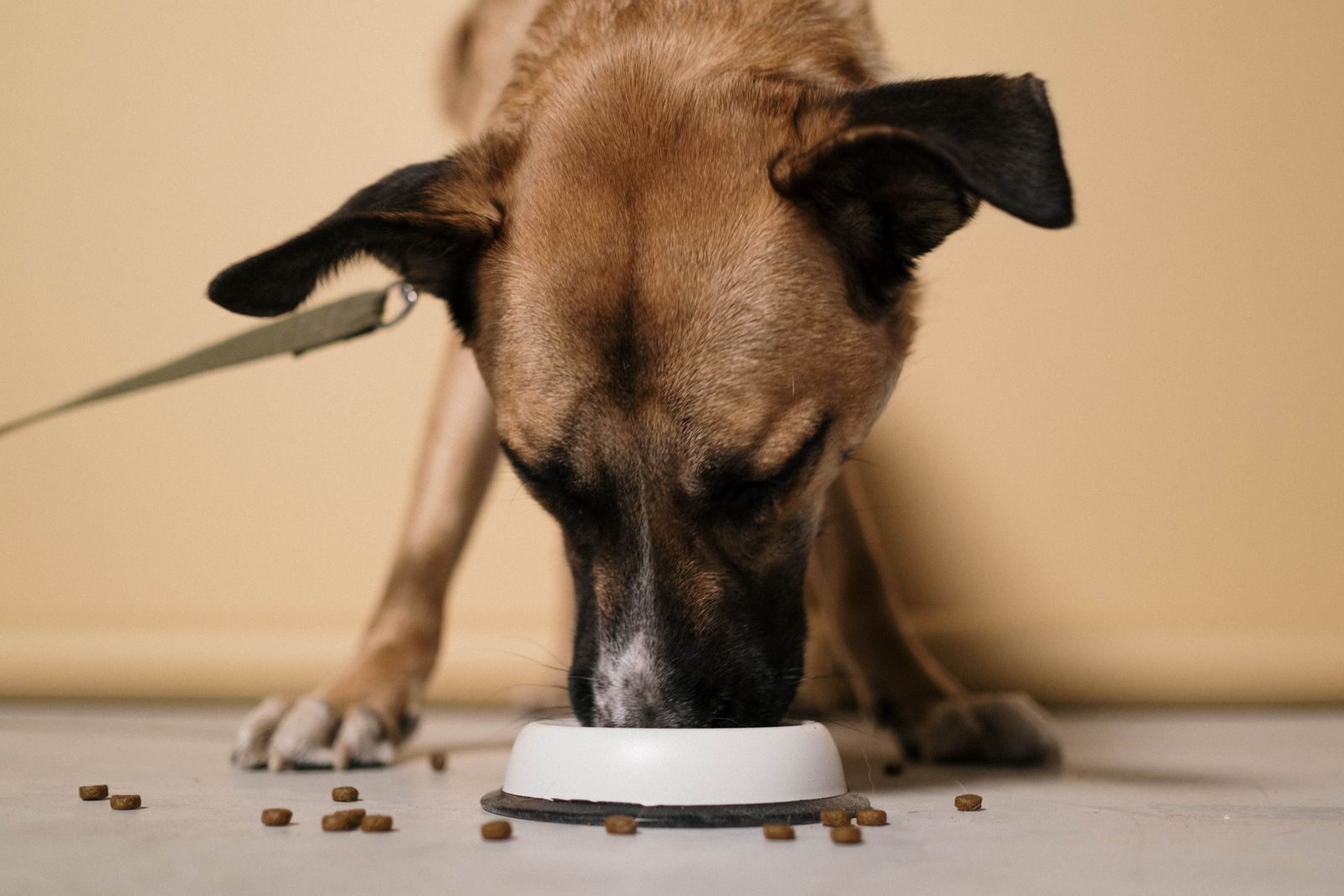
Early Steps to Address Resource Guarding in Your Brampton Dog

Resource guarding can be a stressful issue for any dog owner, especially those navigating the beautiful parks and public spaces around Brampton. Seeing your furry friend become protective of their food, toys, or even their resting spot can be concerning, and addressing it early is key to preventing it from escalating. As a responsible Brampton pet owner, understanding the basics and taking proactive steps can make a significant difference in your dog’s comfort and your peace of mind.
This guide focuses on practical, non-technical advice for recognizing the early signs and implementing gentle, effective strategies to help manage and prevent resource guarding before it becomes a serious problem. We’ll emphasize building trust and positive associations, which are foundational to addressing this common behaviour.
What is Resource Guarding?
Resource guarding involves a dog protecting something they value, such as food, toys, bones, or even their bed or favourite blanket. This behaviour stems from ancestral instincts and can range from subtle (like growling when approached while eating) to overt (like nipping or trying to force someone away).
It’s important to understand that guarding is a natural protective behaviour, but when it’s directed towards people, especially inappropriately, it can become problematic.
Why Early Intervention Matters
Addressing resource guarding early is crucial for several reasons:
- Safety: Prevents the behaviour from escalating into more serious aggression.
- Reduces Stress: Creates a more harmonious environment for both you and your dog.
- Prevents Learned Patterns: Interrupting early prevents the dog from solidifying these guarding habits.
Common Triggers in the Brampton Context
Dogs in Brampton, like elsewhere, might show guarding tendencies in various situations. Being aware helps you manage the environment:
- Food: Eating kibble, snacks, or treats.
- Toys: Their chew toys, balls, or tug ropes.
- Bedding/Resting Areas: Their crate, bed, or favourite sunspot.
- Other Resources: Pillows, bones, or any item they particularly value.
Recognizing the Early Warning Signs
Learning to identify the subtle cues is the first step in early intervention. Here are common signs to watch for:
- Subtle Cues:
- Whining or soft vocalizations when approached near their resource.
- Staring intently at the resource or the person approaching.
-
Changes in posture (slightly raised head, stiff body).
-
Intermediate Signs:
- Growling or low呜咽 (whining).
- Sidestepping or turning their body away.
-
Air snapping (quick mouthing without contact).
-
Warning Signs (Need Immediate Attention):
- Lunging or snapping.
- Baring teeth significantly.
(Note: This level warrants professional help quickly.)
Foundational Principles for Prevention and Early Management
Addressing resource guarding effectively hinges on understanding canine communication and building positive associations. Here are the core principles:
1. Build Strong Trust and Respect
Your dog is more likely to listen to you if they trust you. Spend quality time building a positive relationship through play, gentle petting, and consistent positive reinforcement. A trusting dog is less likely to feel the need to guard resources from you.
2. Manage the Environment Proactively
Prevention often means managing access:
- Supervise: Keep an eye on your dog when they have valuable resources. This allows you to intervene early before guarding escalates.
- Deny Reinforcement: If someone approaches a guarded resource, they should not be allowed to take it or pet the dog. Consistently denying reinforcement teaches the dog that guarding doesn’t work.
- Use Barriers: In multi-pet homes, consider using baby gates or separate rooms to allow access to resources without interaction.
3. Practice Leaving and Entering Calmly
Teach your dog that when you leave a resource, nothing bad happens, and when you return, calm behaviour is rewarded.
- Procedure:
1. Have a resource (food or toy).
2. Sit calmly nearby.
3. Leave calmly, perhaps to another room.
4. Return calmly.
Reward calm behaviour with praise or a treat. Repeat gradually, increasing the duration before leaving.
4. Focus on Positive Association with Resources
Help your dog see resources as something to share or enjoy, not something to hoard.
- Technique:
- Approach your dog while they have a resource.
- Use a high-value treat or toy to distract them.
- Slowly guide them to drop the resource.
- Reward enthusiastically for dropping it.
- Practice this calmly at first, then gradually increase the level of attention.
5. Consistency is Key
All household members must consistently follow the same rules regarding resources. Mixed messages can confuse the dog and hinder progress.
6. Manage Anxiety-Inducing Situations
If your dog becomes anxious in certain situations (like being approached while eating), try to minimize those triggers temporarily while working on the behaviour. For example, avoid sitting directly opposite their food bowl during meals if that’s a trigger.
7. Practice Relaxed Handling
Gentle, positive handling can help reduce overall stress and make your dog more comfortable with being touched, even around resources.
- Focus on: TTouches on their face, neck, and back (areas dogs often avoid when tense), using high-value treats.
When to Seek Professional Help
While early intervention strategies can be very effective, there are times when professional guidance is essential:
- If the guarding escalates to snap or bite: This requires immediate help from a certified professional.
- If you cannot manage the behaviour consistently: A trainer or behaviour consultant can provide personalized strategies.
- If the behaviour involves multiple dogs or people: Complex dynamics may need expert handling.
Look for professionals who specialize in experiential training or positive reinforcement methods. Ask about their experience with resource guarding.
Key Takeaways for Brampton Dog Owners
- Early detection is crucial: Watch for subtle signs before guarding becomes severe.
- Focus on building trust: A strong bond makes management easier.
- Manage the environment: Supervise and use barriers when necessary.
- Use positive reinforcement: Reward calm, cooperative behaviour.
- Be patient and consistent: Behaviour change takes time.
- Know your limits: Seek help from a qualified professional if needed.
References and Further Learning (General)
While this guide provides foundational advice, remember that severe cases require professional help. Look for:
- Certified Trainers: Search for CPDT-KA (Certified Professional Dog Trainer – Knowledge Assessment) or CTC (Certified Trainer Canada) professionals in the Brampton area.
- Local Resources: Brampton Animal Services or local humane societies may have resources or referrals.
- Books: Look for titles like “Don’t Shoot the Dog!” or “The Art of Raising a Puppy” for foundational principles.
By taking proactive steps and understanding your dog’s needs, you can help prevent resource guarding from becoming a significant issue in your Brampton household. A little early attention can go a long way in ensuring a happy, harmonious relationship with your furry companion.