In this story
How to Help Your Dog Stop Resource Guarding Early
Resource guarding can be a stressful behaviour for both dogs and their human companions. In Edmonton’s diverse neighbourhoods, understanding and addressing this issue early is key to maintaining a safe and harmonious household. Resource guarding occurs when a dog protects resources like food, toys, or even your attention, seeing them as valuable and exclusive. This protective behaviour stems from an instinct to protect what they perceive as important. While it’s rooted in survival instincts, it can lead to conflicts in our modern homes.
Early intervention is crucial. Addressing guarding behaviours before they escalate into more significant issues makes the process easier for everyone involved. Edmonton’s dog owners value their pets’ well-being, and preventing guarding helps ensure that.
What is Resource Guarding?
Resource guarding is when your dog becomes protective of something they value. This could include:
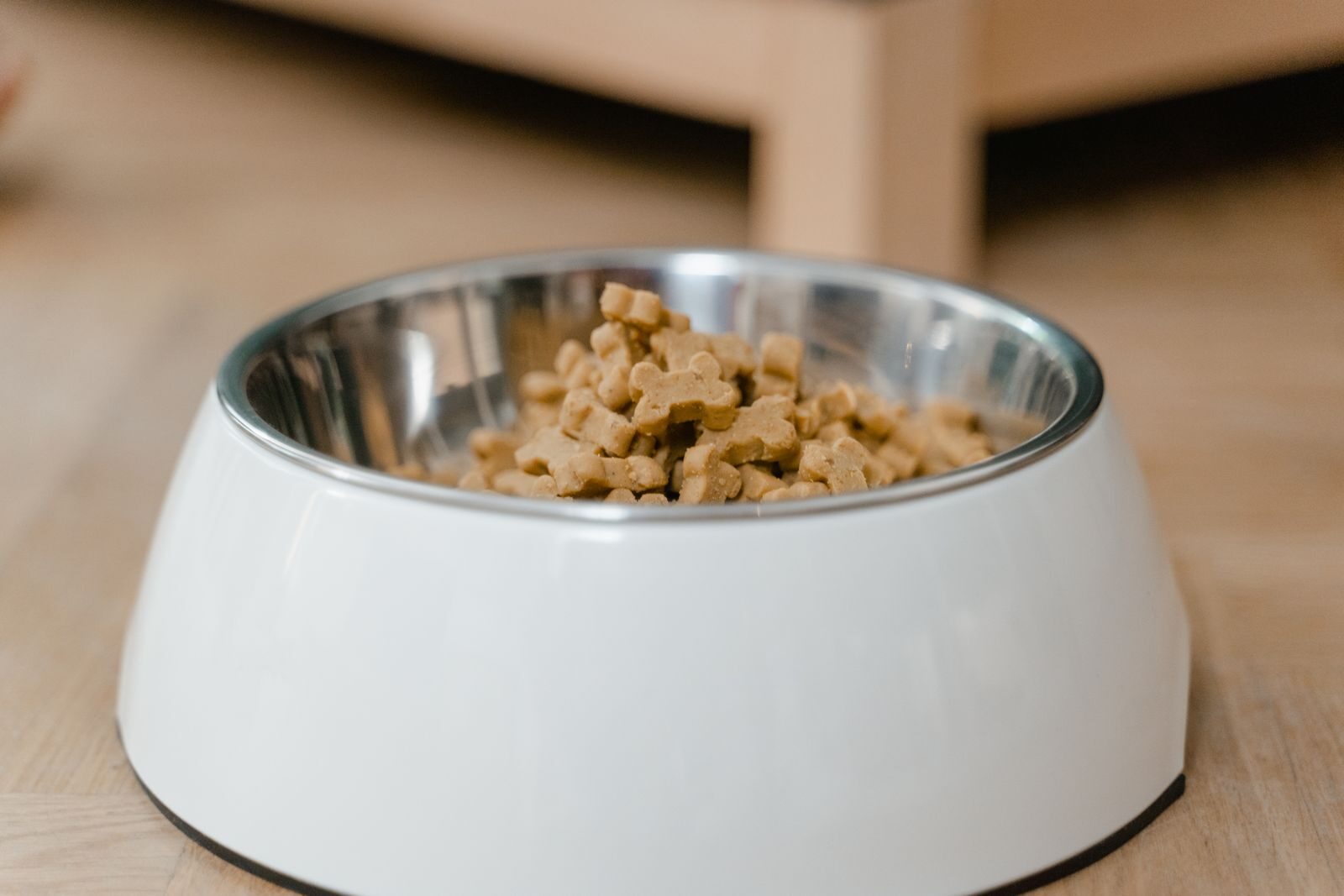
- Food: Guarding their kibble, treats, or even your meals.
- Toys: Protecting their ball, tug rope, or chew toys.
- Bedding/Resting Areas: Guarding their bed or favourite blanket.
- Your Attention: In some cases, guarding can extend to favourite activities or even your lap.
Signs of resource guarding can range from subtle to overt. Watch for:
- Body Language: Stiffening, raised hackles, lowered lip (smiling), growling, staring intently.
- Verbal Cues: Low growl, warning bark, snapping.
- Overt Actions: Stealing items, chasing people away, attempting to bite.
It’s important to note that not all guarding is problematic. Guarding behaviour can be appropriate in certain contexts, like protecting a vulnerable family member (though this should always be evaluated carefully by a professional).
Why Does Resource Guarding Happen?
Understanding the root causes helps in addressing the behaviour effectively:
- Instinct: Protecting resources is an innate behaviour for many animals.
- Learned Behaviour: Dogs can learn guarding is effective if they’ve successfully gotten resources this way in the past.
- Past Experiences: Negative experiences, like being approached while eating by unfamiliar dogs or people, can trigger guarding.
- Lack of Socialization: Dogs that haven’t learned appropriate resource sharing may be more likely to guard.
- Fear: Sometimes, guarding is a response to fear or anxiety about losing something important.
In Edmonton, where dogs enjoy outdoor spaces like Nose Creek Park or Stanley Park, reinforcing positive interactions and appropriate resource handling is vital.
Prevention and Early Intervention Strategies
Stopping resource guarding early relies heavily on prevention and consistent management. Here are practical steps you can implement:
1. Consistent Management
- Supervised Access: Control access to resources like food bowls, favourite toys, and resting areas, especially during high-risk times (e.g., meal times).
- Scheduled Breaks: Encourage sharing by having your dog take breaks from their resource. For example, if they’re guarding their bed, have them get up and play briefly before returning.
- Positive Distraction: When you approach their resource area, use high-value treats or toys to distract them positively.
- Use of Barriers: Baby gates or playpens can help separate your dog from resources when you need to enter their space.
2. Management of Resources
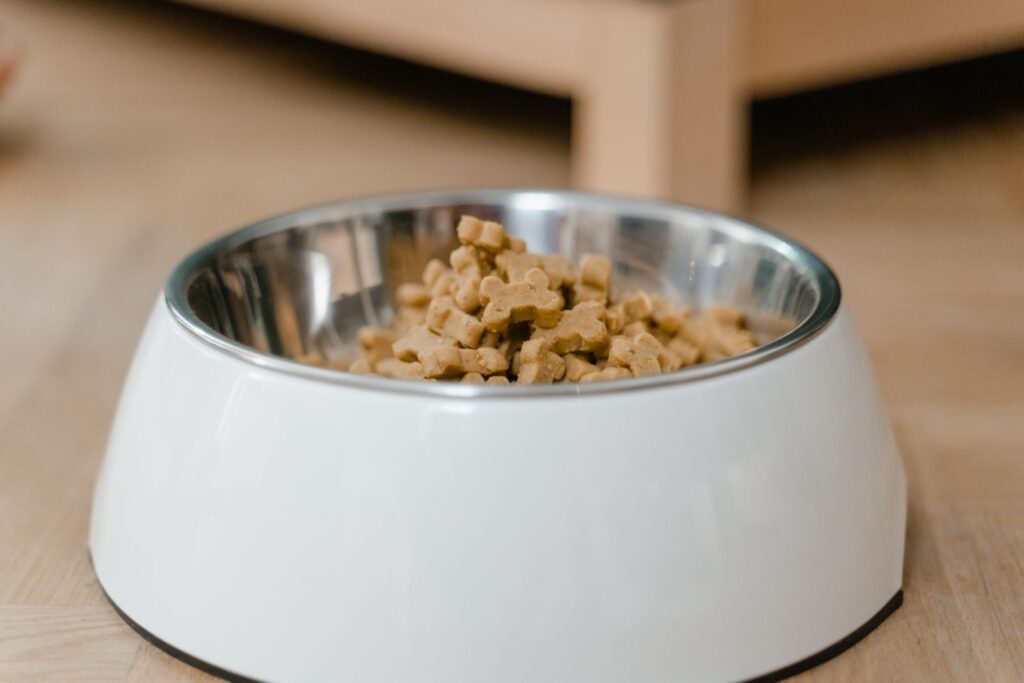
- Food Management: Consider feeding your dog in a separate room or on a schedule that minimizes guarding opportunities.
- Toy Rotation: Rotate toys regularly so your dog doesn’t become overly attached to one, potentially reducing guarding over that specific item.
- Sharing Practice: Practice sharing controlled resources. Start with low-value items and gradually work up.
3. Positive Reinforcement Training
This is one of the most effective ways to counteract guarding behaviour:
- Teach ‘Leave It’: A crucial command that teaches your dog to drop items on cue.
- Reward Resource Desensitization: Offer highly desirable treats or food from your hand while your dog eats from their bowl. Make this positive and routine.
- Practice Sharing: Use two people or multiple dogs (if appropriate and supervised) to model sharing behaviour. Reward calm participation.
- Enrichment: Provide plenty of opportunities for exercise, play, and mental stimulation to reduce the value your dog places on specific resources.
4. Edmonton-Specific Considerations
Edmonton’s climate and lifestyle offer unique opportunities:
- Outdoor Dining: If you enjoy eating outdoors, keep meals visible but not accessible to prevent guarding.
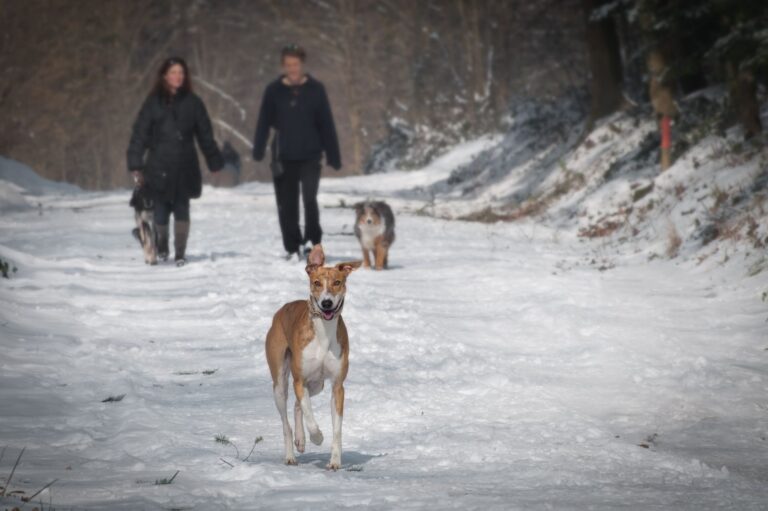
- Park Visits: At places like Churchill Park, be mindful of others. If your dog shows guarding tendencies, keep them on a leash near you while you enjoy the space.
- Community Resources: Edmonton has excellent resources like the Edmonton Humane Society or local pet stores (like PetSmart or Pet Valu) that may offer workshops or consult with professionals.
When to Seek Professional Help
While early prevention is key, sometimes professional guidance is necessary:
- Severe Aggression: If your dog has growled, snapped, or bitten during resource guarding.
- Consistency Issues: If you’re unable to manage the behaviour despite consistent effort.
- Fear-Based Guarding: If the guarding appears linked to fear or anxiety.
Professional help typically involves working with a certified Edmonton animal behaviour consultant or a positive reinforcement trainer. They can provide tailored strategies and help rule out underlying medical issues.
Creating a Harmonious Edmonton Home
Resource guarding doesn’t have to define your relationship with your dog. By starting early, focusing on positive reinforcement, and practicing consistent management, you can help prevent this behaviour or address it effectively.
Remember, patience and consistency are your best tools. Building a trusting relationship where resources are handled positively is the ultimate goal. Edmonton’s dog owners value their pets, and with these strategies, you can foster a safer, more harmonious environment for all.
If you’re concerned about resource guarding, don’t hesitate to reach out to organizations like the Edmonton SPCA or consult with local experts for personalized advice.
Related posts:
 Crate Training: Your Mississauga Dog’s Secret to Comfort
 Early Steps to Address Resource Guarding in Your Brampton Dog
 Stop Counter-Surfing in Your Toronto Home: A Practical Guide
 Why Dogs Dig: Understanding Furry Archaeologists and How to Manage the Nugget
 Why Positive Reinforcement Training Works Wonders for Edmonton Dogs