In this story
How to Switch Your Dog’s Food Safely in Montreal
As a proud Montreal pet parent, you know your furry companion deserves the best care, especially when it comes to their diet. Sometimes, changing dog food is necessary for various reasons—perhaps you’re looking for a more natural option, trying to manage dietary sensitivities, or simply wanting to try a new brand that’s locally available or made by small Canadian makers. While it might seem straightforward, how you transition your dog’s food is just as important as why you’re making the change. A sudden switch can lead to digestive upset, including vomiting, diarrhea, and decreased appetite, which no Montreal dog lover wants. This guide will walk you through the steps to safely transition your dog to their new food, ensuring their tummy stays happy and healthy.
Why a Safe Transition Matters
Dogs, much like humans, don’t have the ability to instantly process a completely different diet. Their digestive systems need time to adjust to new ingredients and different nutritional profiles. When you switch dog food abruptly, the sudden change in bacteria and nutrients in their gut can lead to gastrointestinal distress. In Montreal, where we love our four-legged friends and want them to be as comfortable as possible, a gradual transition is the kindest and most effective approach.
Step-by-Step Guide to Transitioning Your Dog’s Food
Transitioning your dog’s food doesn’t have to be complicated. Follow these steps to make the process smooth and minimize the risk of digestive issues:
1. **Start with Short的通知 (Partial Mixing Method)”
Begin by mixing the new food with the old food. Start with a small ratio—perhaps 25% new food to 75% old food. For example, if your dog eats one cup of food, mix in a quarter cup of the new food.
2. **Gradually Increase the Ratio”
Over several days or a week, slowly increase the proportion of the new food while decreasing the old food. A common approach is to increase the new food by 25% every 2-3 days until the old food is completely phased out. Here’s a simple schedule to follow:
- Day 1-2: 75% old food, 25% new food
- Day 3-4: 50% old food,
- Day 5-6: 25% old food, 75% new food
- Day 7+: Fully switch to new food
3. **Monitor Your Dog Closely”
This is the most crucial part. Watch your dog for any signs of digestive upset during the transition. Look for:
- Changes in stool consistency (more frequent, softer stools)
- Gastrointestinal upset (vomiting, diarrhea)
- Loss of appetite
- Lethargy or decreased energy levels
- Increased gas or discomfort
If you notice any of these signs, slow down the transition process or even go back to the previous ratio. If symptoms persist, consult your veterinarian.
4. **Consider the Timing”
The duration of the transition depends on the difference between the old and new food. If switching between similar brands or formulas, a 7-day transition might suffice. However, if the new food is significantly different (e.g., from a basic kibble to a grain-free, high-meat-content formula, or vice-versa), you might need to extend the transition period to 10-14 days.
5. **Introduce the New Food in a Separate Dish”
Keep the old and new food in separate, clean dishes to avoid cross-contamination and help your dog mentally associate the new dish with something different.
6. **Maintain Consistency”
Once you’ve fully switched to the new food, stick with it. Consistency helps your dog’s digestive system stabilize. Remember to store the new food properly in a cool, dry place.
Common Mistakes to Avoid
- Don’t Switch Too Quickly: This is the most common mistake and can lead to digestive issues.
- Don’t Skip the Introduction Period: Even if your dog seems eager for the new food, give their digestive system the time it needs.
- Don’t Assume All Sudden Changes Are Bad: While digestive upset is common, some dogs adapt quickly. However, it’s always better to transition gradually.
- Don’t Neglect to Read the Labels: Ensure the new food meets your dog’s nutritional needs (age, size, activity level, any health conditions).
When to Consult Your Veterinarian
While a gradual transition usually works well, there are times when you should consult your vet before or during the switch:
- Your dog has a sensitive stomach or existing digestive issues.
- Your dog has a history of food allergies or sensitivities.
- You’re switching to a completely different diet for a health condition (e.g., renal disease, allergies).
- Your dog is a puppy, senior, or has underlying health concerns.
Your veterinarian can provide tailored advice, recommend appropriate foods, and help you manage any health conditions.
Resources in Montreal
If you’re looking for recommendations for high-quality dog food or understanding your dog’s nutritional needs, your local veterinarian is the best resource. Many Montreal veterinary clinics offer consultations on pet nutrition.
Final Thoughts
Transitioning your dog’s food is a common task for Montreal dog owners, but doing it the right way ensures your best friend remains comfortable and healthy throughout the process. By following a gradual approach and monitoring your dog closely, you can successfully introduce new foods and keep your furry companion happy and thriving in the City of Montreal.
Happy transitioning!
Related posts:
 Understanding and Managing Your Dog’s Fall Allergies in Montreal
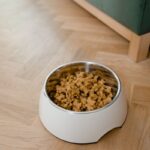 A Gentle Guide to Switching Your Dog’s Food in Vancouver
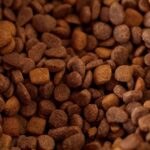 A Gentle Guide to Switching Your Ottawa Dog’s Food
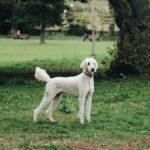 Unlock Your Dog’s World: Decoding Montreal Dog Body Language
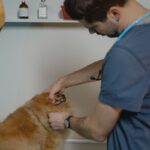 Keep Your Montreal Dog’s Smile Bright: A Guide to At-Home Teeth Brushing