In this story
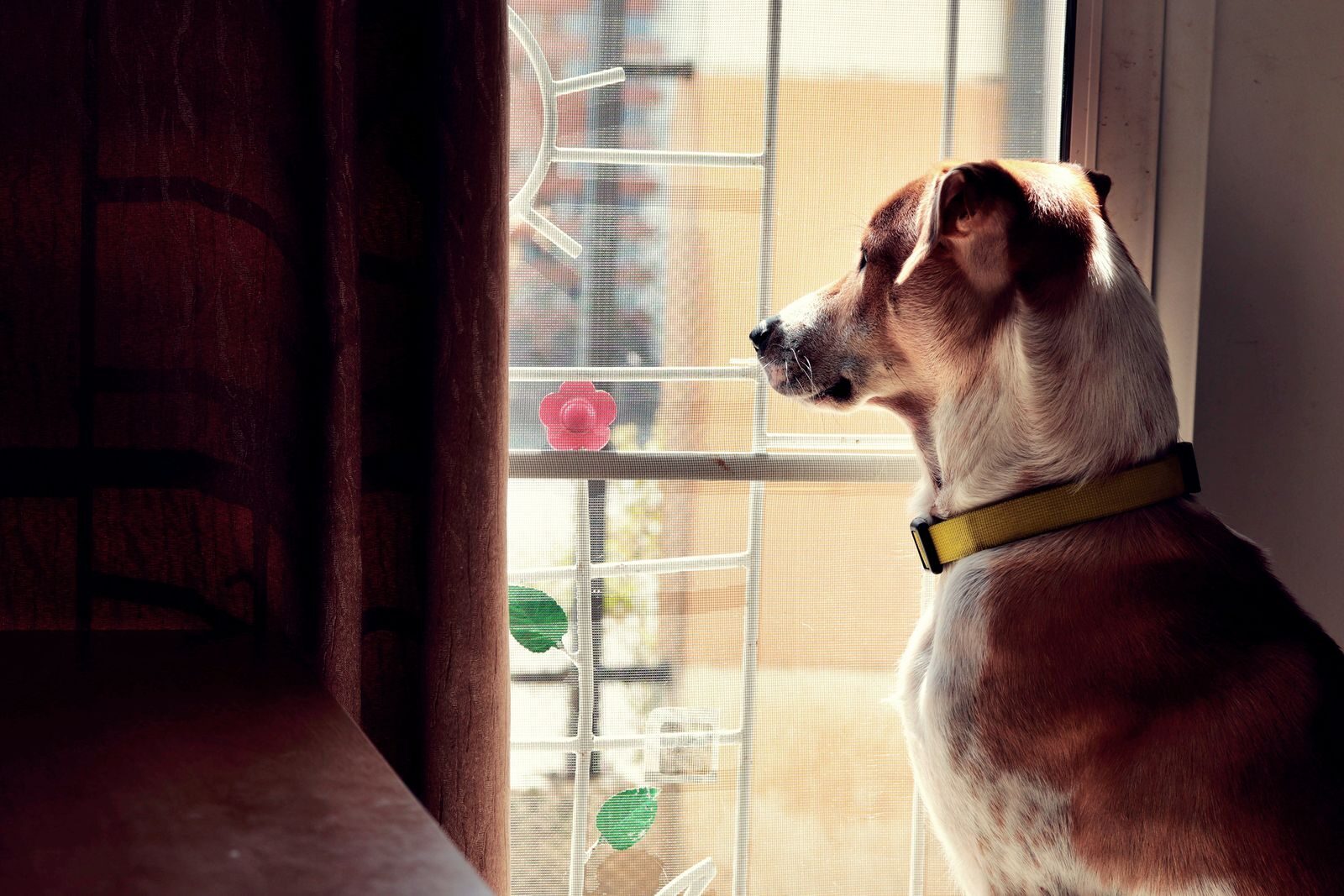
Understanding Separation Anxiety in Your Hamilton Dog
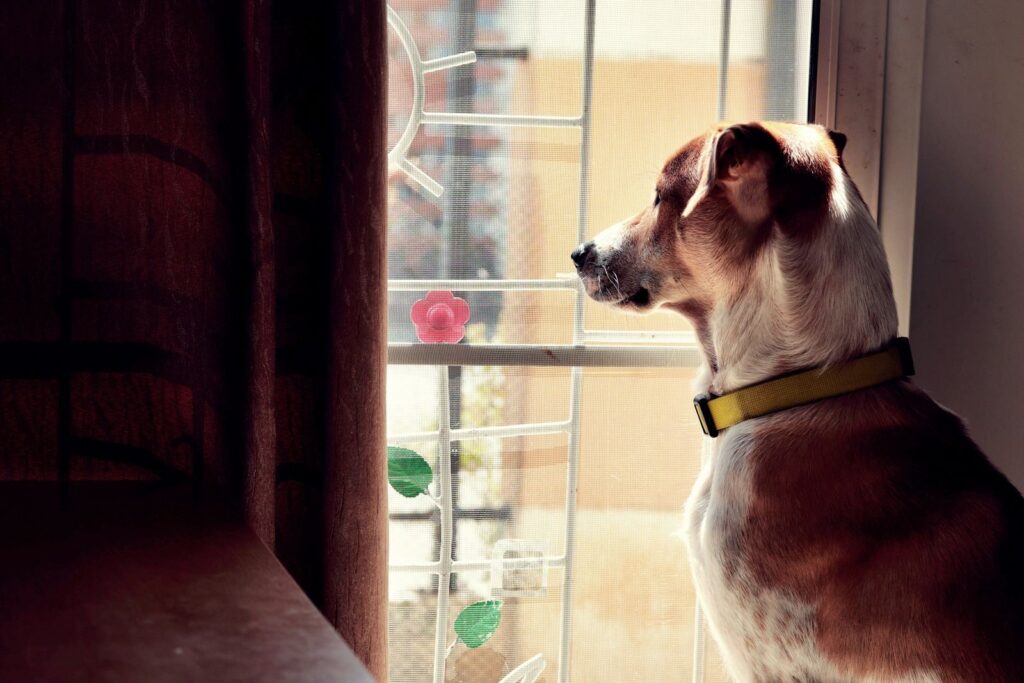
Seeing your dog anxious when you leave can be heartbreaking. This common issue often stems from fear or learned behaviour. It’s not just simple boredom; it’s a stress response. Hamilton dog owners, understanding the root cause is the first step towards helping your furry friend feel secure alone. Dogs are pack animals, and some feel stressed when their pack (you!) leaves the house.
Common Causes and Contributing Factors
Several factors can contribute to separation anxiety:
- Learned Behaviour: Your dog may have learned that anxiety gets attention (like yours trying to comfort them).
- Inadequate Socialization: Early experiences can shape your dog’s comfort with being alone.
- Past Trauma: Negative experiences when left alone can linger.
- Lack of Resources: Insufficient toys or a safe space can increase stress.
- Underlying Health Issues: Sometimes, anxiety can be linked to pain or discomfort.
Prevention: Building Confidence from the Start
The best time to address separation anxiety is before it starts!
- Gradual Departures: Practice leaving your dog alone for short periods and gradually build up the time.
- Positive Associations: Make departures low-key. Don’t act overly emotional or give excessive good-bye attention.
- Resource Placement: Put safe chew toys or puzzle toys (like the popular Kong) in areas where your dog often follows you. This provides a focus when you leave.
- Consistent Alone Time: Ensure everyone in the household leaves and returns calmly.
- Pre-Job Departures: If you work, leave earlier than your typical departure time to build tolerance.
Management Techniques for Hamilton Residents
If your dog already shows signs of separation anxiety, these strategies can help:
Creating a Safe Haven
- Designate a Quiet Space: Choose a room or corner that’s usually calm. Use soft blankets and provide access to water.
- Hamilton Parks Access: Ensure your dog has access to a securely fenced yard for exercise before you leave and can enjoy time outside safely.
Managing Departure Cues
- Minimize Attention: Keep good-bye gestures low-key. Avoid overly excited greetings.
- Return Calmly: Come back quietly to avoid reinforcing anxious behaviour.
Enrichment is Key
- Food Puzzles: Hamilton pet stores (like PetSmart or Pet Palace) often have enrichment toys. Food-dispensing toys can keep your dog mentally stimulated.
- High-Value Training: Practice commands like ‘leave it’ or ‘go to mat’ when you plan to leave. Reward calm behaviour.
- Treats and Chewing: Provide safe chew toys or slow-release treats designed for dogs (like those from small Canadian pet companies).
Exercise and Burnout
- Sufficient Mental and Physical Stimulation: Ensure your dog gets enough daily exercise. A tired dog is often more resilient. Hamilton has great parks like Riverfront Park for off-leash fun.
Professional Help: When to Seek Assistance
If home strategies aren’t working, consult:
- Your Hamilton Veterinarian: Rule out any medical causes.
- Certified Professional Trainer: Look for trainers with experience in fear-based issues.
- Animal Behaviourist: A consultation can provide personalized strategies.
Medication
In severe cases, a vet might recommend medication as part of a comprehensive treatment plan.
Resources for Hamilton Dog Owners
- Hamilton Humane Society: Offers workshops and resources.
- Local Veterinary Clinics: Your vet is a good starting point.
- Community Groups: Search for ‘dog training Hamilton’ to find local classes.
Remember
Patience and consistency are crucial. Celebrate small successes. With time and effort, most dogs can learn to feel comfortable being alone.
Compassion Matters
Addressing separation anxiety requires understanding and kindness. By working together, you can help your Hamilton dog feel safer and more secure when you’re away.