In this story
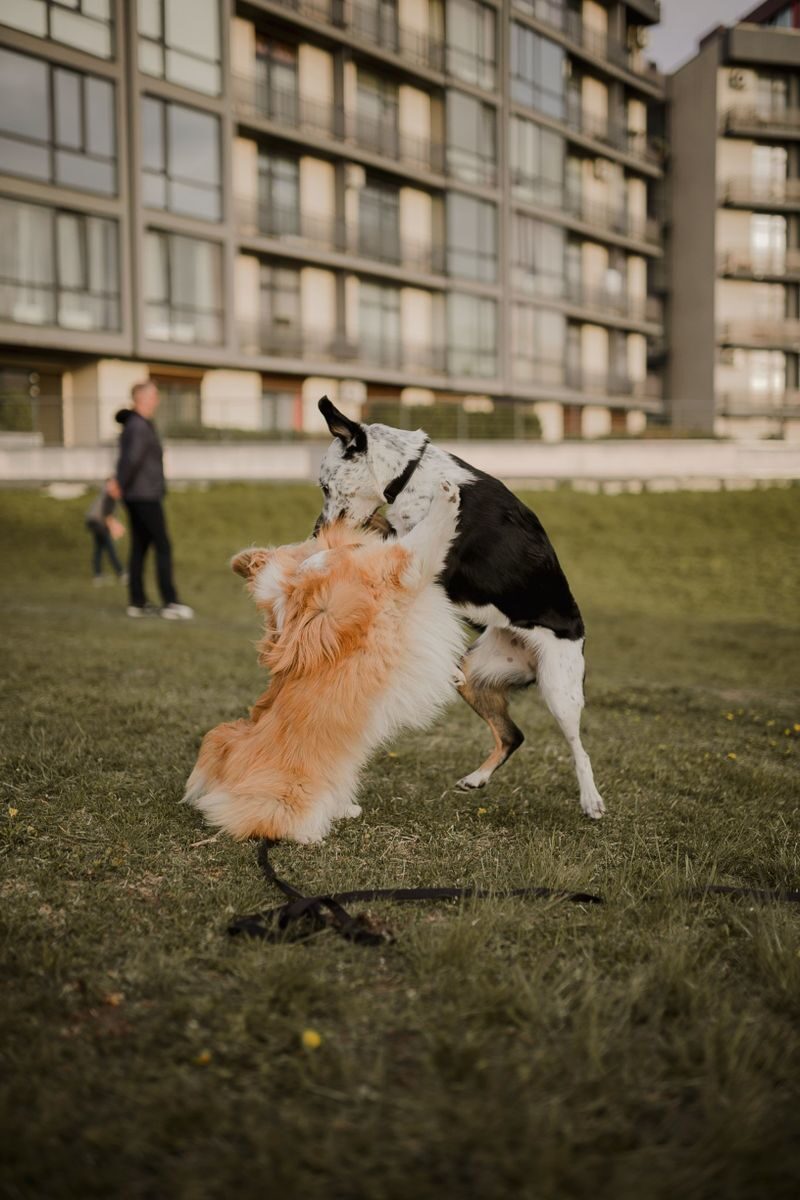
Winnipeg Dog Exercise: How Much Really Counts?
Ah, Winnipeg. Land of beautiful winters and pleasant summers, home to some of Canada’s friendliest dogs. But sometimes, those four seasons (especially winter!) can make getting your dog outside a bit of a challenge. “How much exercise does my dog really need anyway?” you might ask. It’s a great question, especially when the weather turns less than ideal.
The good news? Understanding your dog’s individual needs is key to keeping them happy, healthy, and well-behaved. Exercise isn’t just about burning energy; it’s crucial for their physical health, mental stimulation, and emotional well-being. And in a city like Winnipeg, finding the right balance is part of being a responsible dog owner.
Let’s break down what really matters for your Winnipeg pooch.
More Than Just Leash Wandering
Think of exercise as a combination of physical activity and mental engagement. Both are vital.
- Physical Activity: This includes running, playing, swimming, hiking, fetching, and structured walks. It helps maintain a healthy weight, supports cardiovascular health, and strengthens muscles.
- Mental Stimulation: This is about keeping your dog’s brain active. Activities like puzzle toys, training sessions, obedience commands, scent work, and exploring new environments count. A tired dog is often a happy dog!
Key Factors Influencing Your Dog’s Needs
No single answer fits all dogs. Several factors determine how much exercise your Winnipeg dog requires:
1. Breed Matters
*   **High Energy Breeds:** Hounds, Retrievers, Terriers, Border Collies, and many Mixed Breeds with high-energy lines need significantly more activity. Think long walks, hikes, playdates, and even canine sports.
*   **Moderate Energy Breeds:** Many popular family dogs (Labrador Retrievers, Golden Retrievers, German Shepherds, Boxers) need consistent exercise but may tolerate slightly less intense activity than extremes.
*   **Low to Medium Energy Breeds:** Greyhounds, Basset Hounds, Shih Tzus, Pugs, and many hound types generally need less intense or shorter exercise sessions. However, they still need *some* daily activity and mental engagement to prevent boredom.
2. Age is Crucial
*   **Puppies:** Exercise needs are different from adults. Puppies need short, frequent breaks (5-10 minutes, multiple times a day) and lots of play. Avoid intense exercise or long walks. Focus on their developmental needs.
*   **Adults:** This is where most owners fit in. Depending on the breed and individual energy level, adults need anywhere from 30 minutes to 2+ hours of activity daily.
*   **Seniors:** Older dogs often have reduced energy levels and may develop health issues like arthritis. Moderate, low-impact exercise (gentle walks, swimming) is best, tailored to their changing needs.
3. The Weather, Winnipeg-Style
*   **Warm, Sunny Days:** While pleasant for us, the pavement can get hot quickly, risking paw burn. Early morning or evening walks are ideal. Ensure access to shade and water.
*   **Cool, Pleasant Days:** These are prime walking weather! Enjoy the parks and trails.
*   **Winter:** Ah, the real Winnipeg challenge! Shorter daylight hours, biting cold, and snow/slush mean fewer opportunities for outdoor exercise. This is precisely when indoor activities become essential.
    *   **Indoor Exercise:** Tug-of-war, fetch with a soft toy, indoor agility setups, puzzle toys, and even just playing 'find the treat' around the house count. Don't underestimate the power of a fun game!
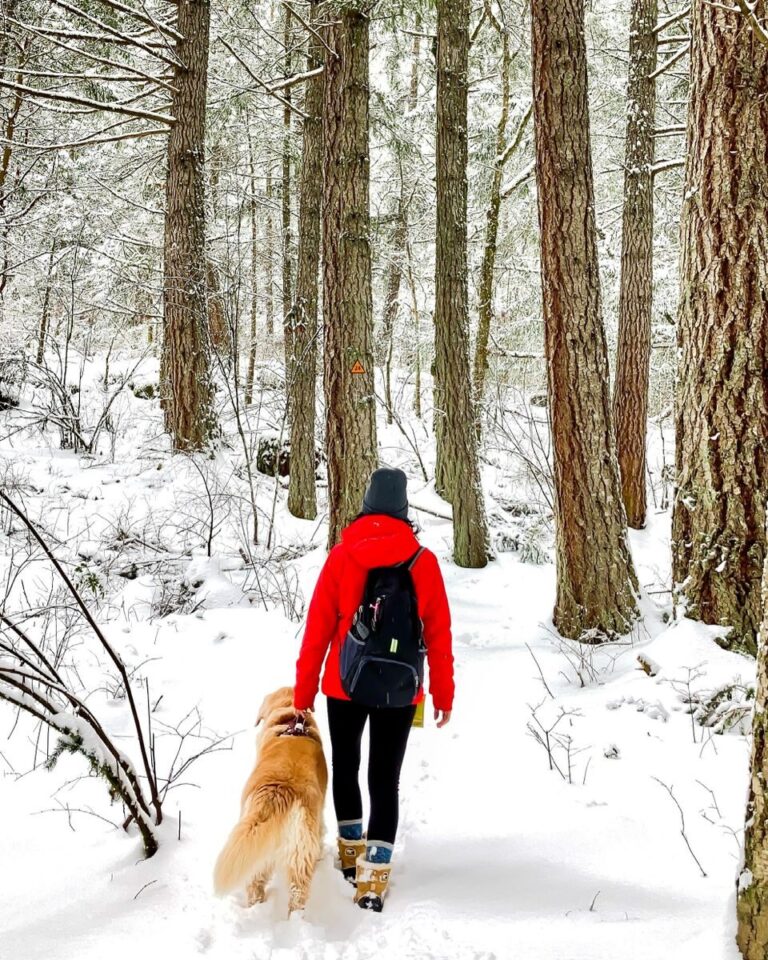
    *   **Outdoor Winter Exercise:** When conditions permit (packed snow/slush, below -15°C is risky for paws and lungs, check weather forecasts carefully), consider snowshoeing (if your dog enjoys it), using snow pants, or simply short, frequent walks on cleared paths. Always check paw pads for ice and use booties if necessary.
4. Your Dog’s Unique Personality
*   Some dogs are naturally more energetic, while others are calmer. Consider their individual energy level and whether they seem satisfied with the amount of activity they're getting.
*   Does your dog love going to the dog park, or do they prefer quiet strolls?
*   Observe your dog! If they seem energetic, need to go outside frequently, or get destructive when bored, they likely need more exercise/mental stimulation.
Building Your Winnipeg Dog’s Exercise Routine
Aim for a balanced routine that includes both physical activity and mental engagement. Here’s a general guideline, but adjust based on the factors above:
Daily Walks
*   **Minimum:** Most dogs benefit from *at least* one walk of 15-30 minutes daily, even for calmer breeds. This helps with housetraining (housebreaking) and provides basic stimulation.
*   **Ideal:** 30-60 minutes of walking most days of the week is common for many Winnipeg dogs.
*   **Vary It:** Don't just walk the same route every day. Explore new areas, visit different parks, or try varying the pace (speed walking, jogging, or just strolling).
Additional Physical Activity
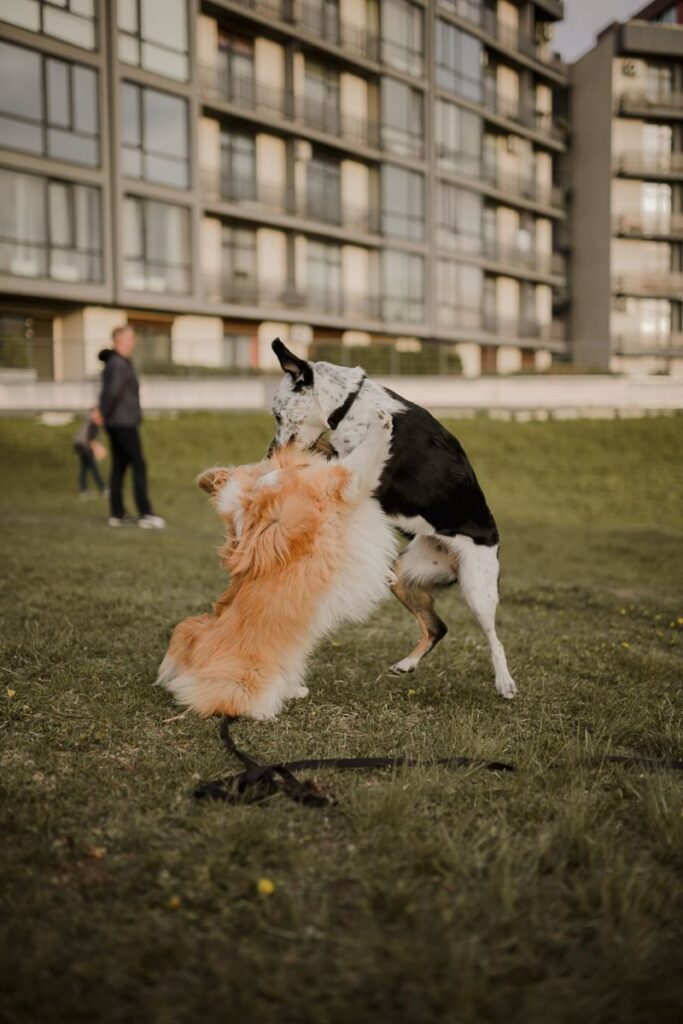
*   **Leash-Free Fun:** Use a secure, fenced yard or visit an off-leash area like Como Park's designated zones (check regulations) or Kildonan Park for controlled off-leash play. This allows running, playing, and sniffing.
*   **Trail Walking:** Winnipeg boasts excellent paved and natural trails (like the Broadway Trail). Hiking is also popular in many parks.
*   **Fetch & Play:** A simple game of fetch in the yard or on walks is great fun and exercise.
*   **Winter Adaptation:** In winter, keep walks shorter but more frequent if possible. Focus on indoor activities on really cold days.
Mental Stimulation
*   **Daily Must:** Incorporate mental breaks daily. Food puzzles, treat hiding games, simple training exercises, or introducing novel scents work wonders.
*   **Prevent Boredom:** Boredom can lead to destructive chewing or excessive barking. Ensure your dog has enough to do to burn off mental energy.
Navigating Winnipeg’s Parks and Trails
Winnipeg is fortunate with numerous public spaces:
- Major Parks: Assiniboine Park, Kildonan Park, Como Park, Memorial Park – these offer open spaces for walking and play.
- Paved Trails: The Broadway Trail system is extensive and easy to navigate. Other options include the Red River pathway.
- Dog Parks: Designated off-leash areas exist, but always be a responsible owner: clean up after your dog, watch for other dogs’ health, and ensure your dog gets enough breaks if needed.
- Local Greenspaces: Many neighbourhoods have small community parks perfect for quick walks.
When to Reconsider Exercise
*   **Young Puppies:** Too much exercise can hinder development. Stick to short, gentle sessions.
*   **Older Dogs:** Adjust intensity and duration based on their energy and health.
*   **Illness or Injury:** If your dog is recovering from something, consult your vet about appropriate activity levels.
*   **Extreme Weather:** Pay close attention to heat and cold. Never leave your dog in a car in hot weather. In extreme cold, keep walks brief and protect paws.
The Takeaway for Winnipeg Dog Owners
There’s no one-size-fits-all answer for how much exercise your Winnipeg dog needs. It’s about understanding your dog’s unique combination of breed, age, energy level, and your local climate. Aim for a mix of physical activity and mental engagement daily, adjusting as needed for the season and your dog’s individual requirements.
Whether it’s a brisk walk along the Red River, a romp in the yard, or a cozy indoor game, ensuring your dog gets enough activity is essential for their well-being in the beautiful city of Winnipeg. Happy exercising!
Pro-Tip: If you’re unsure about your dog’s specific needs, consult your veterinarian or a local Winnipeg dog trainer for personalized advice.