In this story
Finding the Right Balance: Exercise for Your Ottawa Dog
As an Ottawa dog owner, you know that playtime and walks are essential parts of keeping your canine companion happy and healthy. But figuring out just how much exercise your dog really needs can feel like a puzzle. Every dog is an individual, and their exercise requirements depend on a mix of factors specific to them and their environment in Ottawa. Understanding these needs helps ensure your dog gets the right amount of activity without overexertion, especially during our seasonal changes.
What Exactly Counts as Exercise?
Before diving into specific amounts, it’s helpful to understand that exercise for dogs isn’t just about the number of walks. It includes a range of activities that keep them physically and mentally stimulated:
- Leash walks: Building trust, reinforcing commands, and exploring the environment.
- Off-leash playtime: In safe, enclosed areas, allowing natural running and exploration.
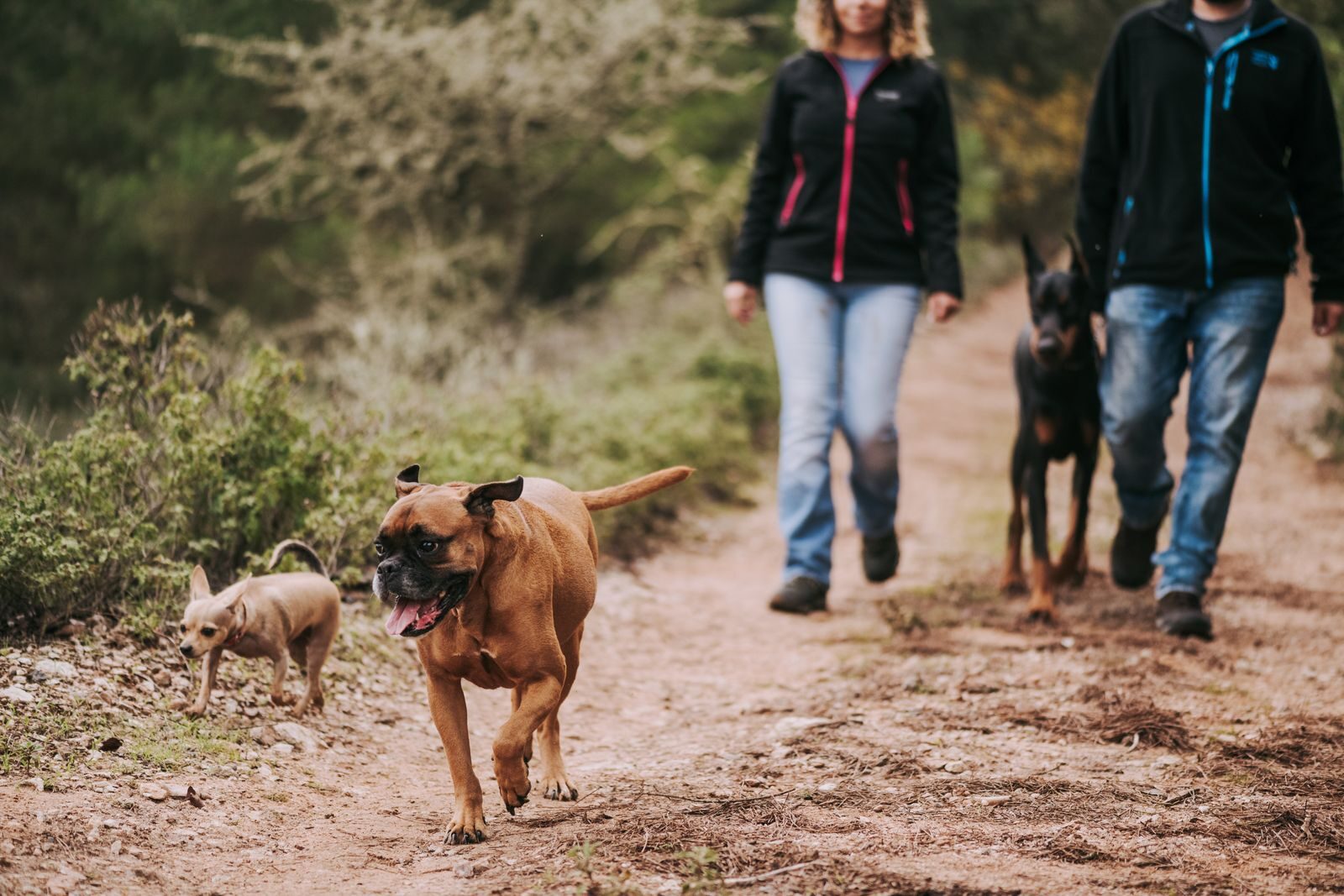
- Hiking or running: Longer adventures on trails like the Gatineau Path System.
- Playdates: Socialization with other dogs at places like Byward Market or the Duck and Cover Dog Park.
- Indoor activities: Training sessions, puzzle toys, or even just lounging together.
Factors Influencing Your Dog’s Exercise Needs
Several key factors determine how much exercise your Ottawa dog requires:
Breed and Genetics
Just like people, dog breeds have different energy levels baked into their DNA. A Border Collie will likely burn more energy in a 30-minute game of fetch than a Basset Hound would in a full day. Consider your dog’s breed standard:
– High-energy breeds (e.g., Siberians, Vizslas, Weimaraners): Typically need 1-2 hours of active daily exercise.
– Moderate-energy breeds (e.g., Golden Retrievers, Boxers, Labrador Retrievers): Usually thrive with 30-90 minutes of daily activity.
– Lower-energy breeds (e.g., Basset Hounds, Cocker Spaniels, Shih Tzus): Often happy with 20-45 minutes of daily exercise.
Age Matters
Even within the same breed, age plays a huge role:
– Puppies: Their exercise needs are different from adults. Too much too soon can harm their developing joints. Focus on short, frequent breaks and play sessions appropriate for their age.
– Adults: Most dogs reach their peak energy levels here, requiring a balanced routine.
– Seniors: Their exercise needs often decrease, but they still need gentle movement to maintain mobility and mental health. Adjust intensity and duration accordingly.
Individual Energy Level and Temperament
Every dog is unique! Some dogs are naturally more energetic, while others are content with quieter activities. Pay attention to your dog’s individual personality and needs:
– Active dogs: Thrive on adventure and interaction.
– Calm dogs: May prefer shorter walks and indoor enrichment.
– Fearful or anxious dogs: Exercise can be a powerful stress reliever, but always prioritize safety and positive experiences.
Health Considerations
Underlying health conditions significantly impact exercise requirements:
– Overweight dogs: Need more activity to help maintain a healthy weight.
– Joint issues: May require low-impact exercises like swimming or controlled walks.
– Brachycephalic breeds (e.g., Pugs, Boxers): Exercise should be gentler in hot Ottawa summers to prevent breathing difficulties.
Weather and Ottawa’s Seasons
Ottawa’s unique climate affects outdoor exercise:
– Hot summer days: Avoid intense exercise during peak sun hours. Provide plenty of water and shade.
– Cold winter days: Shorter, more frequent walks may be better for dogs with thick coats to prevent overheating. Protect paws on icy surfaces.
– All seasons: Always check weather conditions and adjust accordingly, prioritizing your dog’s comfort.
Balancing Exercise with Rest and Recovery
One of the most crucial aspects of canine wellness is balancing activity with rest. Just like humans, dogs need downtime:
Recognizing Signs of Overexertion
It’s easy to want to push your dog to their limits, but listen to their body:
– Heavy panting: More than normal after a walk might indicate overheating or overexertion.
– Lethargy or reluctance: If your dog seems tired or unwilling to continue, it’s time to stop.
– Vomiting or shaking: These can signal distress or heat exhaustion.
– Excessive sleeping afterward: While normal, if it persists, it might indicate overexertion.
The Importance of Quality Rest
Adequate rest isn’t just a break from exercise; it’s vital for muscle recovery, mental well-being, and overall health. Ensure your dog has a comfortable, quiet space to relax.
Building a Sustainable Routine
Consistency is key. Instead of one long walk, try multiple shorter walks throughout the day. This mimics a dog’s natural activity patterns and prevents burnout. Tailor your schedule to your dog’s needs and your family’s lifestyle.
Practical Exercise Ideas for Ottawa Dogs
Ottawa offers fantastic opportunities for canine activity:
Daily Walks
Most dogs need at least one walk per day, but the duration and intensity vary. Aim for:
– Minimum: 20-30 minutes of leash walking most days.
– Ideal: 30-90 minutes, depending on the dog, including sniffing breaks.
Off-Leash Areas
Take advantage of parks like the Duck and Cover Dog Park or Byward Market Square for safe, off-leash fun. Always follow dog park etiquette.
Mental Stimulation
Exercise isn’t just physical! Puzzle toys, training sessions, and foraging games provide valuable mental exercise.
Indoor Activities
During extreme weather, keep your dog engaged indoors with:
– Training sessions: Teach new commands or tricks.
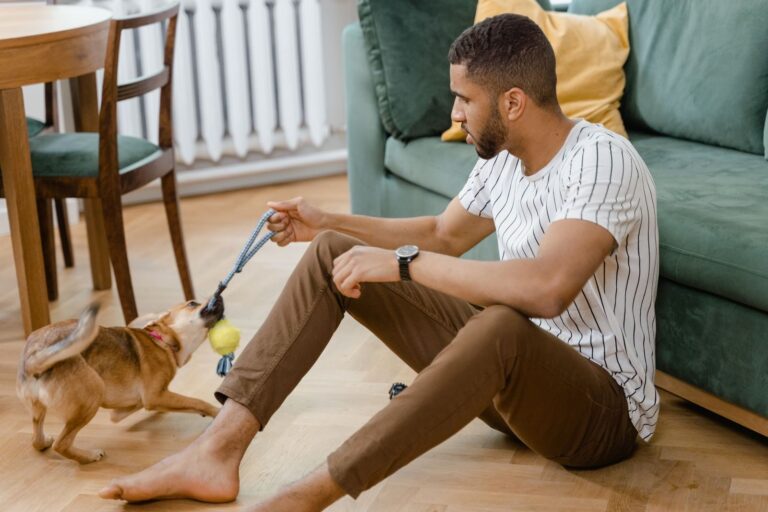
– Fetch or tug-of-war: A great way to burn energy indoors.
– Scent work: Hide treats or toys for your dog to find.
A Word on Consistency and Patience
Finding the right exercise balance isn’t about strict rules; it’s about understanding your dog and adjusting as they grow and change. Be patient, observe your dog’s responses, and consult your veterinarian if you’re unsure about specific needs. Remember, the goal isn’t just a tired dog but a happy, healthy, well-adjusted companion.