In this story
Bringing Tailwinds Home: A Calgary Guide to Welcoming Your New Dog
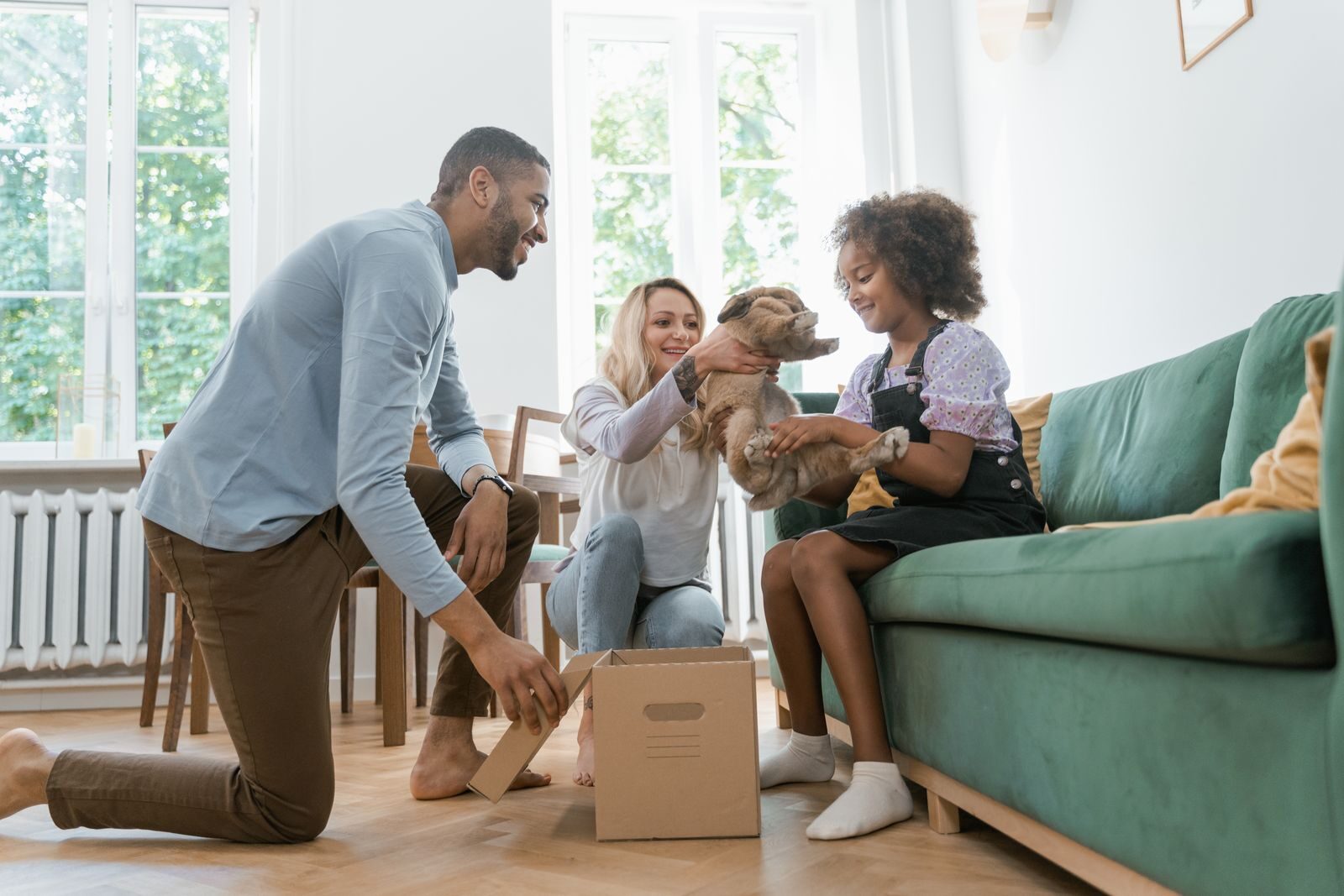
There’s a unique excitement in Calgary when the phone rings and you hear the news: “We’re getting a dog!” The image of a wagging tail, warm greetings, and furry companionship fills the air. But bringing a new dog into your home, especially in a vibrant city like Calgary, requires more than just opening the door. It’s about ensuring a safe, welcoming transition for both your existing pets and your new best friend.
This guide provides practical, step-by-step advice tailored to the Calgary context, helping you navigate the process from preparation to establishing a happy, harmonious multi-dog household or welcoming a furry companion into your two-dog home.
Phase 1: Preparation Before the Pawsitive Arrival
Dog-Focused Prep:
-
Essential Gear: Before the puppy or adult dog even arrives on your doorstep, gather all necessary supplies. This isn’t just about toys and treats; it’s about safety and comfort.
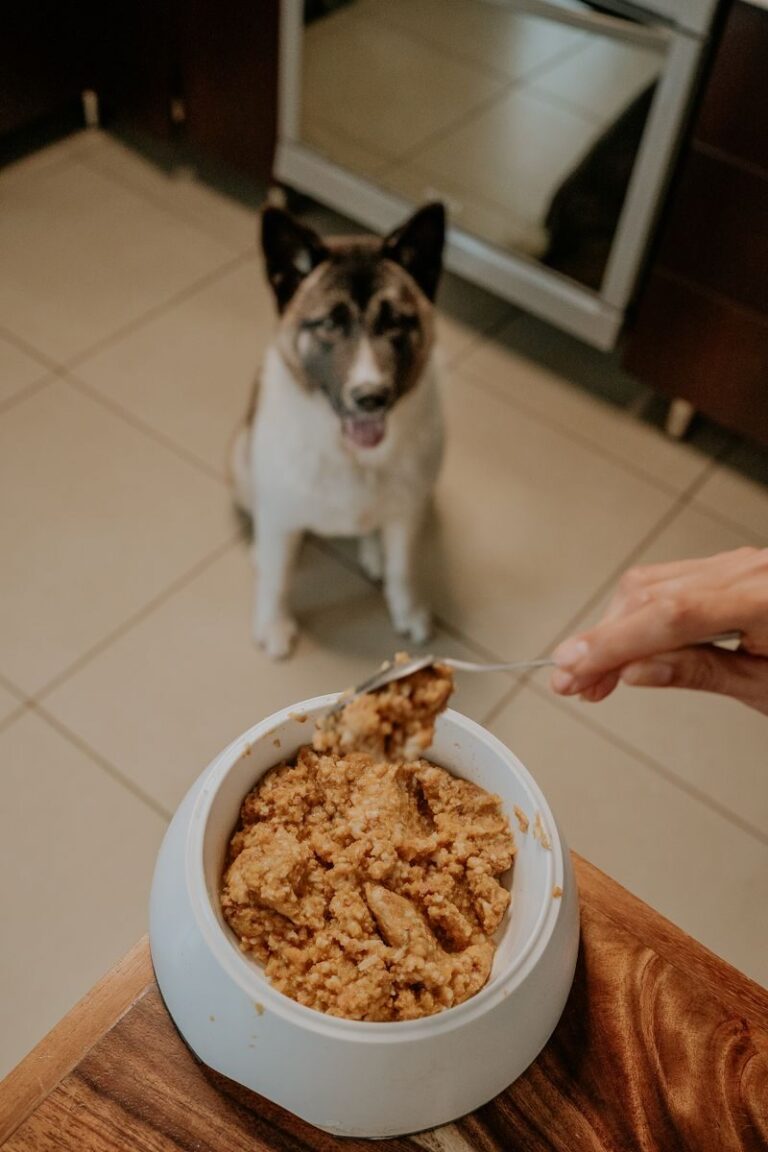
- Food & Bowls: Choose high-quality food appropriate for the dog’s age, size, and energy level (consult your vet for recommendations). In Calgary’s varied climate, ensure bowls are easily cleaned and consider using them indoors during harsh weather.
- Collar, Harness & ID Tags: A sturdy collar or harness is crucial for identification. Ensure ID tags clearly state your name, address, and phone number. Calgary’s open spaces mean your dog needs to be identifiable.
- Crate & Bed: A safe, cozy indoor den (like a crate or a safe room) helps with housetraining and provides a quiet space. Choose bedding that’s comfortable and perhaps Calvet-approved for warmth.
- Toys: Engaging toys (treat balls, durable chew toys, stuffable toys) help prevent boredom and destructive chewing. Local Calgary pet stores often stock unique Canadian-made toys.
- Food-Safe Cleaning Supplies: For accidents during training, have pet-safe cleaners ready.
- Carrier: The dog’s travel carrier is a familiar, den-like space during the initial adjustment period.
- First Aid Kit: A small pet first aid kit can be invaluable. Look for kits made by Canadian brands.
-
Home Prep:
- Designated Zones: Create separate areas for your new dog. This might include their crate, bed, food bowl, and water bowl initially, especially if you have other pets or children.
- Safety Checks: Ensure all potential hazards are secured. This includes covering electrical outlets, securing trash bags, keeping toxic plants out of reach, and ensuring windows have secure screens (especially as Calgary has open-sided homes).
- Potty Area: Designate a specific indoor spot for potty training, perhaps near the outside door for easy access to the yard.
Family Prep:
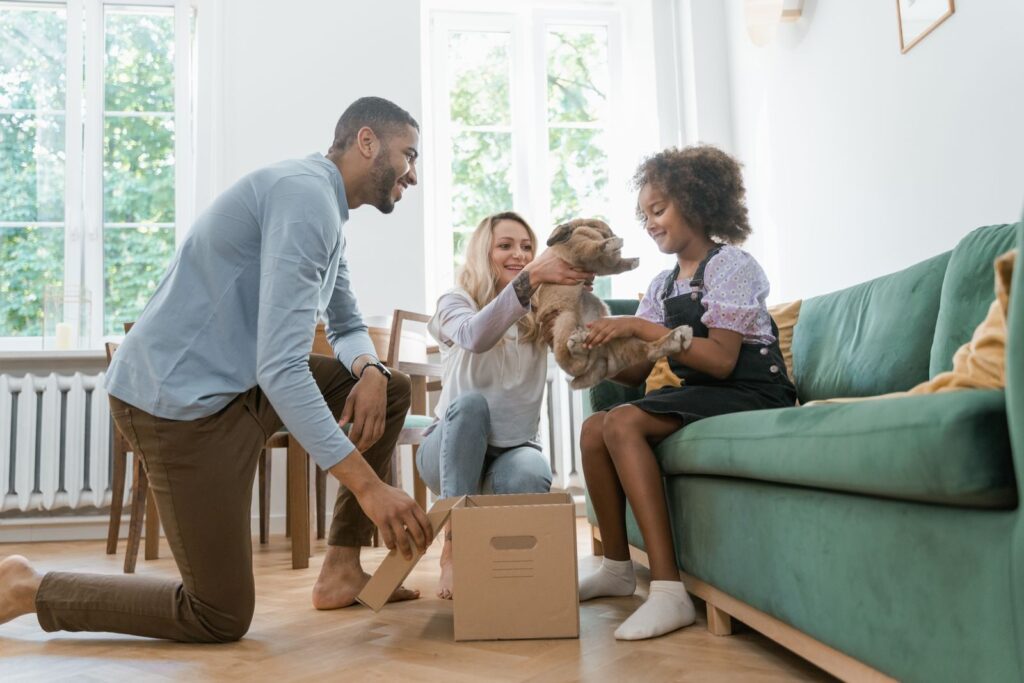
- Explain the Changes: Talk to all family members (and children!) about the new arrival. Explain responsibilities and how they’ll interact. Teach kids gentle handling and to read the dog’s body language.
- Manage Expectations: Understand that adjusting to a new dog takes time. Everyone needs patience.
Phase 2: The Day of Arrival – A Calm Introduction
First Impressions:
- Controlled First Meeting: Have the new dog in their carrier or on a leash (if you have other dogs) in a neutral area like a hallway or bathroom. Open the carrier gently.
- Supervised Interaction: Allow controlled, short interactions. Keep the excitement level calm for everyone. Let them sniff each other briefly through leashes or gates.
- Positive Reinforcement: Reward calm, curious behaviour with treats and praise. Avoid overwhelming the dog or pulling them apart if they seem stressed.
Introducing to Other Pets:
- One at a Time: If you have other dogs, introduce them gradually. Start with controlled face-to-face meetings, then supervised play-offs, rewarding calm behaviour.
- Manage Resources: Keep food, beds, and toys separate initially to prevent resource guarding.
- Be Patient: Introductions can take weeks or even months. Watch for signs of stress or conflict.
Introducing to Children:
- Supervise: Teach children to approach gently and not to disturb the dog when sleeping, eating, or using the bathroom.
- Respect Boundaries: Ensure children understand that the dog needs quiet time too.
Phase 3: Settling In – The First Few Weeks
Establishing Routine & Safety:
- Consistency is Key: Create a schedule for feeding, potty breaks, playtime, and rest. A routine provides security for your new dog.
- Housetraining: Especially crucial for puppies. Use positive reinforcement and be patient. Understand that accidents happen.
- Calgary Considerations: Remember Calgary’s seasons! Ensure your dog has a warm, dry place indoors during winter walks, and access to shade or cooling during hot summer days.
- Safe Spaces: Reinforce the crate or safe room as a positive, quiet retreat.
- Supervised Exploration: Gradually allow your dog to explore more of your home under close supervision.
Managing Anxiety & Separation:
- Gradual Desensitization: If your dog shows fear or anxiety around certain things (like loud noises common in Calgary, or other animals), gradually expose them in a positive way.
- Safe Alone Time: Ensure the crate is a positive place where they can be alone safely.
Enrichment & Socialization:
- Positive Experiences: Expose your dog to different sights, sounds, and gentle handling in positive ways.
- Local Calgary Parks: Gradually introduce your dog to Calgary’s parks, always on a leash initially, ensuring they feel safe and comfortable.
- Consider Training Classes: Enrolling in a Calgary dog training class can be beneficial for socialization, basic commands, and building confidence.
- Community Resources: Calgary Animal Services offers resources and potentially low-cost spay/neuter options.
Ongoing Care & Community Integration
Healthcare:
- Veterinary Care: Schedule a check-up with a vet promptly after arrival. Ensure vaccinations are up-to-date.
- Calgary Pet Wellness: Know where your nearest emergency vet is in case of unexpected issues.
Training & Mental Stimulation:
- Ongoing Learning: Continue training even after basic commands are learned. Puzzle toys and interactive games are great for mental stimulation.
- Positive Reinforcement: Use rewards and patience consistently.
Building Trust:
- Be Patient: Adjusting takes time. Build trust through consistent kindness, understanding body language, and respecting boundaries.
- Know When to Seek Help: If your dog shows persistent fear, aggression, or extreme anxiety, consult a veterinarian or a certified Calgary animal behaviourist.
Enjoy the Journey:
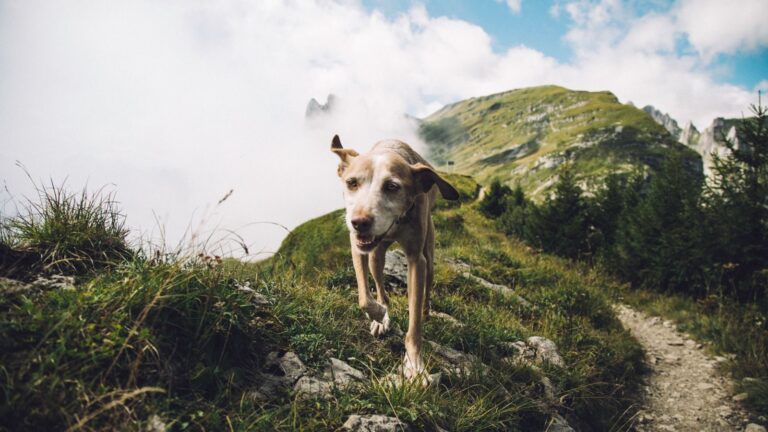
Introducing a new dog to your Calgary home is a rewarding experience. With patience, preparation, and love, you’ll create a safe, welcoming environment where your new best friend can thrive alongside your family and community. Calgary offers wonderful opportunities for outdoor activities with your dog, from exploring Nosehill to enjoying the Bow River pathways.