In this story
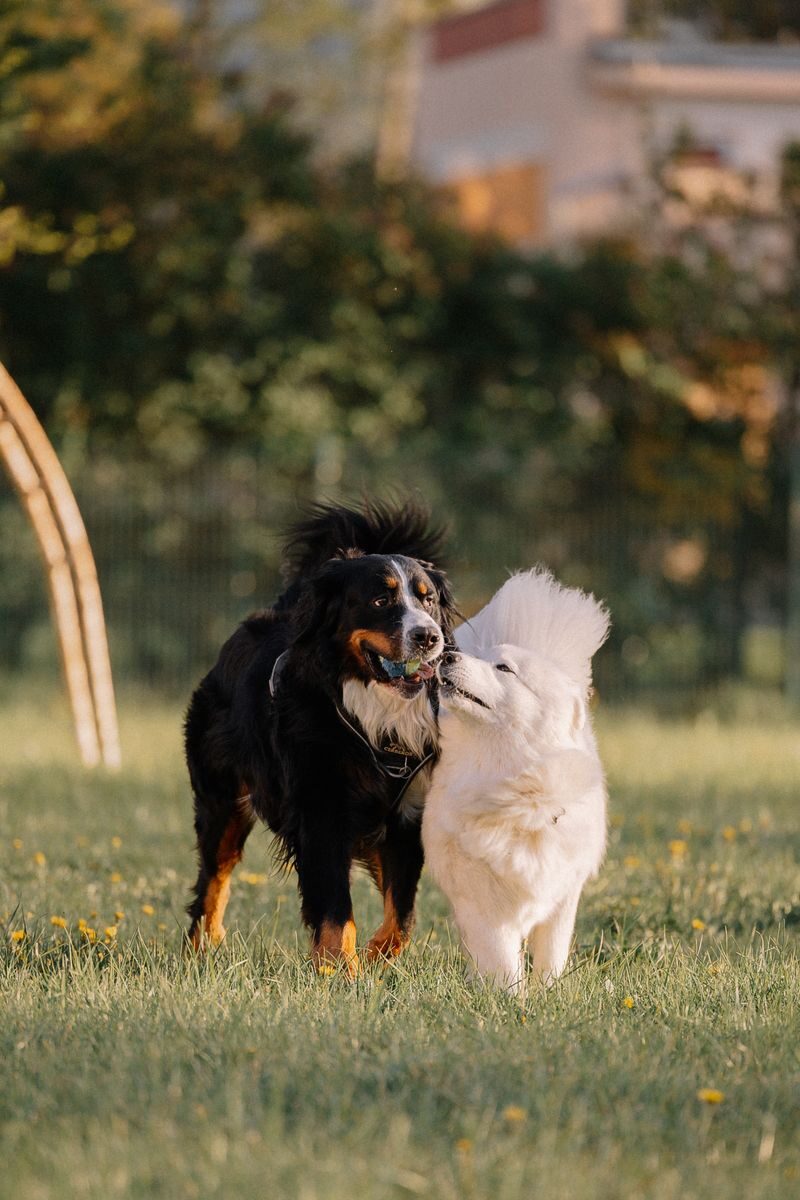
The Social Butterfly: Why Your Winnipeg Dog Needs Friends at Every Age
Winnipeg’s crisp air and friendly communities make it the perfect place for dogs and their human companions. But did you know that your furry friend’s ability to get along with people and other dogs isn’t something that stops developing when they’re a year old? Socialization—the process of learning appropriate interactions—is crucial for dogs of all ages. It’s the foundation for a well-adjusted, confident, and harmonious member of our shared city spaces.
While we often hear about the importance of early socialization for puppies, the truth is, the social butterfly (or perhaps more accurately, the social hedgehog) keeps flying throughout their entire life. Let’s explore why ongoing socialization matters for Winnipeg dogs, from teething puppies to wise seniors.
Beyond the Puppy Stage: Setting Your Dog Up for Success
We all remember the advice for puppy owners to expose their new pups to as much positive new experience as possible in those critical first 16 weeks. This early exposure helps them learn that the world (mostly!) is a friendly place. They develop crucial social skills—learning who is safe to approach, how to interact appropriately with other dogs, and how to manage their own excitement or fear.
But here’s the thing: these skills require constant reinforcement and refinement. A well-socialized puppy can blossom into a confident adult, but without continued positive experiences, those early foundations can become shaky.
The Adult Dog: Navigating Winnipeg’s Social Landscape
As dogs mature, their social needs don’t disappear. Adult dogs still benefit immensely from continued socialization:
-
Maintaining Confidence: Life in Winnipeg involves navigating busy sidewalks, unexpected encounters, and the occasional less-than-ideal situation. Regular, positive social interactions help adult dogs maintain their confidence and composure in these everyday scenarios.
-
Adapting to Changes: Even well-socialized adults can face new challenges—perhaps a new family member, a change in routine, or encountering a different type of environment. Continued exposure helps them adapt without becoming anxious or fearful.
-
Managing Resources: Socialization helps dogs learn appropriate ways to access resources like food, toys, or resting spots without conflict. This prevents resource guarding issues down the road.
-
Strengthening Bonds: Positive interactions with other dogs and people reinforce the strong bond you share with your Winnipeg companion. It’s a shared activity that enriches both their lives.
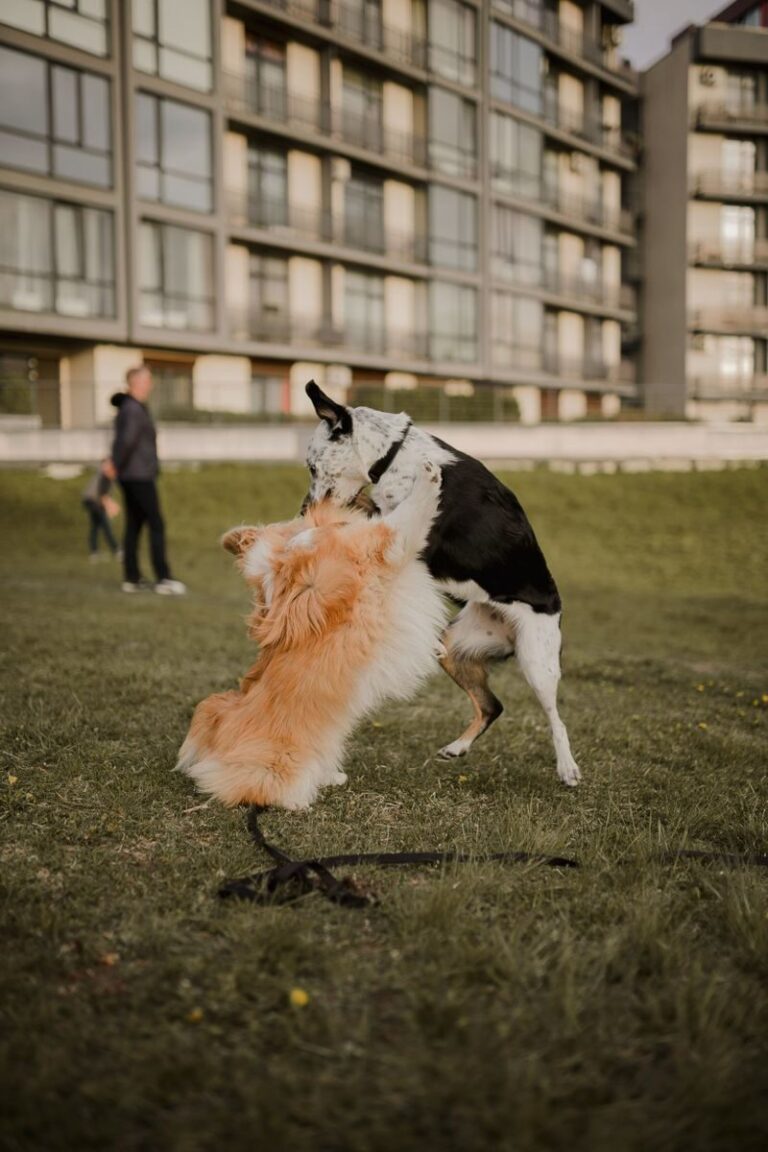
Think about FortWhyte Alive or the Osborne Park dog run. These are Winnipeg gems where dogs can practice their social skills. Visiting these spaces regularly, under appropriate supervision, helps adult dogs maintain their social rhythm.
The Golden Years: Socialization for Senior Dogs
Often overlooked, socialization remains vital for our senior dogs. As they slow down physically, their mental stimulation through positive social interactions becomes even more crucial:
-
Mental Stimulation: Interactions with familiar dogs and humans provide valuable mental exercise, helping to keep their minds sharp and preventing cognitive dulling.
-
Reduced Anxiety: Knowing they are welcome and accepted in familiar social settings can reduce separation anxiety and other age-related fears.
-
Comfort and Well-being: Feeling included in the social fabric of their household and community contributes significantly to a senior dog’s overall comfort and well-being.
Even a gentle walk through a quiet part of Kinsmen Park or a visit to the local library’s pet-friendly events (when available) can provide valuable social interaction for your older dog.
Why Winnipeg? Our Community Matters
Living in Winnipeg offers unique opportunities for socialization. From the sprawling green spaces like Bannatyne Trails to the urban charm of the Downtown Dog Park, our city provides ample chances for dogs to meet and interact with others.
These Winnipeg-specific public spaces are essential for reinforcing social skills:
-
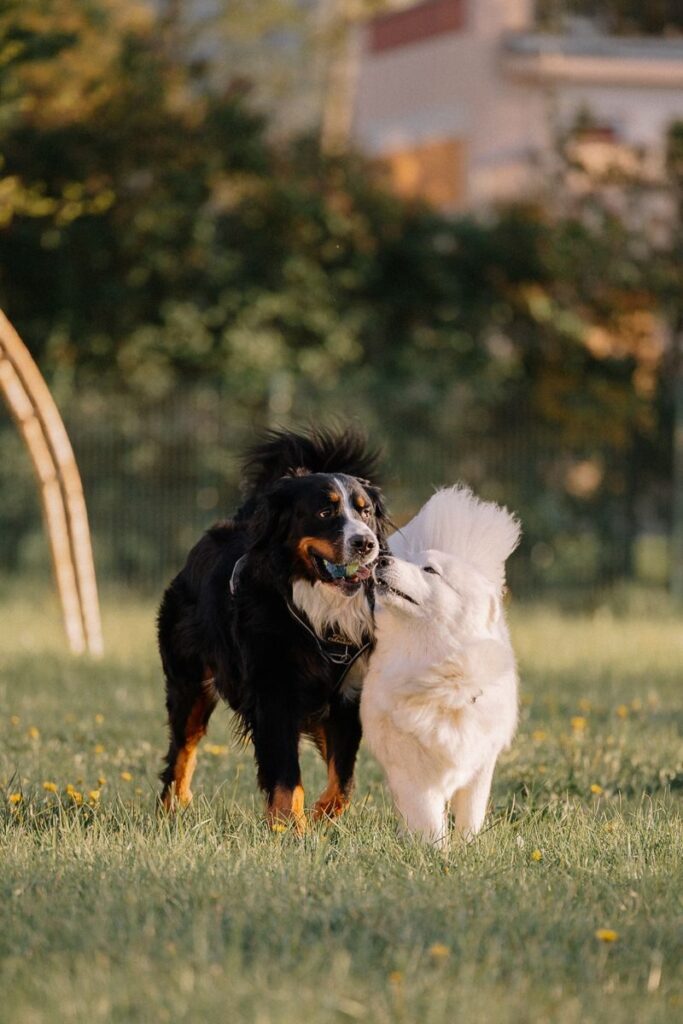
Safe, Controlled Environments: Places like the East Pointe Dog Park (when quiet) or the dedicated areas within municipal parks allow for controlled, positive social interactions.
-
Variety of Settings: Exposing dogs to different parks (busy ones with lots of people and dogs, quieter ones for relaxation) helps them generalize their social skills across various environments.
-
Community Events: Keep an eye out for local Winnipeg events that welcome pets (always checking for safety guidelines). These can be wonderful opportunities for broader socialization.
The Power of Positive Reinforcement
Regardless of your dog’s age, the method of socialization matters immensely. Winnipeg’s dog training community emphasizes positive reinforcement techniques. This means using rewards (like praise, treats, or play) to encourage positive interactions. This approach:
- Builds confidence without fear
- Creates positive associations
- Respects your dog’s comfort level
- Prevents the development of fear-based aggression
This focus on positive experiences ensures that socialization is a tool for building a happy, well-adjusted dog, not just ticking boxes.
Beyond the Dog Park: Other Ways to Socialize
While dedicated dog parks are important, socialization isn’t limited to just those spaces. Consider these Winnipeg-specific ways:
H3 Hitting the Trails
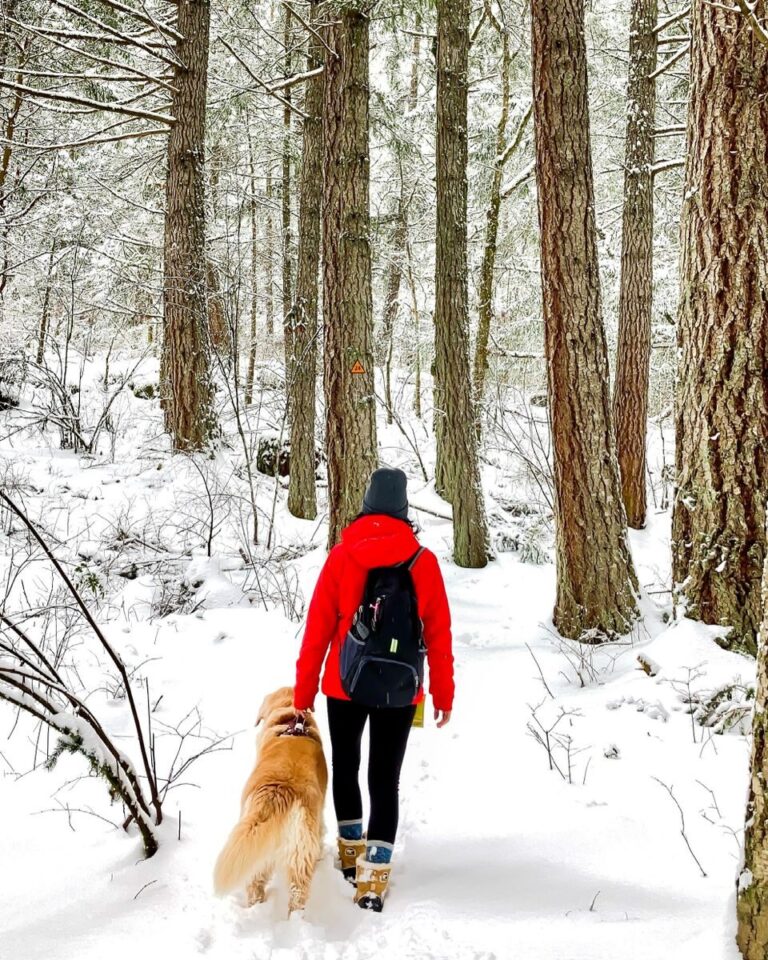
Winnipeg boasts beautiful trails like the Red River Trail. Hiking with your dog (where allowed) exposes them to different environments, other trail users (if supervised appropriately), and various dog breeds.
H3 Visiting Neighbours
Simple, friendly greetings with familiar neighbours and their dogs can be a valuable part of ongoing socialization. It reinforces positive interactions in a low-pressure setting.
H3 Positive Interactions with Stray Dogs (with caution)
While generally not recommended for unsupervised interactions, understanding how to manage brief, positive encounters with unfamiliar dogs (especially in Winnipeg’s diverse urban spaces) is part of socialization. Always prioritize safety.
H3 Winnipeg Dog Groups and Classes
Look for local, small Canadian-run training groups or classes (often found through community notice boards or local Facebook groups). These provide structured, positive socialization opportunities in a controlled environment, focusing on building specific skills.
The Lifelong Benefits: A Well-Adjusted Winnipeg Companion
Ultimately, the goal of socialization at every age is the same: a well-adjusted, happy, and confident dog who can navigate Winnipeg’s diverse community spaces comfortably. A dog that understands how to interact appropriately is less likely to develop behavioral issues, easier to manage in public, and more likely to form positive relationships with people and dogs.
So, whether you’re welcoming a puppy, managing an adult, or caring for a senior dog, remember that socialization is an ongoing process. Embrace the Winnipeg lifestyle—enjoy our parks, our community, and help your dog thrive by continuing to nurture those vital social skills throughout their entire life. Happy socializing!
Related posts:
 Why Socialization Matters at Every Age
 Why Socialization Matters at Every Age: Toronto Dog Owners Guide
 How to Build Confidence in Your Montreal Puppy: Gentle Tips for a Well-Rounded Canine Companion
 How to Boost Your Dog’s Confidence in Winnipeg
 Winnie the Pooh Leash Walks: Teaching Your Dog the Loose-Leash Secret