In this story
How to Boost Your Dog’s Confidence in Winnipeg
Having a confident dog isn’t just about them being less scared of the vacuum cleaner cleaner; it’s about improving their overall well-being and how they interact with the world around them. In Winnipeg’s unique climate and vibrant community settings, building your dog’s confidence can mean smoother walks at River Heights Dog Park, calmer visits to Osborne Park, and a more relaxed family pet. Confidence helps prevent fear-based behaviours from escalating, making everyday life easier for both you and your furry companion.
Understanding Canine Confidence
Before diving into boosting confidence, it’s helpful to understand what it means for a dog. Confidence doesn’t mean your dog will suddenly greet every stranger with tail wags or conquer the deepest parts of a lake. It means they’ll approach new things with curiosity rather than panic, cope better with minor stressors, and feel more secure in their environment.
A confident dog is generally relaxed, curious, and adaptable. They can handle unexpected situations calmly and are more likely to engage positively with people and other dogs they know. Building this foundation is key to a happy, well-adjusted Winnipeg dog.
What Confidence Looks Like
A confident dog might:
* Approach new people with a loose, wagging tail
* Explore novel objects calmly rather than rushing away
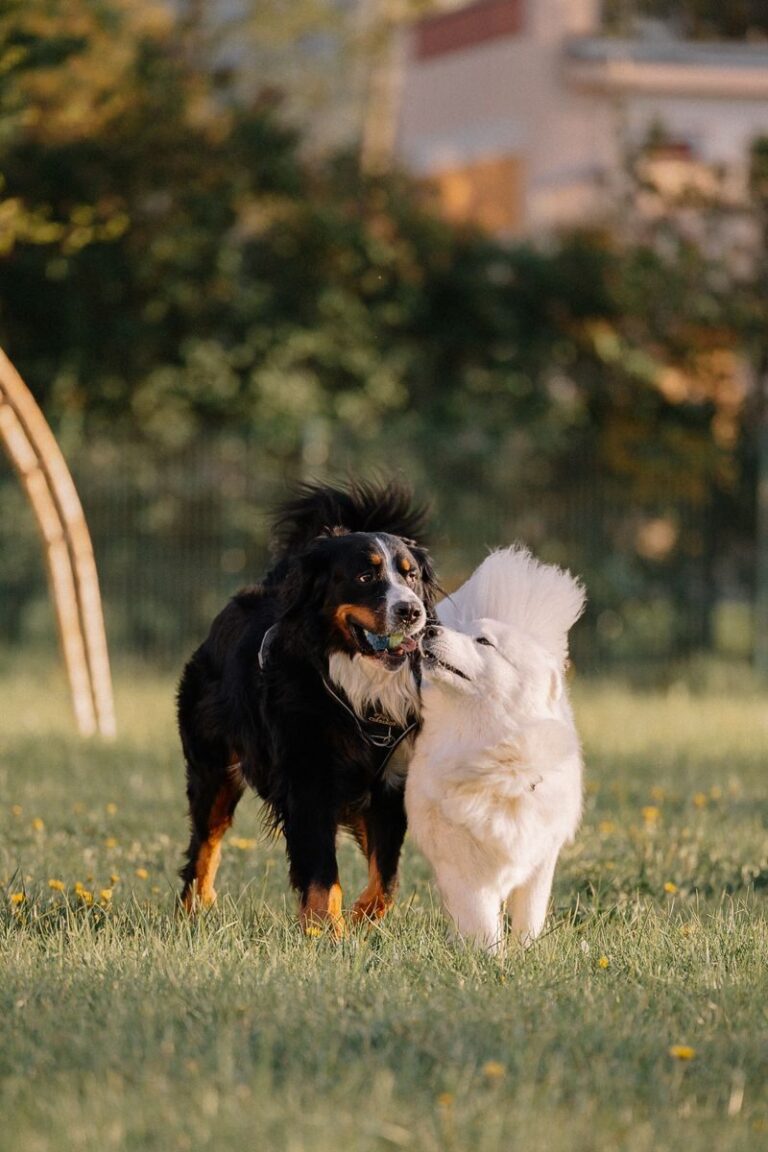
* Tolerate brief greetings from unfamiliar dogs without excessive fear
* Handle minor environmental changes (like a sudden noise) with less reactivity
The Foundation: Socialization
Socialization is arguably the most crucial element in building a confident dog. This means exposing your dog to various sights, sounds, and experiences in a positive way during their critical development period (usually between 3 and 14 weeks old, but ongoing socialization is always beneficial).
Controlled Exposure to the Unexpected
Winnipeg’s winters bring unique challenges. Your dog needs to learn that things like blowing wind, the sound of a snowblower, or the slipperiness of an icy surface aren’t inherently terrifying. Similarly, they need to become comfortable with the sounds of city life – car horns, construction, the bustle of The Forks.
Introduce these novel experiences gradually and positively. Start from a distance or behind a barrier if needed, and reward calm behaviour with treats or enthusiastic praise. The goal isn’t for them to be best friends with every single thing immediately, but for them to learn that these things are not threats.
Making Use of Winnipeg’s Parks
Osborne Park and Kildonan Park offer fantastic opportunities for controlled socialization. Don’t rush walks there. Start with short visits during less busy times. Allow your dog to observe and approach stimuli (like other dogs playing fetch or people walking their dogs) on their own terms. If they seem overwhelmed, calmly remove them and try again later.
The Power of Positive Reinforcement
This is the cornerstone of building confidence. Positive reinforcement involves rewarding desired behaviours to make them more likely to happen again. When it comes to confidence, the desired behaviour is often simply trying something new without running away or showing fear.
Rewards That Work
Keep high-value treats on hand specifically for confidence-building moments. These could be small Canadian-made dog treats or simply bits of chicken or cheese if your dog loves them. The key is that the reward is something your dog finds incredibly motivating and will eagerly work for.
Practice Makes Paws-er
Confidence building is like learning any new skill – it takes practice. Don’t expect dramatic changes overnight. Break down challenges into tiny, manageable steps. For example, if your dog is afraid of the carrier, start by just leaving it out with a treat inside. Then, maybe just touch it. Then, let them sniff it from outside the room. Each small success builds their confidence.
Managing Fear Responsively
Sometimes, despite our best efforts, a dog might still react fearfully. How you respond (or don’t respond) in these moments can either help or hinder their confidence.
Don’t Punish or Reward Fear
Never punish your dog for being scared – that teaches them to hide their fear, making it worse. Similarly, don’t reward the fearful behaviour (like cuddling them) because that reinforces it. Punishable things include growling at a new object or barking excessively at a shadow.
Don’t Force Them
If your dog is genuinely terrified, forcing them is counterproductive and can create negative associations. Allow them to retreat and feel safe. Offer reassurance from a distance or behind a baby gate until they feel calmer. Then, slowly reintroduce the stimulus.
Utilizing Quiet Spaces
Winnipeg has several quiet spaces where your dog can retreat if they feel overwhelmed. The tranquil grounds near the Canadian Museum for Human Rights or even a quiet corner of谷笹Lakeview Park can provide a safe haven during high-stress situations.
Controlled Exposure: Facing Fears Gradually
Once your dog has a basic level of confidence, you can start practicing “controlled exposure” to specific fears. This involves gradually introducing them to the feared stimulus in a controlled, positive way.
Example: Fear of Other Dogs
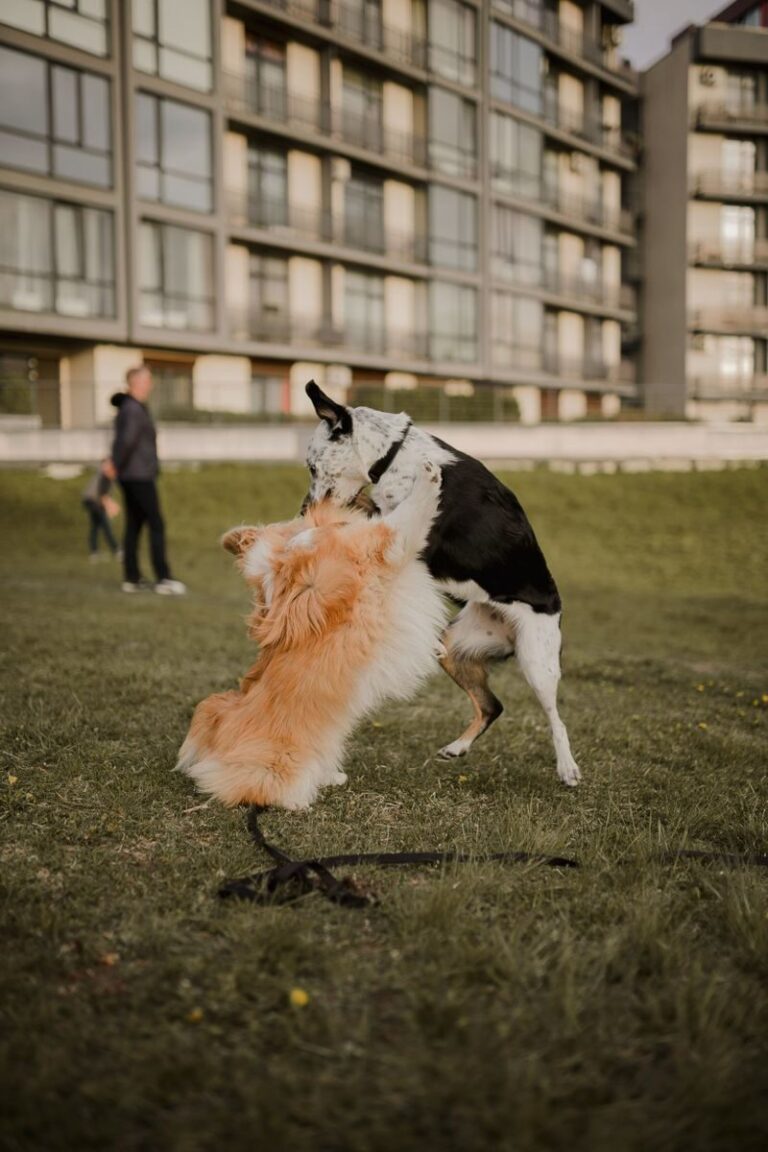
If your dog is timid around other dogs, start by practicing off-leash at a distance where they just see or hear them. Reward any calm reaction. Gradually decrease the distance over many sessions, always ensuring they are calm before approaching. Never let an unknown dog get too close.
Seeking Professional Help
If you’re struggling to help your dog overcome significant fears, don’t hesitate to consult a Winnipeg certified professional dog trainer or a certified animal behaviour consultant. They can provide personalized guidance and techniques.
Training: The Confidence Booster
Obedience training isn’t just about commands; it builds focus, trust, and confidence. Knowing how to focus on you (“focus on me” exercises), follow directions, and stay calm during training sessions gives your dog valuable tools for handling distractions and stress in everyday life.
Enrichment Activities
Mental stimulation is crucial for confidence too. Puzzle toys, scent work, and even teaching new tricks can provide a sense of accomplishment and redirect nervous energy. Many Winnipeg pet stores carry small Canadian-made enrichment toys.
Winnipeg-Specific Considerations
Living in Winnipeg means unique seasonal challenges. Use these as opportunities for confidence building:
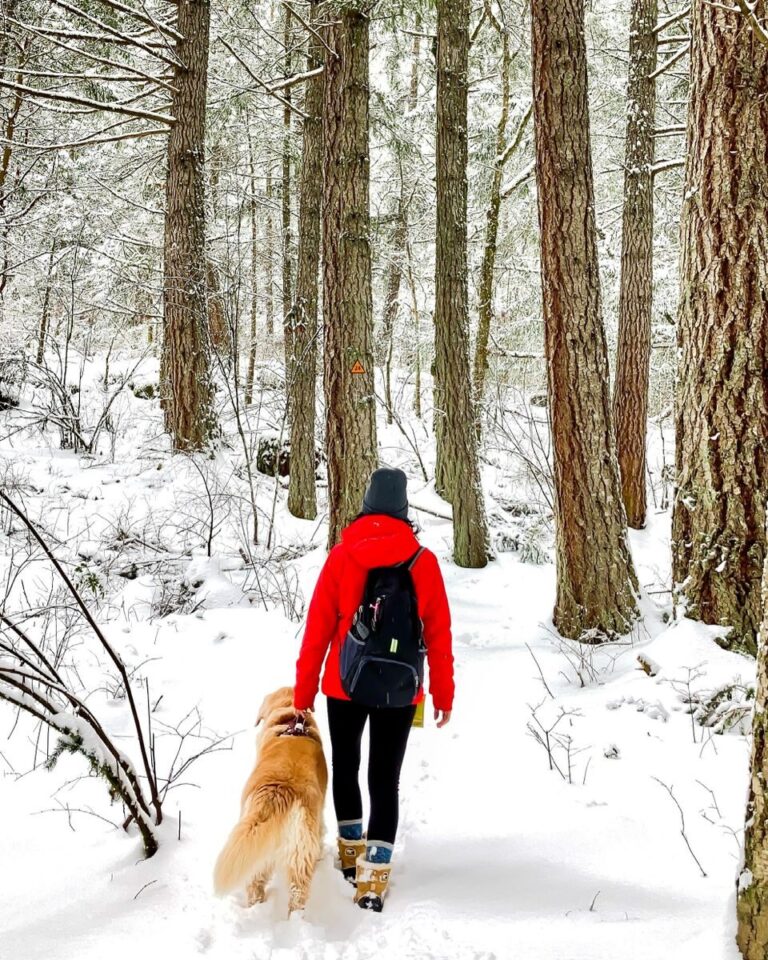
* Winter: Practice walking on different surfaces (packed snow, ice, gravel) calmly. Work on finding shelter from wind and cold without panic.
* Open Spaces: Take advantage of Winnipeg’s large parks for gradual exposure to different environments.
* Community Events: Once your dog is confident, consider attending safe, controlled community events (like a farmer’s market from a distance) to broaden their experiences.
Patience and Persistence Pay Off
Building a dog’s confidence is a marathon, not a sprint. Celebrate small victories, be patient with setbacks, and remember that you’re helping your dog feel safer and more secure in their world. A confident dog is a happier dog, leading to a more harmonious relationship with you and the vibrant community of Winnipeg.