In this story
Winter Walks with Your Dog: Staying Safe in Brampton
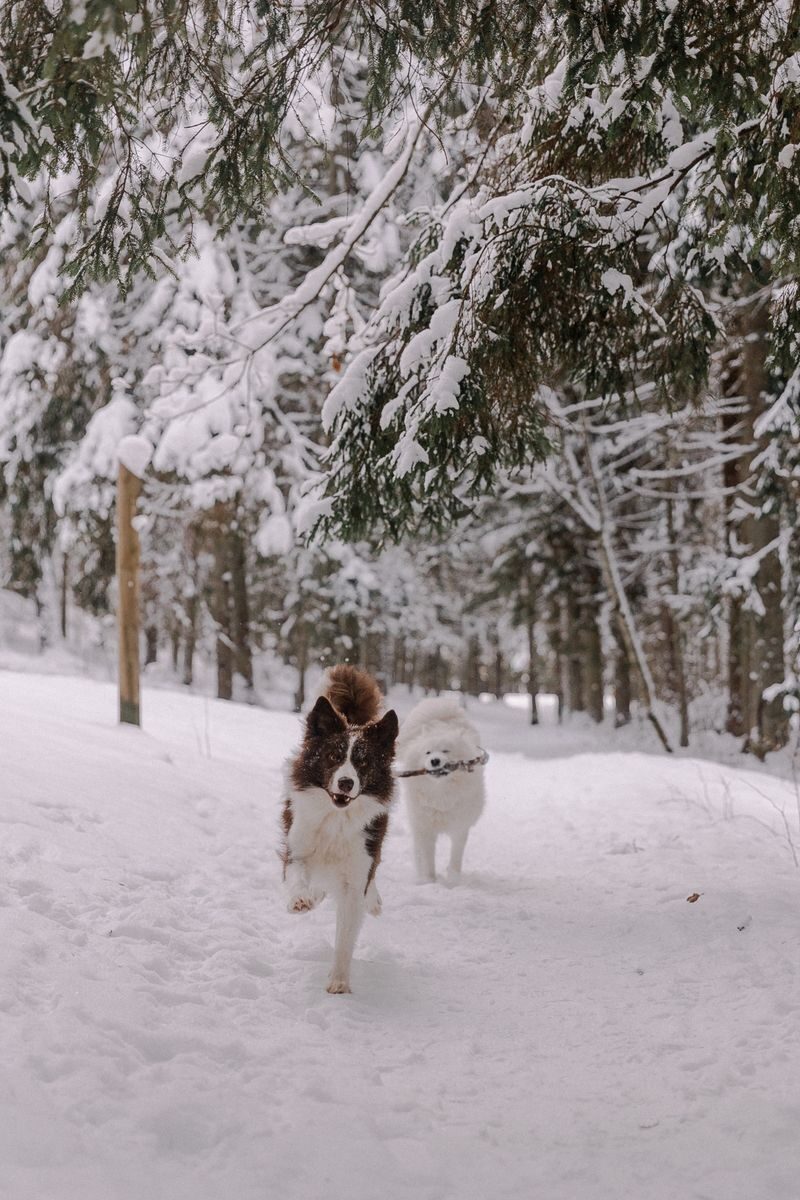
Winter weather brings beautiful snowflakes and cozy indoor time, but it also presents unique challenges for our canine companions. As dog owners in Brampton, ensuring safe and comfortable winter walks is essential for our furry friends’ well-being. This guide offers practical advice on navigating Brampton’s winter sidewalks and parks with your dog.
Dressing Your Dog for Brampton’s Winter Weather
Just like humans bundle up for an Ontario winter, our dogs need proper winter gear to stay comfortable and safe:
Coats and Jackets
Not all dogs need coats, but many certainly do. Breeds with short coats (like Greyhounds or Whippets), thin coats (like Shih Tzus or Poodles), or those with low body fat may struggle to retain heat. A well-fitting coat provides crucial insulation. When choosing, look for options designed for Brampton weather – waterproof and wind-resistant materials are key during Ontario’s damp winters.
Hats and Booties
Dogs don’t always understand the need for head coverage. A warm hat can prevent heat loss from the head and ears, especially for breeds with small ear flaps or thin fur. Similarly, booties protect paws from snow, ice, salt, and chemicals used on Brampton sidewalks and pathways. Many local pet stores in Brampton carry paw-friendly booties, or you can find durable options online from Canadian brands.
Mittens vs. Paws
Dogs primarily use their paws for traction, not warmth. Mittens can sometimes offer better protection for exposed paws, but booties are often preferred as they protect against ice and chemicals without restricting movement. Whichever you choose, ensure they fit properly.
Knowing When to Bundle Up: Timing Your Walks
The duration and timing of your winter walks matter significantly:
Check the Forecast (and your dog)
Pay attention to weather reports beyond just the temperature. Wind chill is a major factor in Brampton winters. A temperature of -10°C might be manageable if it’s calm, but the same temperature with a wind chill of -20°C can be dangerous. Always err on the side of caution.
Duration Matters
Even with proper gear, Brampton winters are harsh. Keep initial winter walks short. Observe your dog closely. If they’re panting, shaking, or seem uncomfortable despite their coat, it’s time to head home. Adjust walk length based on the severity of the weather each day.
Hydration in the Cold
Dogs can drink less in the cold, but they still need fresh water. Ensure your dog’s water bowl doesn’t freeze and that the water remains fresh. In Brampton, bringing a portable water bowl might be necessary on extremely cold days.
Choosing the Right Terrain
Not all outdoor spaces are created equal during winter. Be mindful of your surroundings:
Stick to Main Paths
Brampton’s main sidewalks are typically cleared more regularly than side streets or parks. Walking on well-maintained paths reduces the risk of encountering icy patches or deep snow.
Watch for Icy Spots
Even cleared sidewalks can have hidden icy spots. Be extra cautious on bridges, underpasses, and anywhere water might pool and freeze. Use a cane or stick to test icy areas if necessary.
Parks and Open Spaces
Many Brampton parks remain walkable during winter, offering a change of scenery for your dog. However, be aware that some areas might be less maintained or could have frozen ponds (which are dangerous!). Stick to designated paths.
Recognizing Signs of Cold Stress
Even with proper gear, dogs can still overheat or become distressed in extreme cold:
Shivering
While shivering can be a response to exertion, it’s also a clear sign of cold stress. If your dog is shivering despite being bundled up, they are too cold.
Whining or Barking
Dogs may vocalize discomfort if they are cold or in pain.
Lethargy or Weakness
If your dog seems unusually tired or weak during a walk, they might be struggling to maintain body heat.
Panting
Panting in cold weather can be a sign of stress or discomfort.
Visible Frost on Paws
If you see frost forming on booties or directly on paws, they are likely too cold.
If you notice any of these signs, stop the walk immediately and bring your dog indoors to a warm place.
Protecting Paws from Ice and Chemicals
Your dog’s paws are particularly vulnerable during winter walks in Brampton:
Booties Remain the Best Option
Protecting paws with booties is the most effective way to prevent irritation from ice, snow, and especially de-icing salts and anti-freeze chemicals commonly used in Ontario. These substances can cause paw pad burns and irritation.
Wipe Paws After Walks
Even without booties, wipe your dog’s paws, belly, and face after walks to remove any accumulated snow, ice, or chemicals.
Paw Balm
Consider applying a small amount of paw balm (available at local Brampton pet stores or from Canadian pet supply brands) before walks, especially in very cold weather, to provide an extra layer of protection.
Hydration and Warmth Indoors
After a winter walk, focus on your dog’s comfort at home:
Warm, Dry Up
Bring your dog inside immediately after a walk. Shake off any snow or ice gently before letting them inside.
Offer Warm Water
Provide fresh water and ensure their food and bed are warm enough. A heated dog bed can be a wonderful treat on cold Brampton nights.
Limit Outdoor Time
Gradually acclimate your dog to winter walks, especially if they are young, old, or have health issues. Don’t push them beyond their limits.
When to Skip the Walks
There are times when it’s best to skip winter walks altogether:
Extreme Weather Conditions
If wind chill warnings are in effect, or if it’s dangerously cold with heavy snow or sleet, indoor activities are the best choice. Your dog’s health is more important than a short walk.
Icy Conditions
If the walk would require navigating extremely slippery or hazardous ice, it’s safer to wait.
After Snowfall
While fresh snow can be fun, it can also mean hidden ice and slush, making walks more challenging and potentially dangerous.
Community Resources in Brampton
Brampton offers various resources for pet owners:
Local Dog Parks
Check if your chosen dog park is maintained during winter. Some remain accessible, while others may be closed or less well-taken care of.
Brampton Animal Services
They may have information on pet safety during winter.
Local Pet Stores
Many Brampton pet stores (like PetSmart, Pet Palace, etc.) can offer advice on appropriate winter gear.
Conclusion: Prioritizing Your Dog’s Comfort
Walking your dog in Brampton during winter is possible with the right preparation and awareness. By dressing them appropriately, timing walks wisely, choosing safe routes, and monitoring their well-being closely, you can ensure your dog enjoys outdoor time safely even in the cold Ontario weather. Remember, a well-prepared dog owner keeps a happy, healthy dog. Stay safe and keep those paws warm!