In this story
Vancouver’s Winter Wonders: Staying Safe on Your Dog’s Walks
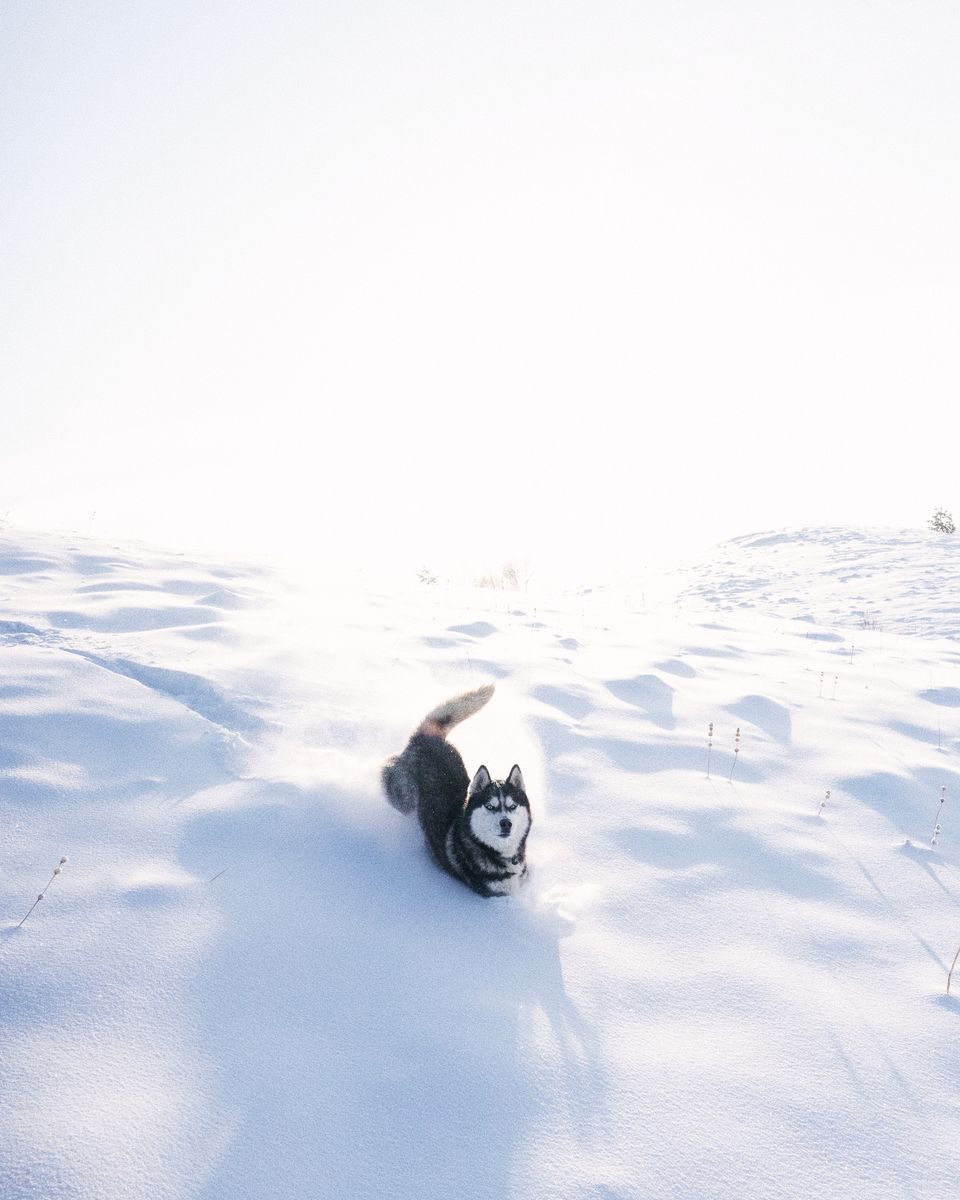
Ah, Vancouver’s winter weather! Snow-dusted evergreens, crisp mountain air, and cozy indoor days – it’s a beautiful time of year. But as a dog owner, navigating these colder months requires some thoughtful preparation to keep your best friend safe and comfortable. While those winter walks offer wonderful exercise and mental stimulation for your dog, the elements demand attention.
The good news? Vancouver’s urban parks and green spaces are well-equipped for exploration year-round. Stanley Park, Queen Elizabeth Park, Kerrisdale Common, and the many pathways around Granville Island are just a few examples of great places to get your dog outdoors. But ensuring these walks are safe and enjoyable in the winter takes a little extra planning.
Checking the Forecast (and the Ground)
Before you head out, take a moment to check the weather forecast specifically for the walk duration. Don’t just glance at the daytime high – consider the wind chill, potential for precipitation, and overnight lows.
- Use Local Resources: Websites like Environment and Climate Change Canada provide detailed forecasts and warnings relevant to Vancouver.
- Check Park Conditions: Some popular parks might have specific conditions during heavy snow or ice events. Checking local news or park authorities’ social media can be helpful.
- Know Your Dog: Every dog is different. A young, healthy adult might handle colder conditions better than an older dog, a puppy, a senior, or one with health issues. Adjust your plans accordingly.
Essential Gear for Vancouver Winter Walks
Equipping your dog properly is the cornerstone of safe winter walks. Here’s what you’ll need:
1. Appropriate Footwear (for you and your dog):
*   **For You:** Insulated boots or waterproof shoes can keep your feet warm and dry, especially on slippery surfaces. Many local outdoor retailers in Vancouver (like REI or Canadian Tire locations) offer options.
*   **For Your Dog:** Not all dogs need shoes, but if your dog has short or thin fur, or if you're walking on icy, slushy, or dirty pavement, booties can be a lifesaver.
    *   *Popular Choices:* Thinsulate, SmartWool, or felt-based booties are often recommended for milder cold. For deeper snow or ice, waterproof neoprene booties might be better.
    *   *Local Option:* Check out small Canadian pet supply stores like Pet Valu or PetSmart for a variety of styles.
2. Cozying Up: Jackets and Sweaters:
*   **Insulation Matters:** Look for jackets designed for dogs, made with insulating materials like Thinsulate or fleece. Avoid fluffy puffers for active dogs, as they can trap heat and moisture.
*   **Fit is Key:** A jacket that's too big will flap and restrict movement; one that's too tight can restrict breathing or movement. Ensure it's the right size.
*   **When to Use:** Rule of thumb: if you're cold in a light jacket, your dog probably is too. Use sweaters or coats when temperatures are below 10°C (50°F) or when wind and wetness are factors.
*   *Local Option:* Many Vancouver-area pet boutiques offer custom-fitting options.
3. Paws Protection:
*   **Snow and Ice:** Booties protect paws from snow, ice, salt, and chemicals used for de-icing. These can be harsh on sensitive paw pads.
*   **Slippery Surfaces:** Shoes can provide extra traction on icy sidewalks.
*   **Choosing Booties:** Ensure they fit well and offer some grip. Some dogs adjust quickly, while others may take time. Positive reinforcement treats can help!
4. Hydration and Waste Management:
*   **Keep Water流动:** Cold weather doesn't stop thirst! Ensure your dog has access to fresh, unfrozen water before, during, and after walks. Bring a portable water bowl.
*   **Potty Needs:** Cold weather might reduce your dog's need to go out as often, but accidents can still happen. Always have bags handy for cleanup, as snow can mask messes.
*   **Bag Protocol:** Carry reusable bags specifically for dog waste. Many Vancouver parks have waste stations, but being prepared is key to responsible pet ownership.
Dressing Your Dog in Layers (Like a Human!)**
Think about layering for your dog, just like you do:
- Base Layer: Fleece or synthetic materials wick moisture away from the skin.
- Insulating Layer: Thicker fleece or wool helps trap heat.
- Outer Layer: Water-resistant and windproof jacket protects against rain, sleet, and wind.
Avoid cotton, as it retains moisture and loses warmth when wet. Consider a lightweight raincoat if rain is expected.
Keeping Paws Happy and Healthy**
Cold weather can be tough on paws:
- Check for Ice: After walks, check your dog’s paw pads for ice or snow buildup between toes (this can freeze and cause injury).
- Inspect Regularly: Look for cuts, scrapes, or signs of irritation.
- Wipe Down: Use a damp cloth or pet-safe paw cleaner to remove ice, slush, and potentially harmful de-icing chemicals.
- Balding Paws: If your dog keeps losing fur between the pads, it’s usually normal and helps with grip, but monitor for excessive hair loss or thinning.
- Paw Balm: Applying a pet-safe paw balm can help protect and moisturize sensitive pads, especially if your dog frequently walks on dry pavement or has sensitive feet.
Water, Water Everywhere (and Nowhere Else!)**
Dogs don’t like getting wet, and cold water is even worse:
- Limit Water Exposure: Try to avoid walks during heavy rain or melting snow that will soak through coats quickly.
- Dry Them Off: Wipe your dog down after a wet walk, especially in windy conditions.
- Frozen Water Bowls: Ensure water bowls and hydrators are not frozen. Keep them indoors or bring a heated bowl if necessary.
Adjusting Walk Duration and Intensity**
Cold weather means shorter outdoor time for most dogs:
- Watch the Time: Rule of thumb: limit outdoor time in extreme cold or wind chill. Start with a few minutes and gradually increase.
- Monitor for Signs of Cold: Shivering (if they can’t just warm up indoors quickly), seeking shelter, lifting paws, lethargy after the walk – these are signs they need to head inside.
- Warm Up Indoors: After a walk, let them warm up by lounging on a cozy bed with a blanket.
Emergency Preparedness**
Even with careful planning, emergencies can happen:
- Know the Signs of Hypothermia/ Frostbite: shivering, lethargy, slow heart rate, blue-tinged gums.
- Microchip: Ensure your dog’s microchip information is up-to-date.
- Emergency Kit: Consider carrying a small kit with essentials like extra water, high-energy snacks, a leash, and a copy of your emergency contact numbers.
- Know Local Resources: Identify nearby veterinary clinics and emergency services.
Navigating Icy Terrain**
Vancouver’s sidewalks can be treacherous:
- Use Caution: Watch where you and your dog step. Avoid icy patches.
- Train Your Dog: Practice commands like ‘stay’ and ‘come’ so they can be recalled easily if you need to stop suddenly.
- Consider Alternatives: When possible, opt for parks with less icy pavement.
The Great Indoors: Indoor Exercise Options**
Not every day requires a walk:
- Indoor Fetch: Tired of walks? Play fetch indoors or teach your dog to walk on a treadmill with you.
- Stairs: Vancouver’s many staircases (like those in Stanley Park or Gastown) offer great exercise. Ensure your dog is comfortable and safe on the stairs.
- Designated Indoor Areas: Create safe zones in your home for exercise.
Conclusion: Vancouver Winter Walks Made Safe**
Walking your dog in Vancouver’s winter doesn’t have to be daunting. By being prepared, understanding your dog’s needs, and paying attention to the weather, you can continue to enjoy these precious moments together. Remember, the goal is to keep your dog safe, comfortable, and happy during the colder months. Happy and safe walking!
Related posts:
 Walking Your Reactive Dog in Vancouver: A Guide for Kind and Calm Strolls
 Vancouver Dog Cold Weather Guide: Keeping Your Pooch Comfortable
 Beyond Leash Loafing: Enrichment Walks in Vancouver
 Choosing the Perfect Dog Breed for Vancouver Living
 Finding the Perfect Dog Breed for Your Family in Vancouver