In this story
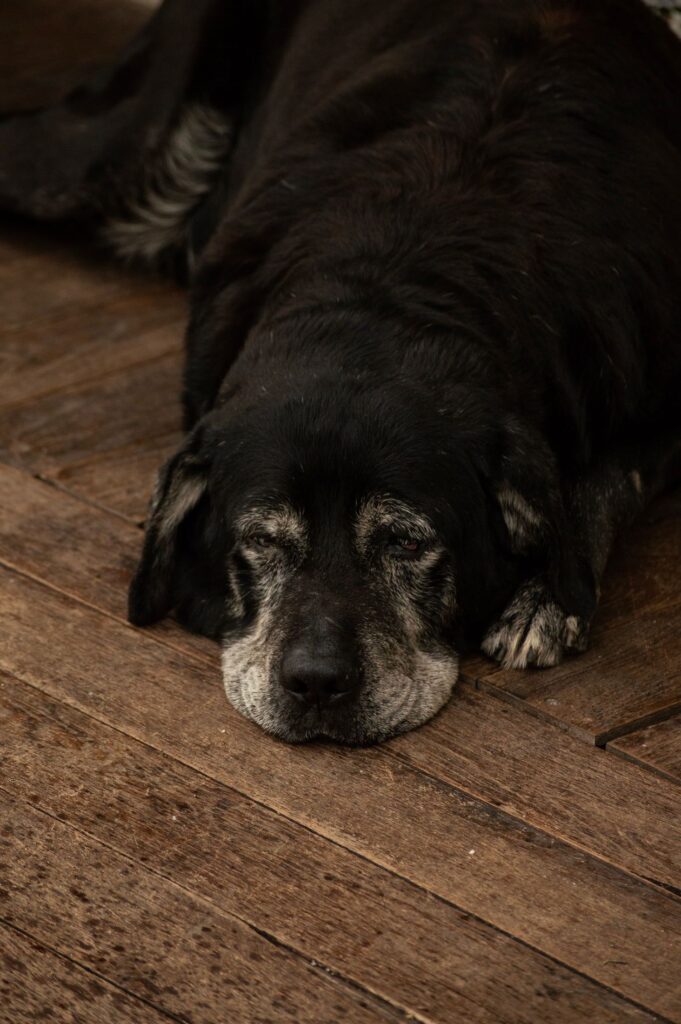
If a dog gets to choose where to grow old, Vancouver makes a strong case. The winters are mild enough that old joints are spared months of deep cold, the seawall is flat end to end, and there is always a patch of grass within a slow amble of home. The tax is rain — weeks of it — and a senior dog feels the damp in a way a puppy never notices.
The routine changes, though: vet visits get closer together, trail days become short forest loops, and the gear shifts from balls to ramps, raincoats and a very good bed. Here is the Vancouver senior checklist: the licence, the vet, comfort in a wet city, the gentle outings, and the seasons.
The paperwork: a licence for an older dog
Vancouver licenses every dog over three months old, and the licence is renewed every year for the dog’s whole life. The fee is a flat $68 per dog, per year, with no tax — the same for a senior as for a puppy, whatever the dog’s spay or neuter status. Renew before your licence expires to avoid a $10 late penalty, and if the tag ever comes off the collar, a replacement costs $8. Certified guide and service dogs are licensed free. Apply or renew through the City of Vancouver’s dog licensing page, by phone or in person.
The licence earns its keep most in the senior years: an older dog whose hearing and eyesight are fading can slip a gate and get turned around a block from home, and the tag is what connects that dog to you. Keep the information attached to it — contact details, address — current; the city lets you update it any time.
Vet care in the senior years
Most vets suggest checkups about twice a year for a senior dog, because age-related changes are easier to help when they are caught early. In general terms, the senior watch list includes stiff or arthritic joints, dental disease, weight drifting up or down, heart and kidney changes, new lumps, cloudier eyes and reduced hearing, and changes in sleep or behaviour that can signal cognitive decline. Blood work becomes a more regular part of visits. Keep short notes between appointments — appetite, water intake, stairs, sleep, anything new — and bring them along. This is general information, not a diagnosis: check with your vet for what applies to your own dog and the checkup schedule they recommend.
Save the emergency number before you need it. The VCA Canada Vancouver Animal Emergency & Referral Centre, at 2303 Alberta Street, is open 24 hours a day, seven days a week — call 604-879-3737. It is also a referral hospital — internal medicine, cardiology, oncology, ophthalmology — which is a real comfort when a senior dog’s file gets complicated.
Mobility and comfort in a wet city
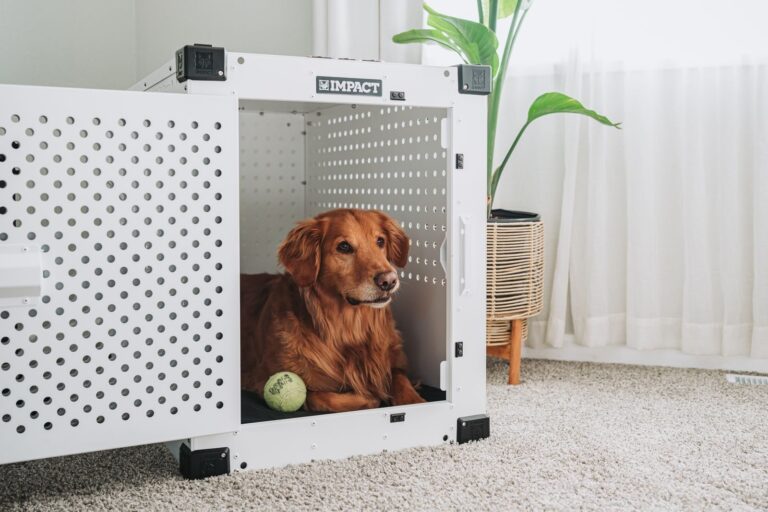
Senior comfort is mostly small engineering. A ramp for the car ends the jump down that old shoulders dread. Runners on laminate and hardwood give footing where legs used to scramble. A supportive bed in a warm corner away from drafts, raised bowls, and short nails — long nails change how a dog stands and walks — all quietly help. A harness gives you something to steady a dog with on wet steps and slick boardwalks.
Vancouver adds a weatherproofing chapter. Set up a drying station by the door — towels, a paw cloth, a mud-proof mat — because a senior dog dries slowly, and damp joints are stiff joints. A well-fitted raincoat keeps the wet and the chill off an older back on the long grey days, and shorter, more frequent walks beat one long sodden march. On the rare icy morning, booties earn their place too.
Getting out around Vancouver
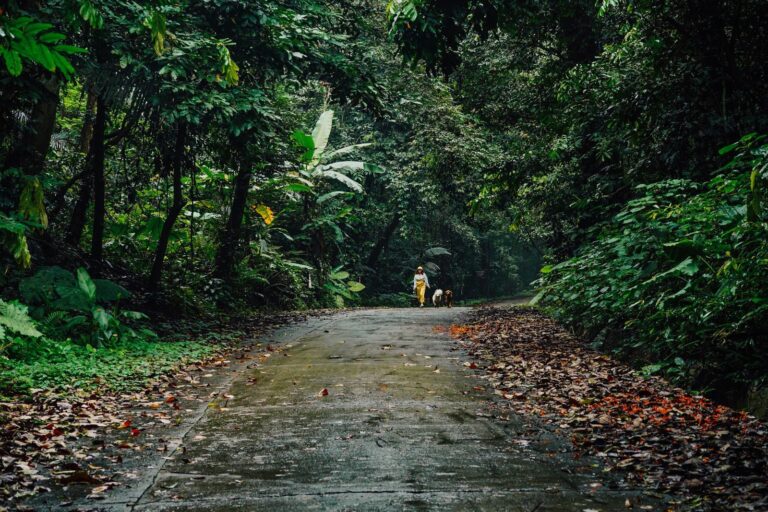
The Stanley Park Seawall is the senior dog’s signature walk: the City’s own park guide describes it as paved and mainly flat, and dogs on leashes are welcome. Do it the senior way — one stretch at a time, not the whole 9 km — with the Lost Lagoon loop as a shorter, flat alternative when the wind comes up. For shade and soft ground, Pacific Spirit Regional Park offers more than 750 hectares of forest and dozens of kilometres of trails, many of them gentle; leash rules vary by trail, so check the signage at the trailhead.
For exercise that builds strength without punishing joints, Aqua Paws, at 888 Clark Drive, is a canine aquatic fitness and rehab centre built around a warm-water pool and an underwater treadmill. Its team works under rehab veterinarian Dr. Raceeta MacKenzie, who does mobility assessments and builds rehab plans, and the centre says dogs of any age or mobility level can benefit — buoyancy unloads the joints while the resistance does the strengthening. Few outings leave a senior dog pleasantly tired but not sore; this is one.
A senior through a Vancouver year
Rain is the standing condition from October into spring: mud on the trails, soaked coats, and paws that need drying every single outing. Summer is the season to watch instead. Heat waves are harder on older hearts and lungs — walk early and late, carry water, and rest in shade. On wildfire smoke days, keep outings short and move the fun indoors; senior lungs feel smoke first. Winter rarely bites, but when it does, black ice on the seawall and frozen slush on side streets are hazards for unsteady legs — shorten the route and slow down. And everywhere, all year: coyotes live in Stanley Park and Pacific Spirit, so keep a senior dog leashed and close, especially at dawn and dusk.
Good to know before you go
File away the numbers: licence $68 a year, renewed annually, $10 late penalty if you miss the date, replacement tag $8. In city parks, dogs are on leash — no more than 2 metres — except in designated off-leash areas, and an older dog who prefers company to chaos will usually vote for the leash anyway. Keep your vet’s number and 604-879-3737 in your phone, and the licence renewal date in your calendar.
The senior years in Vancouver are measured in seawall sunsets at half pace, forest loops that take twice as long because every smell deserves its moment, and long naps while the rain does its thing outside. Sort the licence and the vet cadence early, build the drying station, and the rest is the good part. For more ways to get out together, explore our other Vancouver guides on Canada Mutts.