In this story
Introduction
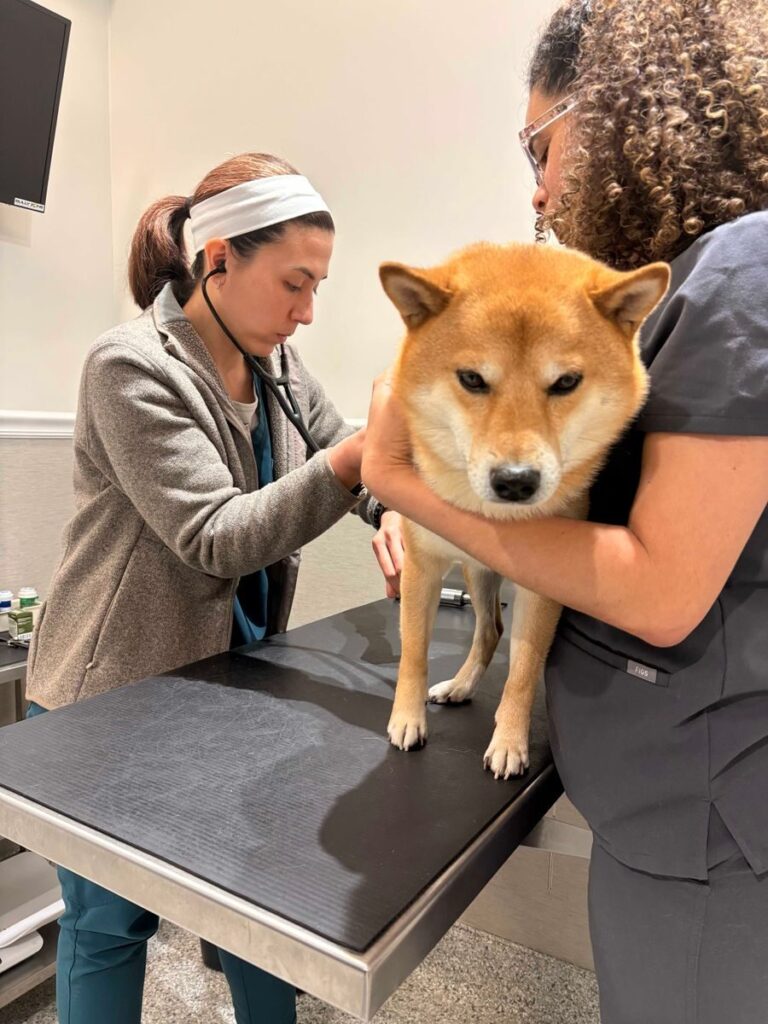
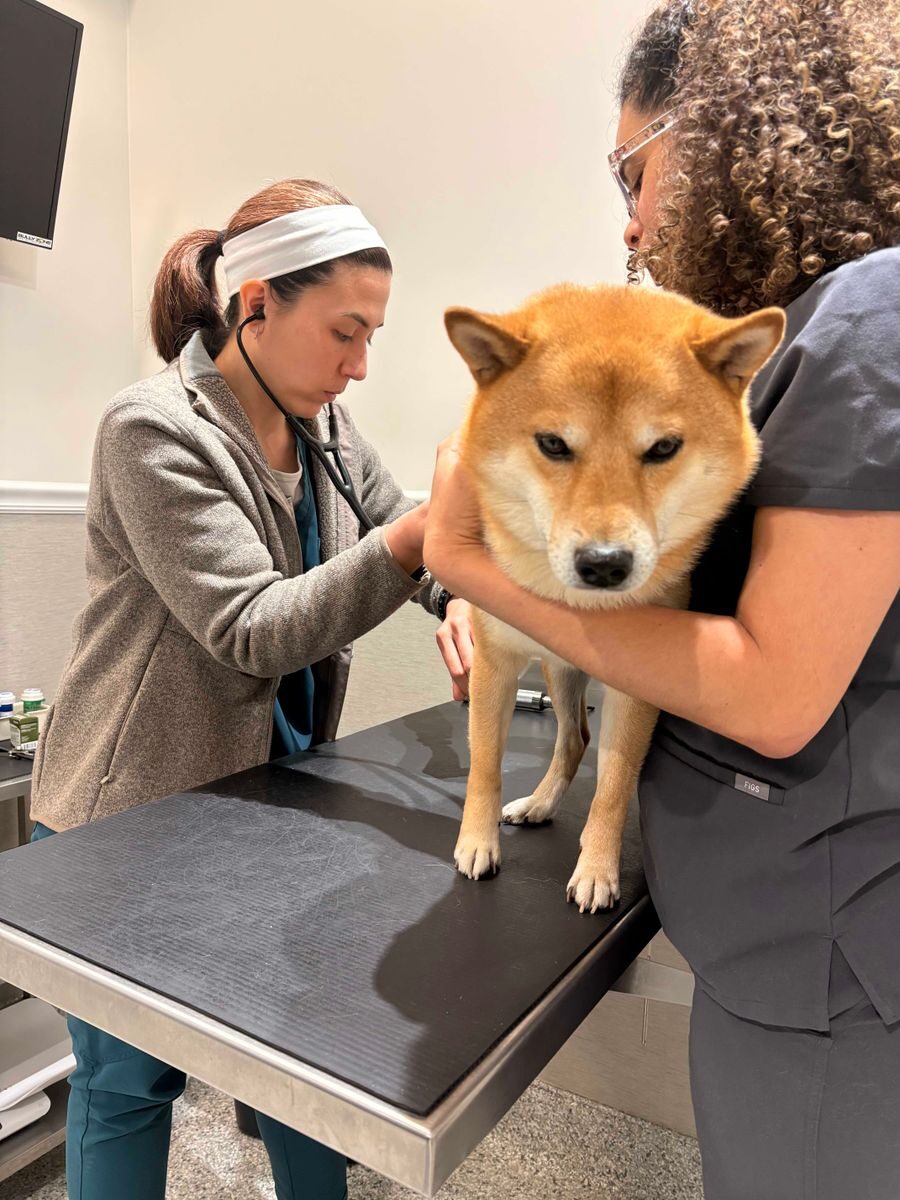
As a proud Brampton dog owner, you know how much joy your canine companion brings. But with that joy comes responsibility – one of the biggest being knowing when your dog needs professional care. While most days are filled with fun adventures in Centennial Park or cozy evenings at home, there are times when subtle changes or sudden symptoms signal something’s not right. Ignoring these signs can lead to bigger health issues down the road.
This guide aims to help you become a vigilant observer of your dog’s well-being. By learning to recognize the common signs that indicate your dog needs a vet visit, you’re taking an important step in ensuring their longevity and happiness. Remember, it’s always better to err on the side of caution when it comes to your pet’s health. Let’s explore these indicators together.
Introduction: Being Your Dog’s Health Advocate
Beyond the Wag: More Than Just Happy Tails
We all know the signs of a happy dog – a wagging tail, bright eyes, and maybe even a request for a walk. But your dog’s health isn’t always as obvious as their mood. Dogs are masters at hiding pain and discomfort, a trait that stems from their evolutionary history as prey animals. They don’t want to appear vulnerable. This makes it even more crucial for their human companions to be observant.
Being attentive to your dog’s normal routines and subtle shifts is the first line of defense. Notice their eating habits, bathroom breaks, energy levels, and interactions with family members or other pets. Creating a baseline of your dog’s usual behavior allows you to spot deviations more easily. Keep a mental (or physical) log if possible – noting things like when they last ate, their water intake, and any changes in sleeping patterns.
The Telltale Signs: When to Call the Vet
Changes in Appetite and Water Intake
- A sudden loss of appetite: If your usually ravenous dog suddenly loses interest in food, or starts refusing their favorite meals, this is a red flag. Even a short-term decrease warrants a check-up, especially if accompanied by other symptoms.
- Rapid weight loss: Unintentional weight loss, even a few pounds, can indicate underlying issues like digestive problems, metabolic disorders, or dental pain.
- Increased hunger: While some dogs are always hungry, a significant, persistent increase could point to conditions like diabetes or thyroid issues.
- Changes in water intake: Both a dramatic decrease (potentially indicating kidney problems or diabetes) and an excessive increase (could signal diabetes, Cushing’s disease, or heatstroke) should be discussed with a vet.
Bathroom Breaks: More Than Just Potty Training
- Difficulty or pain during urination: Straining, crying out while urinating, or frequent, small attempts can indicate urinary tract infections, bladder stones, or other serious issues.
- Changes in frequency: Sudden, significant increases or decreases in urination or defecation could signal digestive upset, infections, or metabolic problems.
- Incontinence: Accidental indoor accidents from a trained dog, especially in older dogs, can be a sign of aging, hormonal changes, or neurological issues.
- Vomiting or diarrhea: Occasional incidents might be blamed on something they ate, but persistent or severe vomiting, diarrhea containing blood, or vomiting bile (especially in the morning) require veterinary assessment. Changes in stool color, consistency, or frequency are also important.
Physical Observations: From Nose to Tail
- Lethargy and decreased energy: If your usually energetic dog becomes listless, sleeps more than usual, or shows little interest in activities they once loved, it’s time to investigate.
- Changes in behavior: Aggression, fearfulness, excessive barking or whining, hiding, or clinginess can all be signs of pain, anxiety, or illness.
- Limping or favoring a leg: Even a subtle limp indicates pain and needs assessment. Check for visible injuries, but often the cause is internal or muscular.
- Changes in coat condition: Rough, dull, or patchy fur, excessive shedding, or skin lesions can indicate allergies, parasites, hormonal imbalances, or infections.
- Eyes: Redness, excessive tearing, discharge, cloudiness, bumping into things, or visible parasites.
- Mouth: Bad breath that doesn’t improve with brushing, reluctance to chew or eat hard food, drooling, or visible swelling can all indicate dental disease or oral infections.
- Ears: Redness, odor, excessive scratching, head shaking, or discharge may point to ear infections or mites.
- Breathing: Panting that isn’t related to exercise or heat, coughing, rapid breathing, or labored breathing are serious signs. Brachycephalic breeds (like Pugs or Shih Tzus) are particularly prone to breathing difficulties.
- Swelling: Any unexplained swelling, especially around the face, abdomen, or limbs, should be checked by a vet immediately, as it could indicate infection, allergy, or toxin ingestion.
- Wounds or Injuries: Any deep puncture wounds, cuts, burns, or broken bones obviously need professional attention. Don’t attempt to treat serious injuries yourself.
Pain: The Silent Sufferer
Dogs often mask pain, making it hard to tell if they’re hurting. Watch for:
- Whining or excessive licking of a specific area
- Aggressive behavior when touched
- Reluctance to jump, climb stairs, or get into a car
- Changes in sleeping patterns
- Panting without an obvious reason
If you suspect your dog is in pain, a vet visit is essential to diagnose and treat the underlying cause.
Behavioral Shifts: More Than Just Mood Changes
Sometimes the biggest clues come from changes in how your dog interacts with the world:
- Increased anxiety or fear: Noticeable changes in how your dog reacts to familiar situations or people.
- Social withdrawal: Less interest in play or interaction with family members or other pets.
- Separation anxiety: Excessive barking, destructive behavior, or house soiling when left alone.
While behavioral changes can sometimes be addressed through training or environmental adjustments, persistent changes often require a medical evaluation to rule out underlying physical causes.
When to Seek Immediate Emergency Care
While many vet visits are routine, some situations require urgent attention. If your dog exhibits any of the following, head to the nearest emergency veterinary clinic in Brampton or call for advice:
- Seizures
- Difficulty breathing
- Blue gums or tongue (sign of lack of oxygen)
- Severe lethargy or collapse
- Significant external bleeding
- Ingestion of a known toxin (check the ASPCA’s Poison Control list)
- Broken bone
- Suspected tick paralysis
Always have emergency vet contact information readily available. Many Brampton clinics offer emergency services, though they may be outside regular hours.
The Power of Prevention: Regular Check-ups
While this guide focuses on recognizing when something might be wrong, remember that prevention is always better than cure. Regular wellness check-ups with your Brampton veterinarian are crucial. These visits allow professionals to catch potential issues early and provide vaccinations, parasite control, and dental care.
Conclusion: Your Dog’s Health is Your Responsibility
Being a good dog owner means being attentive to your furry friend’s needs. By familiarizing yourself with the signs that indicate your dog needs a vet visit – from subtle changes in behavior and appetite to more obvious symptoms like vomiting or limping – you empower yourself to act quickly and effectively. Don’t hesitate to consult a Brampton vet if you have any concerns. Their expertise is invaluable in keeping your best friend happy, healthy, and wagging their tail for years to come.
Further Reading:
* Canadian Veterinary Association (General resource)
* Brampton Regional Animal Services (Community resource)
* Ontario Veterinary College (Educational resource)
Disclaimer: This information is for educational purposes only and does not constitute veterinary advice. Always consult a qualified veterinarian for medical concerns about your pets.
Related posts:
 Know When Your Dog Needs a Vet Visit: Signs to Watch For
 When to Take Your Winnipeg Dog to the Vet: Recognizing the Signs
 Brampton Dog Owners: Decoding Your Pooch’s Poop for Better Health
 Keep Your Dog Comfortable: Understanding and Managing Fall Allergies in Brampton
 Winnipeg Dog Owners: Decoding Your Poo’s Health Clues