In this story
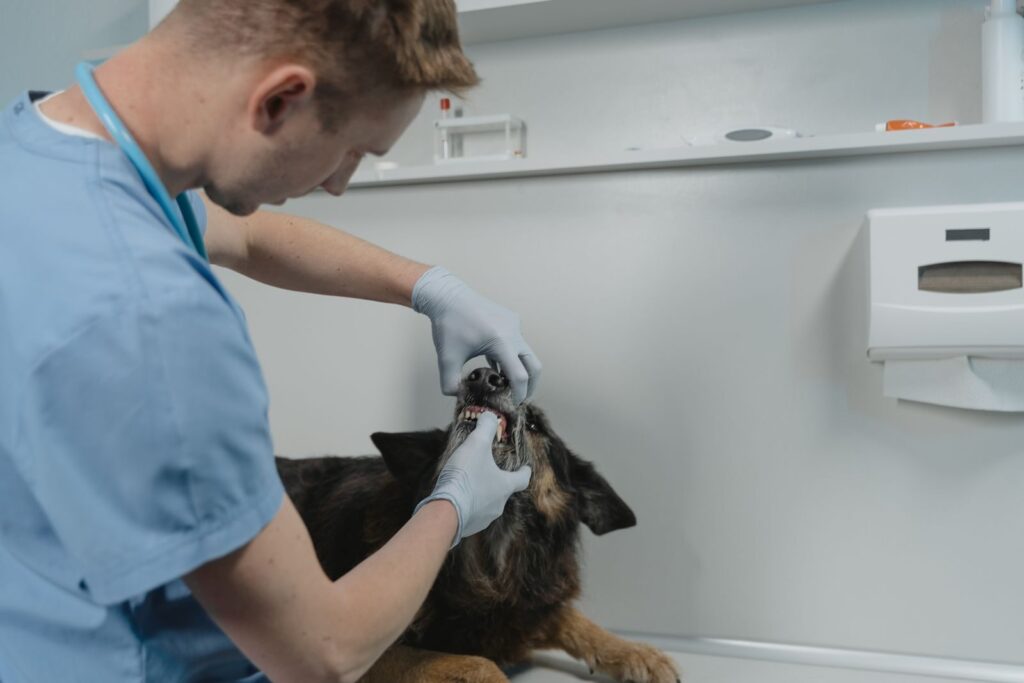
10 Signs Your Edmonton Dog Needs a Vet Visit Today
As a proud Edmonton dog owner, you know that your furry companion’s health is top priority. That wagging tail, those wet nose, and those joyful greetings make them worth watching over closely. But sometimes, things aren’t quite right, and recognizing the signs your dog needs a vet visit can be the difference between a quick recovery and a serious problem. Edmonton’s unique climate, from cozy winters to pleasant summers, means dogs can show signs of distress in various ways.
Being observant about your dog’s well-being isn’t just good practice; it’s part of responsible pet ownership. This guide covers key indicators that your Edmonton dog might be feeling unwell and needs a professional check-up. Remember, early detection often leads to easier treatment, so don’t hesitate if you notice anything out of the ordinary.
Changes in Behavior: More Than Just the Bluebonnets
Dogs communicate through behavior, and significant shifts often signal something’s amiss. Keep an eye out for:
- Lethargy and Unusual Sleep: If your usually bouncy dog seems unusually tired, sleeps more than usual, or seems difficult to wake up, it’s time to consult the vet. This could range from simple fatigue to something more serious.
- Agitation and Pain: Conversely, watch for signs of distress. Whining, excessive barking, growling, panting without exercise, or snapping at you or other pets can indicate pain. They might whine softly or become anxious when touched in specific areas.
- Changes in Social Interaction: Notice if your dog becomes overly clingy, avoids interaction they usually enjoy, or shows aggression they haven’t displayed before. These can be signs of discomfort or underlying medical issues.
- House Soiling: An established housetraining routine is a hallmark of a happy Edmonton dog. Sudden or increased indoor accidents, especially if they’re older, can indicate pain, anxiety, or cognitive issues.
- Altered Vocalizations: While dogs bark for many reasons, excessive howling, whimpering, or barking at inappropriate times or with no clear trigger warrants a vet visit.
Appetite and Water Intake Changes
Your dog’s eating and drinking habits are crucial indicators of their health:
- Refusing Food: A complete lack of interest in food, even their favorite treats, can be a red flag. This could indicate illness, dental problems, or simply an upset stomach.
- Drinking Too Much or Too Little: Both extremes can be problematic. Increased thirst (polydipsia) can be linked to diabetes, kidney disease, or Cushing’s disease. Decreased water intake can indicate kidney problems, illness, or simply dehydration.
Energy Levels and Mobility
Watch for changes in your dog’s activity level and physical movement:
- Decreased Activity: If your energetic dog suddenly seems reluctant to play, walk, or even go for their daily Edmonton strolls, it’s worth investigating. They might seem listless or simply lack energy.
- Difficulty Moving: Stiffness, limping, reluctance to jump, climb stairs, or get up from a lying position can indicate pain or joint issues, especially common in certain Edmonton breeds as the seasons change.
- Unexplained Weight Loss: Noticeable weight loss without changes in diet or exercise can be a serious concern. It can indicate underlying health problems ranging from parasites to metabolic disorders.
- Fever: Elevated body temperature is a clear sign of infection or inflammation. Feeling your dog’s ears (they should be slightly warmer than their nose but not hot) or using an instant-read thermometer rectally (consult vet for guidance) can help determine if a fever is present.
Physical Signs Your Edmonton Dog Needs Vet Care
Beyond behavior and energy, direct physical observations are critical:
- Vomiting: Occasional vomiting can be due to eating too quickly or ingesting something disagreeable. However, persistent vomiting, especially with blood, bile, or if accompanied by lethargy, requires immediate veterinary attention.
- Diarrhea: Loose stools are common, but watch for frequency, color changes (especially bright red or black), presence of blood, mucus, or unusual objects, and if it’s accompanied by other symptoms.
- Bad Breath: While some bad breath is normal for dogs, persistent halitosis can indicate dental disease (tartar, gingivitis, periodontitis) or more serious systemic issues like kidney disease.
- Lumps and Bumps: Any new bump or lump on your dog should be checked by a vet, especially if it’s growing, painful, warm, or changes texture. This includes swollen glands.
- Changes in Urination: Difficulty urinating, straining, accidents inside the house (especially if previously housetrained), increased or decreased frequency, or blood in the urine need prompt veterinary assessment.
- Skin Issues: Noticeable itching, redness, rashes, hair loss, or the development of sores or lesions should be evaluated. Parasites (fleas, ticks, mites) are common in Edmonton and can cause significant discomfort.
When to Seek Emergency Care Immediately
Some situations require urgent veterinary attention, potentially life-threatening. If your dog exhibits any of these signs, head to the nearest emergency vet clinic or animal hospital in Edmonton:
- Collapse or Inability to Stand: Sudden weakness or inability to get up is a veterinary emergency.
- Seizures: Any unprovoked seizure is cause for immediate concern.
- Difficulty Breathing: Labored breathing, rapid breathing, or breathing with an open mouth can be dangerous.
- Severe Pain: If your dog is showing extreme distress and pain, requiring immediate relief.
- Ingestion of Toxic Substances: If you suspect your dog has eaten something poisonous (chocolate, certain plants, antifreeze, medications, etc.), contact a vet or the ASPCA Poison Control Center immediately.
- Broken Bones: If you observe any obvious deformity, swelling, or your dog is refusing to put weight on a limb, seek emergency care.
- Green, Yellow, or Bloody Discharge from Eyes or Nose: Especially if accompanied by other symptoms.
- Severe Vomiting or Diarrhea Leading to Dehydration: Signs of dehydration include dry mouth, tacky gums, and loss of skin elasticity.
Conclusion: Prioritizing Your Edmonton Dog’s Health
Being a good Edmonton dog owner means staying vigilant about your furry friend’s health. By knowing the signs that indicate your dog needs a vet visit, you can act quickly and ensure they receive the care they need. Don’t ignore subtle changes; consult your veterinarian for peace of mind and to keep your best friend happy and healthy for years to come. Regular check-ups are always recommended, but acute signs require immediate action.
Remember, every dog is an individual, and these signs might manifest differently. Trust your instincts as a pet parent and seek professional veterinary advice whenever you have concerns.
Related posts:
 Signs Your Dog Needs a Vet Visit
 When to Take Your Dog to the Vet in Montreal
 Recognizing When Your Edmonton Dog Needs the Vet: A Guide for Responsible Pet Owners
 When to Take Your Dog to the Vet: Signs You Shouldn’t Ignore in Mississauga
 Taming the Shed: A Mississauga Guide to Reducing Dog Hair at Home