In this story
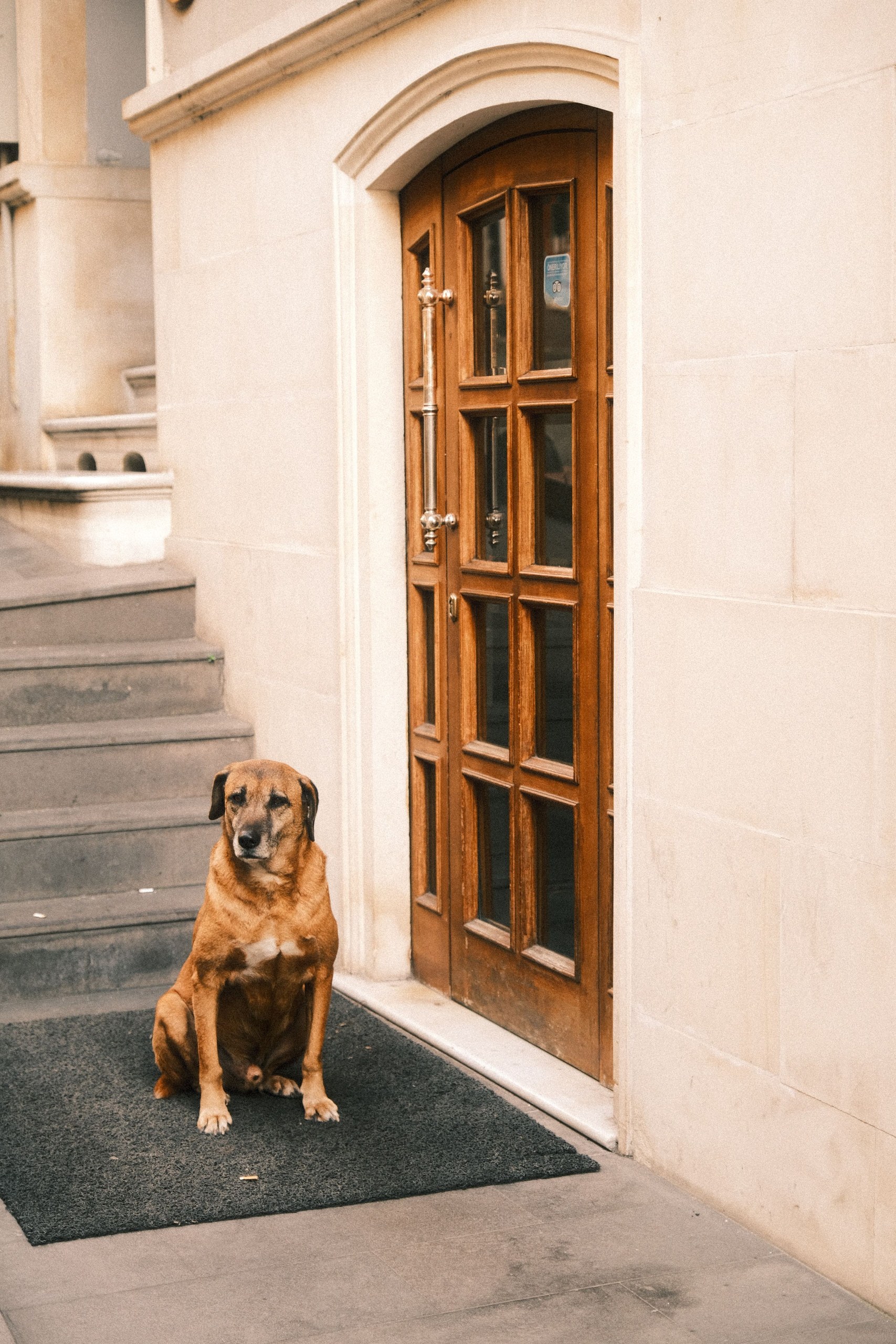
You come home to a chewed doorframe, a puddle on the floor, and a dog who greets you like you have been gone for a year — even though you only popped out for groceries. It is easy to assume your dog is being spiteful. In most cases, though, what you are seeing is not mischief at all. It is panic.
What Separation Anxiety Actually Is
Separation anxiety is genuine distress a dog feels when separated from their person — or sometimes even when they simply anticipate being left alone. Veterinarians and behaviourists increasingly call it a separation-related problem, because the emotional state can vary: some dogs are anxious, some are fearful, and some become frustrated or over-aroused rather than panicked.
It is not your dog getting revenge for being left. Dogs of any breed or age can develop it, often after a big change: a move, a new schedule, a return to the office after months at home, or the loss of a person or another pet. Shelter and rescue dogs are at somewhat higher risk, but any dog can struggle with alone time. The good news is that it is very workable: with patience and a slow plan, most dogs can learn that being alone is safe — and boring, in the best possible way.
The Signs — Including the Ones You Might Miss
Some signs are hard to miss: howling, barking, or whining that starts soon after you leave and carries on until you return; chewing furniture, doorframes, or your belongings; toileting accidents in a dog who is normally house-trained; and scratching or pawing at doors and windows, sometimes hard enough to injure themselves.
Others are easy to overlook: drooling, panting, pacing, or trembling; refusing to eat or drink while alone, even when food is left out; vomiting or diarrhea that only happens when the dog is left; and an over-the-top greeting when you return. Watch too for subtle changes the moment you start your leaving routine: ears back, tail low, lip-licking, or shadowing you from room to room.
Many owners only discover the problem from a neighbour or a home camera. If you suspect your dog is struggling, film them: record 30 to 60 minutes after you leave. The footage tells you — and your veterinarian — far more than memory ever will, and it helps distinguish a dog who panics for the whole absence from one who settles after a few minutes.
First Step: Talk to Your Veterinarian
Before you start any training plan, book a checkup with your veterinarian. Some signs of separation anxiety can look a lot like medical problems — house soiling can be a bladder infection, for example — and your vet will want to rule those out first.
This article is general information only, not a diagnosis or a treatment plan. If your dog is showing signs of distress when left alone, please check with your own veterinarian. They can confirm what is going on, discuss whether medication might help while training is underway, and refer you to a veterinary behaviourist or certified behaviour consultant if needed.
Build a Safe Place First
Before you practise leaving, give your dog somewhere that reliably predicts comfort: a dog-proofed room or pen with a comfy bed, fresh water, and something good to chew. Feed meals there and offer food-filled toys there, so your dog chooses to settle there while you are home too.
A crate can be part of this — but only if your dog already relaxes in one. If your dog panics in a crate, confining them will make things worse. The goal is a place your dog feels safe, not a place they are trapped. Never use the crate as punishment.
Desensitize Your Leaving Routine
Dogs are brilliant at patterns. Keys, shoes, coat, bag — your dog has learned that chain means you are about to disappear, and the anxiety can start before you even reach the door. So break the chain apart. Pick up your keys, then put them down and sit back on the couch. Put on your coat, then make a cup of tea. Open the front door, then close it without leaving. Repeat these little pieces across the day until they are boring.
Practise Absences in Tiny Steps
This is the heart of the work, and it is where most people rush. The method is called systematic desensitization: expose your dog to departures so short they never tip into panic, then lengthen them very gradually.
First, find your dog’s threshold. Using your camera, discover the longest time your dog can be alone without showing stress. For some dogs it is ten seconds; for others it is five minutes. Then practise below threshold: if your dog is calm for one minute, practise 30- to 45-second absences, three to five short reps a day. Every session must stay under the point where panic starts — every time you push past it, you set progress back.
Build in small jumps: add 15 to 30 seconds at a time, and only when the current step is easy. A typical track looks like 2 minutes, then 3, 5, 7, 10, 15, 20, 30, 45, and 60. If stress shows up, drop back to the last easy step and stay there longer. Expect this to take weeks to months, not days. Slow is fast with separation anxiety.
Keep Departures and Returns Low-Key
Long, emotional goodbyes tell your dog that leaving is a big deal. Keep it calm and boring: a quick pat, a food puzzle or lick mat, and out the door. When you return, stay calm too — greet your dog once they have settled, rather than matching their frantic energy. You are teaching them that comings and goings are uneventful.
While You Train: Manage the Real World
Here is the hard part. While your desensitization plan is underway, your dog should not be left alone for longer than they can cope with. That means management: a dog walker, a trusted neighbour, a family member, or doggy daycare on workdays. It is not forever, but leaving a panicking dog alone for eight hours while you train for five minutes at a time will undo your work. If that sounds impossible, talk to your veterinarian about interim support and be honest about your schedule. A plan that fits your real life is the only plan that works.
Food puzzles, lick mats, long-lasting chews, and a good sniffy walk before you leave all help, too. Reserve the highest-value items for alone time so your dog starts to associate your departure with something good. But enrichment alone will not fix true separation anxiety — it supports the training; it does not replace it. And a frozen Kong will not hold a panicking dog. If your dog is too stressed to eat while alone, that is important information — tell your vet.
What Not to Do
Do not punish the destruction or the accidents. Punishment increases anxiety, damages your dog’s trust, and does nothing to teach them to feel safe. Your dog is not being bad; they are scared. Do not get a second dog as a fix — another dog sometimes helps, sometimes changes nothing, and sometimes adds a second anxious dog. And do not flood them: leaving a panicking dog alone for hours in the hope they will “get used to it” does the opposite. Flooding makes anxiety worse.
When to Get Professional Help
Reach out to your veterinarian or a certified behaviour professional if your dog injures themselves trying to escape, if the problem is getting worse, if your dog will not eat at all while alone, or if you have been training for weeks with no progress. Severe cases often need a combination of behaviour modification and medication, guided by a professional — and that is a success story, not a failure.
Separation anxiety is a panic problem, not a manners problem. Your dog is not trying to ruin your day; they are terrified that the person they love most has disappeared. The fix is unglamorous and slow: film what is really happening, rule out medical causes with your vet, build a safe place, desensitize your leaving routine, and practise absences in tiny, winnable steps — while making sure your dog is never left past their limit in real life. Most dogs get there, one calm, boring departure at a time — and the day you check the camera and find your dog asleep on their bed while you are out is worth every minute of it.
Related posts:
 Off-Leash Recall Training: Get Your Dog Coming Back Every Time
 Loose-Leash Walking: Teach Your Dog to Walk Without Pulling
 Why Does My Dog Eat Grass? Causes, Risks and When to Worry
 How Often Should I Feed My Dog? A Simple Schedule by Age
 Why Is My Dog Shaking? Common Causes and When It’s an Emergency