In this story
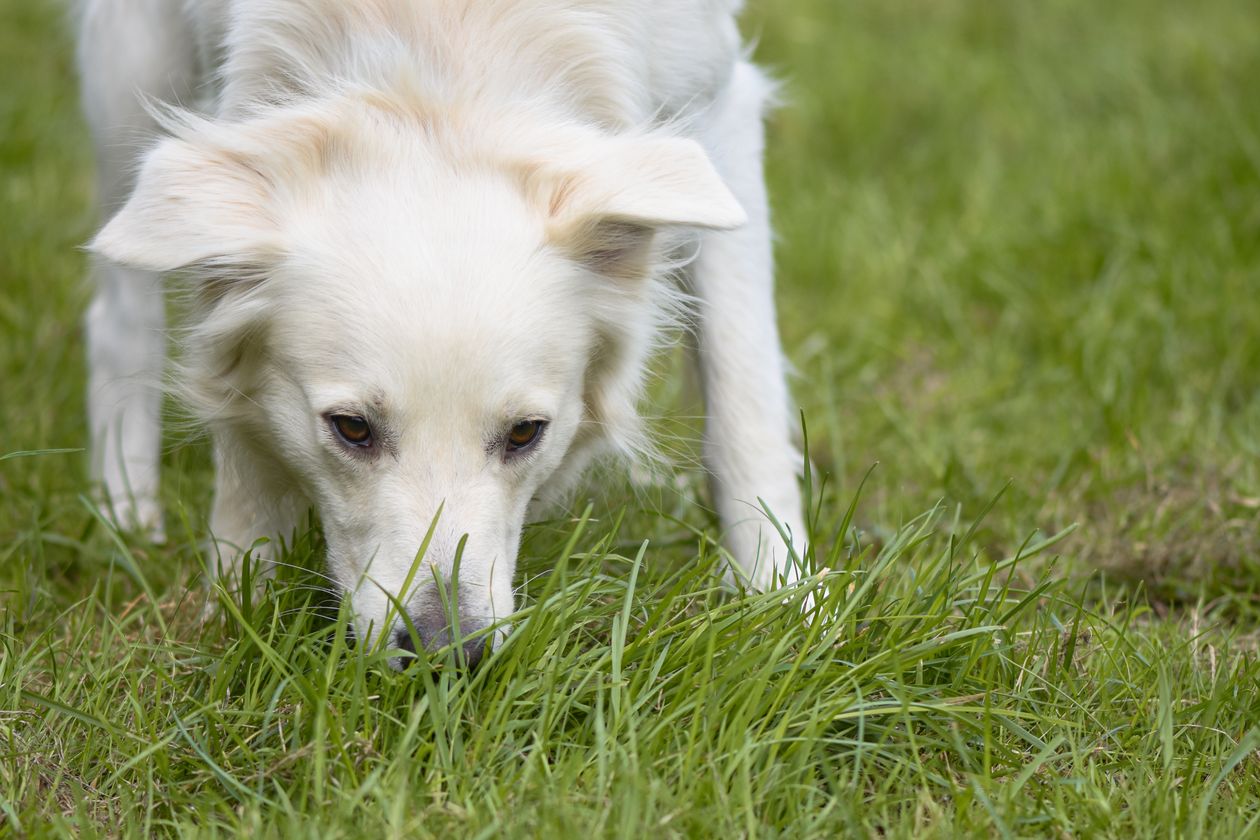
Most dogs eat grass simply because they like it, and for a healthy dog the occasional nibble is normal behaviour — not a sign of illness. Researchers still don’t know every reason behind it, but taste, instinct, boredom and a mildly unsettled stomach top the list. It only becomes a concern when the grass is chemically treated, the habit turns frantic or obsessive, or vomiting and other symptoms come with it.
Why do dogs eat grass?
Nobody has pinned down one single cause, and it may be different for every dog. The explanations vets and researchers come back to most often are these:
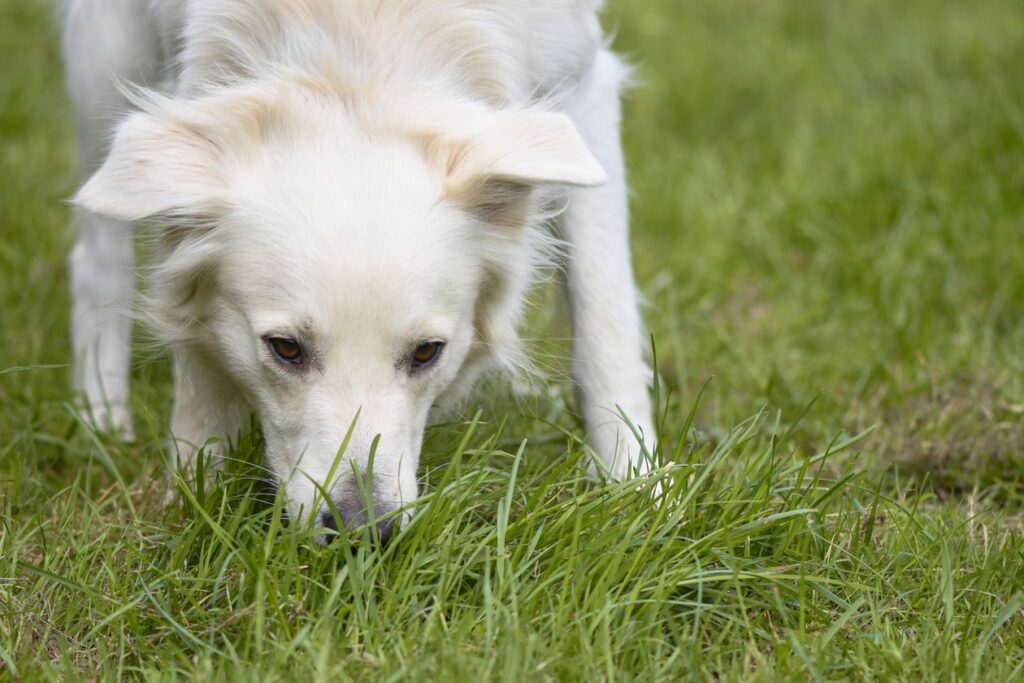
They like the taste and texture. Fresh grass — especially new spring growth — seems genuinely appealing to many dogs. Some graze slowly and selectively, picking particular blades, which looks a lot less like desperation and a lot more like a snack.
It’s an old instinct. Wild canines ate whole prey animals, including the plant material in their stomachs, and plant-eating is widespread in dogs today. Surveys from the UC Davis School of Veterinary Medicine found that most dogs eat plants regularly, and the researchers concluded it is a normal behaviour in domestic dogs, not a symptom.
They want more fibre. Grass can add roughage that helps food move through the digestive system. A dog who constantly seeks out grass may do less of it on a diet with more fibre — worth raising with your vet rather than experimenting on your own.
They’re bored or anxious. A dog left alone in the yard with nothing to do may graze to pass the time, and some dogs chew grass as a way to settle themselves. More exercise, play and company often shrink the habit.
Their stomach is empty. Some dogs gobble grass first thing in the morning and then bring up yellow foam. According to Dr. Jerry Klein, the AKC’s Chief Veterinary Officer, that yellow foam is bile, which usually means an empty stomach — and bile irritates. Eating grass may be the dog’s way of bringing it up and feeling better. A small meal before bed or a little food first thing can help dogs with this pattern.
Do dogs eat grass to make themselves throw up?
This is the explanation almost every owner has heard — and the research mostly doesn’t back it up. In the UC Davis surveys, only about 9 per cent of dogs frequently showed signs of illness before eating grass, and only about 22 per cent frequently vomited afterwards. In other words, most grass-eaters weren’t sick first, and most don’t throw up after.
Vomiting after grass does happen, of course. Long blades swallowed without much chewing can tickle the stomach, and a dog who eats a lot of grass quickly can simply overload it. An occasional vomit from an otherwise bright, hungry dog is usually not an emergency — but vomiting that keeps happening is a different story, covered below.
Is eating grass bad for dogs?
Plain, untreated grass in small amounts is not considered harmful, and dogs can’t really digest it — it mostly passes through. The real risks are not the grass itself but what may be on it or mixed in with it:
- Lawn chemicals. Grass treated with herbicides, pesticides or fertilizers can be toxic. Keep your dog off treated lawns, follow the product’s instructions about when pets can return, and be cautious in parks, neighbours’ yards and landscaped areas where you don’t know what has been sprayed.
- Parasites and germs. Grass can carry intestinal parasite eggs — such as roundworms and hookworms — left behind in other animals’ droppings. Regular parasite prevention and prompt poop pickup reduce the risk.
- Toxic plants. Grass is one thing; the weeds and garden plants growing in and around it are another. Some common plants are poisonous to dogs, so supervise grazers and discourage eating unidentified greenery.
- Grass awns. The barbed seeds of certain grasses (often called foxtails) can work their way into skin, ears, eyes and airways and cause serious problems. Avoid letting your dog run or graze in dry, seedy grass in late summer.
Does grass-eating mean my dog is missing nutrients?
Usually not. A dog eating a complete, balanced commercial diet is unlikely to be grazing because of a deficiency, and adding supplements on a hunch isn’t recommended. The exception is a habit that becomes extreme or compulsive — eating grass constantly, or moving on to dirt, rocks, fabric or other non-food items. That pattern is called pica, and it can have medical or behavioural causes, including, in some cases, diet problems. It’s a reason to book a vet visit, not to start guessing at supplements.
When should I worry about my dog eating grass?
Grass-eating crosses the line from quirky to concerning when the pattern changes or symptoms join in. Check with your vet if you notice:
- Sudden, frantic grass-eating, especially with lip-licking, drooling, restlessness or repeated swallowing
- Vomiting more than occasionally, or vomiting along with diarrhoea, poor appetite or low energy
- Grass-eating that is new, rapidly increasing, or compulsive
- Eating dirt, stones or other non-food items as well
- Any chance your dog grazed on recently treated grass — call promptly and have the product name handy
Seek urgent care for a swollen or painful belly, repeated unproductive retching, collapse, breathing difficulty or blood in vomit or stool.
How can I stop my dog from eating grass?
If your vet has ruled out a medical cause and you’d simply like less grazing: supervise yard time instead of leaving your dog out alone, redirect with a game or a cue like “leave it,” and make sure exercise and mental stimulation are covered, since bored grazers often quit once life gets more interesting. Keep your own lawn untreated or use only pet-safe practices, and offer fresh water outside — some dogs graze more when they’re thirsty.
The bottom line: a dog who nibbles grass on a walk and carries on happily is doing something dogs have always done. Keep them off treated lawns, watch for changes in the pattern, and when in doubt, check with your vet — a quick call beats a worried weekend, every time.