In this story
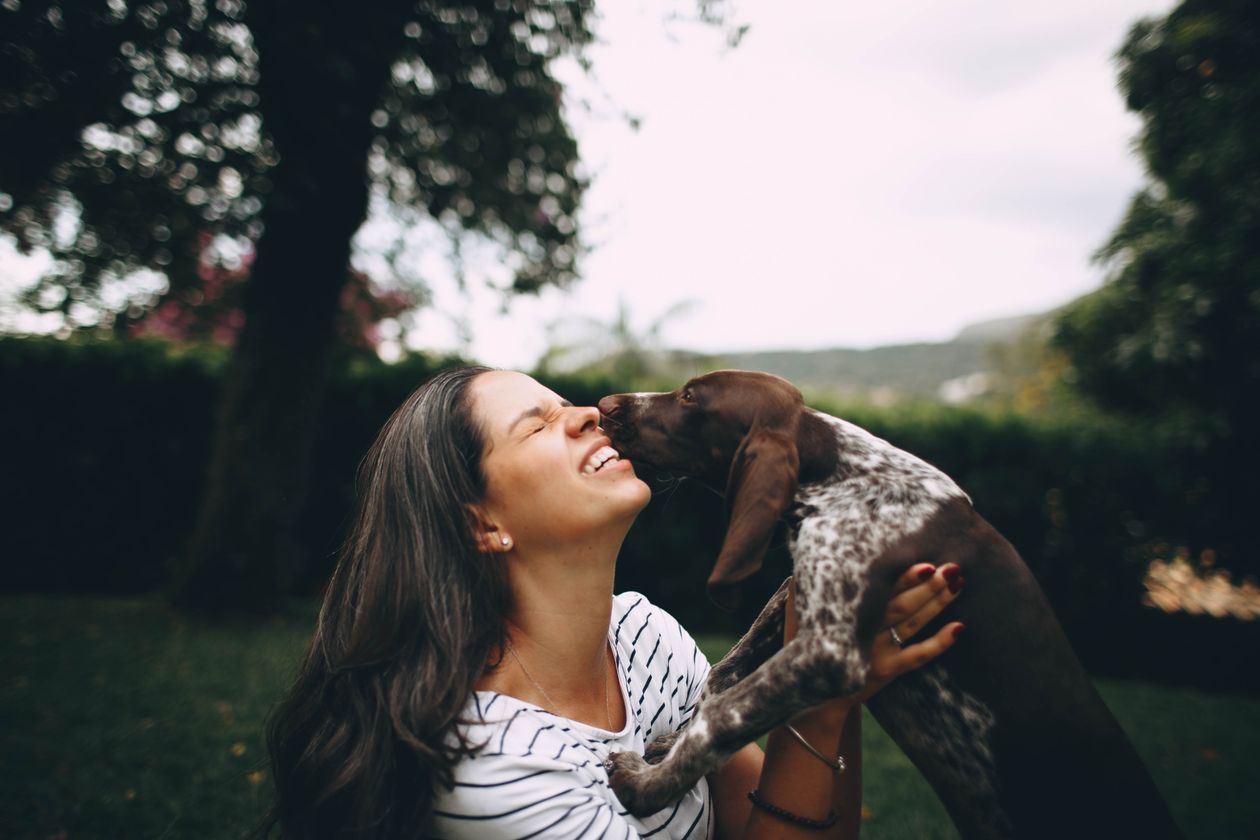
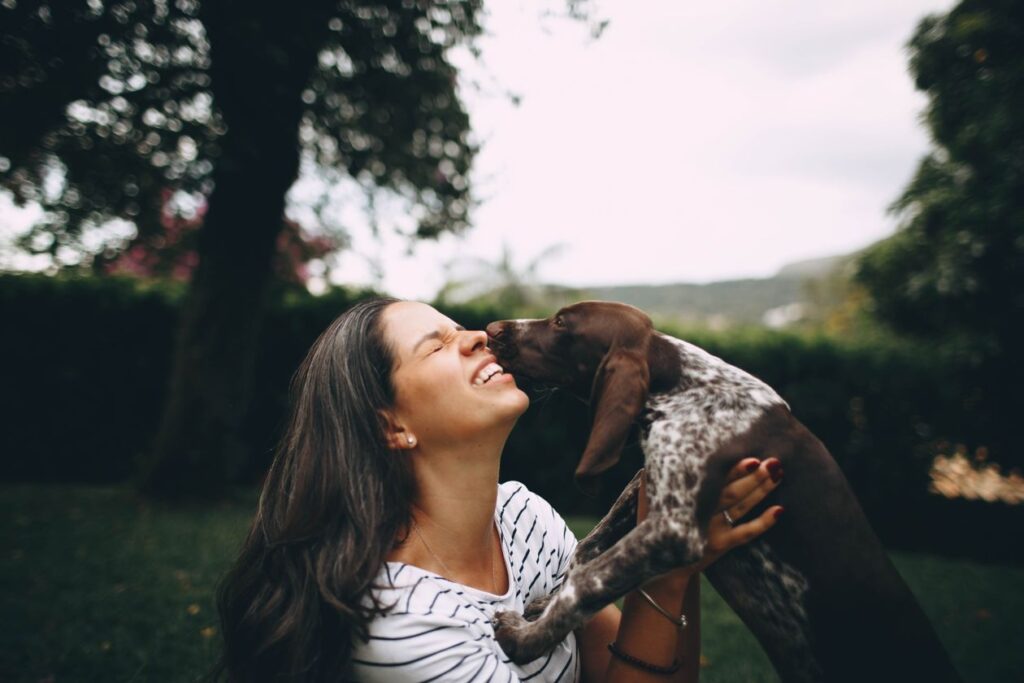
Dogs lick people for a handful of friendly, normal reasons: to greet you, to show affection and polite, appeasing intentions, to explore the taste and scent of your skin, and to get your attention — and because licking itself feels good to them. It’s communication dogs learn in the litter, and for most dogs and most people it’s completely harmless. Licking only becomes a concern when it turns constant or hard to interrupt, or when a dog starts licking its own body raw.
Is my dog kissing me when they lick me?
Sort of — but there’s more going on than kisses. Many owners read licks as affection, and certified applied animal behaviorist Dr. Mary Burch says licking can indeed be a sign of affection, one that may give a dog the same sense of security and comfort it had when its mother licked it in the litter. The behaviour started somewhere less romantic, though. Researchers who study wild canids report that puppies lick their mother’s face and muzzle when she returns from a hunt, hoping she’ll regurgitate food for them. Dr. Alexandra Horowitz of the Horowitz Dog Cognition Lab at Barnard College notes that what began as a food-seeking behaviour has become a ritualized greeting for many dogs — some wild canids lick pack members simply to welcome them home. Licking can also be an appeasement signal, a polite “I’m no threat.” And one thing it isn’t, Burch notes, is dominance: if anything, licking leans submissive.
Why does my dog lick my face, hands and feet?
Each spot offers a dog something different. Your face is where the greeting happens — and if your dog makes a beeline for your mouth right after you’ve eaten, that’s the old puppy food-request showing up, along with a taste of whatever was on the menu. Your hands carry the scent and flavour of your whole day, and dogs explore the world with their mouths. Your feet are a scent goldmine: sweaty feet carry salt and all kinds of biological information, and dogs have a special scent organ (the Jacobson’s organ) that lets them taste and smell at the same time. PetMD notes that dogs are drawn to stronger-scented places generally — hands, faces, ears and feet — which is why post-workout and post-shower licks are so common. You’re not just loved; you’re interesting.
Why does my dog lick me more than other dogs do?
Partly personality, partly training — and you may have done some of that training without noticing. The AKC points out that almost any response rewards licking: laughing, talking, petting, pushing your dog away, even saying “stop licking me!” all count as attention, and attention tells your dog the behaviour works. Licking also releases endorphins, the feel-good chemicals, in the dog, so it’s self-rewarding as well. Add salty skin after exercise, tasty lotion, or food smells on your hands, and some dogs simply build a strong habit. Dogs who are a bit anxious may lick more, too, because the behaviour is self-soothing — a dog who licks more during storms, visitors or departures may be telling you they’re stressed, not just affectionate.
Should I let my dog lick my face?
For most healthy people, the occasional lick is low risk — but let’s retire a myth first: a dog’s mouth is not cleaner than a human’s. All mammals carry plenty of bacteria in their mouths, and dog saliva can carry organisms that occasionally make people sick, usually when saliva reaches broken skin or the mucous membranes of the mouth, nose or eyes. Serious infections are genuinely rare, and most people who get licked never have a problem. Common sense keeps it that way: wash your face and hands after a slobbery greeting, and keep licks away from cuts, sores and broken skin. Be stricter with babies and young children, whose immune systems are still developing, and with anyone who is immunocompromised, elderly or pregnant — for them, it’s wiser to redirect the kisses to a hand and wash up afterwards. Keeping your dog’s teeth brushed, vet checks current and parasite prevention up to date lowers the risk further.
When is licking too much?
Intensity and control matter more than a lick count. Licking that’s constant, frantic or impossible to interrupt deserves a closer look. So does licking aimed at your dog’s own body: a dog who licks one paw or spot raw, bald or sore may be dealing with allergies, itchy skin, pain or infection rather than showing affection. Repeated licking of floors, furniture or the air can be linked to nausea or stomach trouble, and a sudden new licking habit — especially in an older dog — is worth mentioning as well. This is general information, not a diagnosis: if your dog’s licking has changed, become excessive, or is causing sores, check with your vet. Once medical causes are ruled out, a certified behaviour professional can help if anxiety, boredom or a compulsive habit is driving it.
How can I get my dog to lick less — gently?
You don’t need to ban affection; you just need to change what licking earns. When the tongue comes out, stay calm and boring: stand up, turn away, and withdraw your attention for a few seconds. Then redirect. The AKC’s Dr. Burch suggests choosing a behaviour that’s incompatible with licking — an interactive puzzle, a game of ball, or trick training. Even a simple sit can stop the licking on its own, and rewarding the sit teaches your dog what does earn your attention. Lick mats are another kind option: they tap into a dog’s enjoyment of licking in a positive way, giving the urge somewhere legal to go. Whatever you choose, be consistent — if one person laughs and pets while another pushes the dog away, the habit sticks. And never punish licking: it’s friendly communication, and scolding can add anxiety to the mix.
A licky dog is usually just a dog being a dog, greeting you the way dogs have greeted their families for thousands of years. Enjoy the affection, keep the hygiene sensible, redirect when it gets to be too much — and you’ll keep the best of both: the bond, with a little less slobber.