In this story
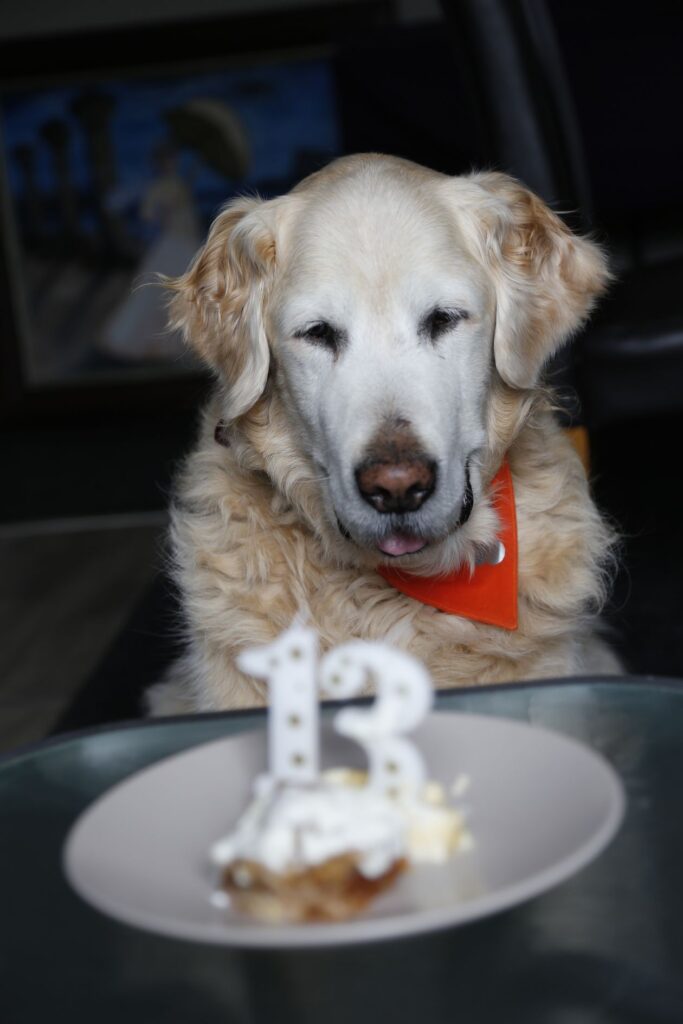
A senior dog in Toronto has usually seen it all: the ravine trails in every season, the off-leash parks at their rowdiest, the streetcar bells and the sidewalk salt. The grey muzzle years are not about doing less, exactly — they are about doing things differently, at a pace set by an older body in a city that rarely slows down.
This guide covers the Toronto version of the senior years: the licence, vet care and your emergency backup, mobility at home, gentle places to get out, and the seasonal hazards that matter more as a dog ages.

The licence: keep it current, and take the senior discount
Toronto licences do not retire when your dog does. Every dog in the city must be licensed and wear the tag, renewed every year — the annual cost is $25 for a spayed or neutered dog and $60 if not. Skipping the renewal risks a $240 ticket, and an up-to-date tag is still the fastest way home if an older dog wanders.
There is one genuine perk worth claiming: pet owners aged 65 and older get 50 per cent off licence fees, which brings a spayed or neutered dog down to $12.50 a year (the discount does not apply to the $5.65 replacement tag). Households with an income under $50,000 can also ask Toronto Animal Services about subsidized or waived fees. You apply and renew online through the City’s licensing partner, DocuPet. Two details to keep straight: if your dog was spayed or neutered later in life, update the record so you pay the lower fee, and if you have adopted a senior dog, transfer the licence into your name right away.
Vet care in the senior years — and your 2 a.m. backup
Senior care runs on a shorter clock than adult care. Many veterinarians suggest wellness visits roughly twice a year for older dogs rather than once, because the changes of aging — stiff joints, cloudy eyes, new lumps, teeth that have quietly gone bad — are easier to manage when they are caught early. Between visits, you are the monitoring system: a dog who hesitates at stairs, sleeps much more or drinks more water is telling you something, and none of it should wait for the annual appointment. What any of it means is a question for your own clinic, so check with your vet about anything specific to your dog’s health rather than guessing from a guide.
Then keep the emergency number where it has always been. The Veterinary Emergency Clinic at 920 Yonge Street provides emergency and critical care 24 hours a day, seven days a week, and has done since 1974, working alongside regular vets rather than replacing them. For a senior dog, having that number saved — and knowing the drive — is worth real peace of mind.
Mobility and comfort at home
Most senior-dog quality of life is decided indoors. Toronto housing stock works against older joints: hardwood floors, steep basement and porch stairs, condo elevators that mean long hallway walks. The fixes are unglamorous and effective — runner rugs along your dog’s main routes, a ramp or a carried trip for the worst stairs, a supportive bed in a draft-free spot, raised food and water bowls, and nails kept short, because long nails change how an old dog’s feet land.
Outdoors, swap one long march for several short, unhurried walks, and let your dog set the pace and do the sniffing — for a senior, a slow “sniff walk” around the block is exercise and entertainment in one. In winter, traction is the whole game: clear your own steps and walkway, choose plowed and salted-or-sanded routes over icy side streets, and consider booties, which solve grip and road salt at the same time.
Getting out around Toronto, gently
Toronto is kinder to old dogs than it first looks, because so much of its walking is paved and flat. The Martin Goodman Trail and the paved paths at Corktown Common, beside the Don River, make good out-and-back walks where you choose the distance. High Park’s paved paths work the same way, and the off-leash areas — Sunnybrook, High Park’s Dog Hill — are best visited at quiet off-peak times, when a senior can potter without being bowled over by the lunchtime crowd.
For dogs who need more structured help staying mobile, Four Paws Rehab & Fitness at 931 Queen Street West (second floor) offers canine rehabilitation under certified rehabilitation practitioners, including hydrotherapy in an underwater treadmill — the initial consultation includes a gait analysis and an underwater treadmill trial where appropriate. It works by veterinary consent, so it starts with a conversation with your own vet.
Seasonal hazards, senior edition
Winter is harder on an old body: cold stiffens arthritic joints, road salt burns and cracks aging paws — wipe or rinse feet after every winter walk — and a senior dog regulates temperature poorly, so deep-cold outings stay short. Summer flips the risk: heat and humidity off the lake tire older dogs fast, midday pavement can burn paws, and walks belong in the early morning and evening with water carried.
Year-round, add ticks to the checklist. Toronto Public Health’s tick surveillance has found blacklegged ticks — the kind that can carry Lyme disease — in city parks, with the Rouge valley area a particular hotspot, and the ravines are exactly where senior dogs still love to shuffle through leaf litter. Do a tick check after wooded walks, keep your dog on trail and on leash in the ravines, and ask your vet about tick prevention. The ravines are also coyote country, so supervise outdoor time at dawn and dusk, as the City advises.
Good to know before you go
The Toronto senior checklist, in short: licence renewed every year — half price if you are 65 or older; vet visits on the shorter senior cadence your clinic recommends, with changes reported between visits rather than saved up; the Veterinary Emergency Clinic’s number saved in your phone; rugs, ramps and paw care sorted before winter; and walks rebuilt around short, flat, interesting routes. Keep vaccination and licence records together in one folder — groomers, sitters and rehab clinics will ask for them. And whenever anything about your dog’s health worries you, check with your vet: a general guide is no substitute.
The grey-muzzle years in Toronto are slower, and that is not a complaint. For more places to enjoy them, explore our other Toronto guides on Canada Mutts — dog parks, trails, beaches and more.