In this story
Getting a puppy in Mississauga means raising a dog in a city of subdivisions, ravines and creek trails — a place where a fenced backyard is common, the leash-free zones are busy social hubs, and coyotes are a normal part of the landscape. The basics of puppyhood are the same as anywhere, but the local details matter: the licence, the by-law rules, and knowing which hospital is open at 2 a.m.
This guide covers the Mississauga version of a puppy’s first months: licensing, the first vet visit and the region’s 24-hour emergency hospital, settling in at home, socialization spots around the city, and the seasonal hazards — coyotes, ticks and summer heat — that come with Peel Region puppyhood.
Licensing your puppy in Mississauga
Mississauga’s Animal Care and Control By-law 0098-2004 requires every dog in the city to be licensed, with the tag visible on the collar — so licensing is a first-month job, not something to leave until your puppy is grown. A one-year licence costs $25 for a spayed or neutered dog or $50 if not, and two-year licences run $40 and $90. Owners 65 and older pay less ($15 or $25 for one year), and the City offers fee assistance for owners who qualify. You can buy a licence online through the City’s pet licence pages, by phone, by mail, or through Animal Services at 735 Central Parkway West. The City asks for your veterinarian’s information when you licence a spayed or neutered dog, which is one more reason to line up a vet early.
Two other by-law numbers shape daily life: dogs must be on a leash no longer than 1.8 metres whenever they are off your property and outside a leash-free zone, and households are limited to four animals. Your puppy will not care about any of this. You will, the first time you clip on a leash in a city park.
The first vet visit — and the overnight option
Choose a regular veterinary clinic near home and book a first visit in the first week or two. Puppies generally need a series of core vaccinations spaced a few weeks apart through their early months, plus rabies, along with deworming and a plan for microchipping and spaying or neutering. Bring the records your breeder, rescue or shelter provided, and use the visit to ask about parasite prevention — tick prevention matters in Peel, as you will see below. Schedules and products vary by puppy, so treat anything you read online as a general outline and check the specifics with your vet.
For after-hours emergencies, Mississauga-area clinics refer to the Mississauga Oakville Veterinary Emergency & Specialty Hospital at 2285 Bristol Circle in Oakville, right at the Mississauga border. It is open 24 hours a day, every day, and its phone number — 905-829-9444 — belongs in your phone before your puppy comes home. Puppies specialize in eating the inedible, and they rarely do it during office hours.
The first weeks at home
Settle your puppy into a routine from day one: regular mealtimes, one designated bathroom spot outdoors, and a crate or small penned sleeping area that feels like a den. Mississauga’s housing stock helps here — a backyard, even a small one, makes the every-hour-on-the-hour housetraining trips of the first weeks much easier than an elevator ride. Expect a few broken nights, a lot of chewing, and rapid progress if the routine stays boring and consistent.
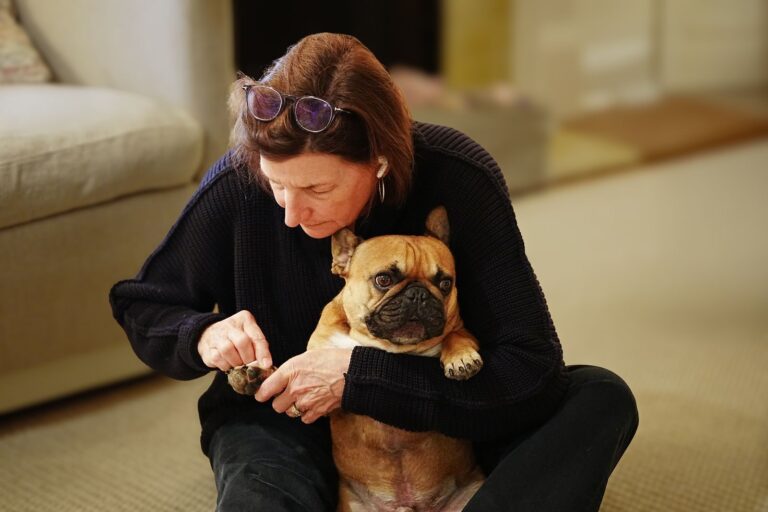
Practise gentle handling daily — paws, ears, mouth, collar — with treats, and start short leash sessions in the yard or on your quiet street. A puppy that is used to paw handling is easier to tick-check in May, and easier at the vet in every month after.
Socialization around the city
The key socialization window runs through roughly the first three to four months, overlapping the vaccination series, so aim for safe exposure: carry your puppy through new environments, arrange playdates with healthy, vaccinated dogs you know, and reward calm watching of traffic, strollers, skateboards and the GO train rumbling past.
Structured classes give that exposure a framework. Classic K9 Academy, on Matheson Boulevard East, runs training programs that start at the puppy stage, and Mississauga’s pet stores and training schools advertise puppy classes and socials throughout the year — check vaccination requirements before you register, since good classes insist on them. Save the leash-free zones for later, once vaccinations are complete and some recall training is in place: the City’s leash-free zones are all fenced, and the one at Garnetwood Park, beside the Etobicoke Creek trails, is a popular first off-leash outing. Go at a quiet hour the first time, and keep early visits short and positive.
Seasonal hazards for a Mississauga puppy
Coyotes top the list. They live throughout Mississauga’s ravines and green spaces, and the City is blunt about the rules: supervise pets outdoors, walk dogs on a short leash, never leave a puppy unattended in the yard, and be extra careful after dark. Activity spikes during the January–February mating season and again through the April–July denning season, when coyotes are defensive around their pups. If you meet one, stay calm, make yourself big and loud, and back away — never run.
Ticks are the quieter hazard. Blacklegged ticks — the kind that can carry Lyme disease — are now established in Peel Region, including southern Mississauga, and the American dog tick is common in local parks and trails. Do a tick check after every ravine or tall-grass walk from spring through fall, and ask your vet about tick prevention for your puppy. Summer adds heat and humidity: walk early and late, test pavement with your palm, carry water, and never leave a puppy in a parked car. Winter is the mild end of the GTA spectrum, but road salt still irritates puppy paws — rinse them at the door.
Good to know before you go
Licence right away and keep the tag on the collar ($25 a year spayed or neutered, $50 if not). Leash maximum 1.8 metres off your property. Maximum four animals per household. Emergency care around the clock: Mississauga Oakville Veterinary Emergency & Specialty Hospital, 2285 Bristol Circle, Oakville, 905-829-9444. And supervise every backyard minute — in Mississauga, that rule never comes off.
A Mississauga puppyhood is a suburban classic: backyard zoomies, creek-trail walks and a dog park social life — with a little paperwork and a lot of supervision to keep it safe. For more ways to enjoy the city together, explore our other Mississauga guides on Canada Mutts.