In this story
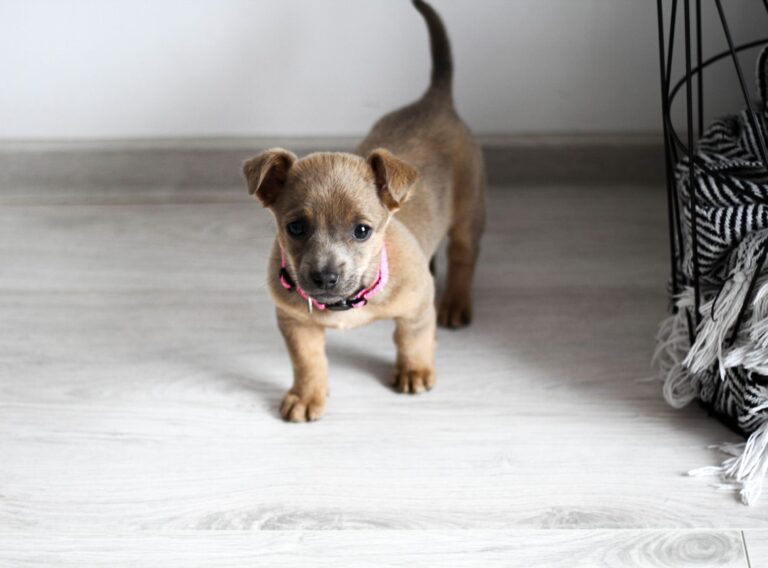
Vancouver is one of the kindest Canadian cities for a first-time dog owner. Winters are mild, the rain keeps the grass green all year, and there is an off-leash park in nearly every neighbourhood. The catch is space: most first-time owners here live in a condo or a townhouse, and many strata buildings set their own pet rules. The best first dog for Vancouver is one that is happy in a smaller home, forgiving while you learn the ropes, and content with a rainy walk and a run at the off-leash park.
The six breeds below all fit that description in different ways. They are gentle, social, and trainable — the three traits that matter most when you and your dog are both learning. None of them is truly low-maintenance, and every one of them needs daily exercise, training, and regular vet care. But each is a forgiving, good-natured place to start.

Cavalier King Charles Spaniel
The classic starter dog, and for good reason. Cavaliers are gentle, affectionate, and happy to curl up beside you after a short walk. At 13 to 18 pounds they fit easily into a condo, and they get along with children, visitors, and other dogs. Their silky coat needs brushing a few times a week to stay tangle-free. The honest catch is health: Cavaliers are prone to mitral valve disease, a heart condition, and to syringomyelia, so buy from a breeder who health-tests, or adopt through a breed rescue that screens its dogs. In Vancouver’s mild climate they are comfortable year-round, though they do feel the cold on a wet January morning.
Bichon Frise
Cheerful, clownish, and small enough for any apartment, the Bichon Frise is one of the easiest first dogs to live with. Bichons are friendly with everyone, rarely shed, and adapt well to condo life — though low-shedding does not mean low grooming: their curly white coat needs brushing and a professional clip every six to eight weeks. They are prone to skin allergies and dental problems, so budget for regular grooming and dental checkups. Bichons love company and can get anxious if left alone all day, so they suit owners who work from home or can arrange a midday visit.
Miniature Poodle
If you want a small dog that is also one of the smartest breeds alive, the Miniature Poodle is hard to beat. Poodles learn fast, which makes training a pleasure for a first-time owner, and their curly coat sheds very little — a plus in a small condo. The trade-off is grooming: the coat needs brushing and a professional clip every six to eight weeks, and matted curls are painful. Poodles can be prone to kneecap problems, called patellar luxation, and to eye conditions, so look for health-tested parents. At 10 to 15 pounds they are welcome in most strata buildings, even ones with size limits.
Greyhound
The surprise pick on this list. Retired racing Greyhounds are famously quiet, gentle, and lazy indoors — the “45-mph couch potato” is real. They need one good run a day, ideally in a fenced off-leash area, and then they are happy to sleep for hours. At 60 to 70 pounds they are bigger than most condo dogs, but they take up very little space and rarely bark. Their thin coat means they need a jacket in Vancouver’s winter rain, and they should never be let off-leash in an unfenced area — a Greyhound in full flight will not hear you call. They are prone to bloat and dental disease, and their thin skin tears easily, so gentle handling matters.
Golden Retriever
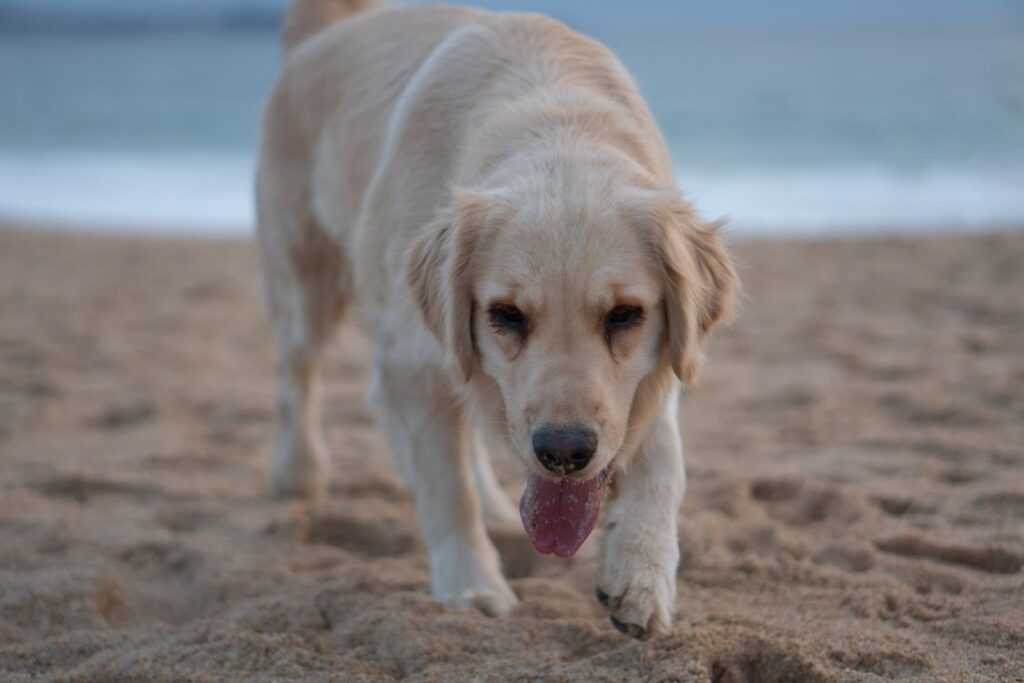
The friendliest dog on this list, and the one most first-time owners picture when they imagine a family dog. Goldens are patient, eager to please, and brilliant with children, which makes training feel easy. They do need real exercise — an hour or two a day, with swimming or fetch if you can manage it — and they shed heavily, all year. The honest catch is health: Golden Retrievers have one of the highest cancer rates of any breed, and hip dysplasia is common, so choose a breeder who screens hips and elbows. At 55 to 75 pounds they are a big dog for a small condo, but in a townhouse or a house near a park, they are hard to beat.
Labrador Retriever
Labs are the classic family dog for a reason: friendly, food-motivated, and endlessly forgiving of a new owner’s mistakes. That food drive makes training easy — a handful of kibble will buy you a lot of cooperation — but it also means Labs gain weight fast, so measure meals and skip the table scraps. They need a lot of exercise, ideally an hour or more a day, and they shed. Labs are prone to hip and elbow dysplasia, so again, health-tested parents matter. In Vancouver, a Lab’s love of water is a bonus: they will happily swim in the ocean year-round, rain or shine.
Good to know before you go
A few Vancouver specifics before you bring a dog home. Dogs over three months old must be licensed under the city’s Animal Control By-law No. 9150, and a household can keep no more than three dogs. Dogs must be leashed everywhere except in one of the city’s 36 designated off-leash areas, so a reliable recall is worth training early. If you live in a strata building, check the bylaws before you fall in love with a breed: under BC’s standard strata bylaws a strata may allow only one dog per unit, ban pets outright, or set a size limit — some buildings cap dogs at 20 kilograms, which rules out a full-grown Golden or Lab. And buy a good raincoat — for both of you. Vancouver dogs walk in the rain from October to April, and a dog that dries off quickly is a happier housemate.
Whichever breed you choose, the first year is a learning curve for both of you — and Vancouver is a wonderful place to learn it. For more local help, see our guides to dog parks in Vancouver, dog trails in Vancouver, and dog-friendly restaurants in Vancouver.