In this story
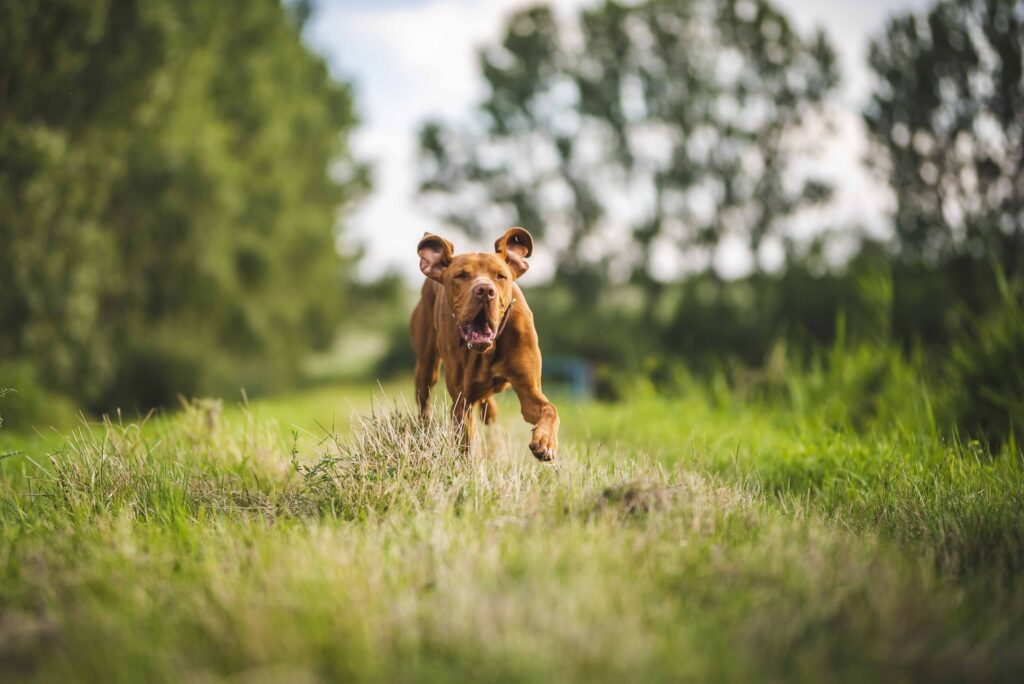
There is no cue that matters more than “come.” A reliable recall is the difference between a dog who can enjoy off-leash freedom at the park or on the trail — and a dog who has to stay clipped to a six-foot leash for life. The American Kennel Club calls coming when called one of the most important skills a dog can learn: a reliable recall is potentially lifesaving. If your dog bolts toward a road or another dog, “come” is the word that brings them back. The good news: recall is trainable for almost any dog, at any age.
Before “Come”: Two Foundations First
The AKC’s recall guide starts before the word “come” ever appears. Your dog needs two things first: their name, and a happy association with being caught.
The name game. Your dog’s name should mean “pay attention to me.” In a quiet room, wait until your dog is looking elsewhere, then say their name in a happy, excited voice. The instant they turn to look, mark it with a “yes” or a clicker, then praise and offer a favourite treat. Repeat until they whip around every time, then add small distractions like a toy on the floor.
The collar grab game. Most dogs flinch when a hand reaches for their collar — exactly the wrong response in an emergency. The AKC calls this the “gotcha” game: lure your dog in with a wonderful treat, let them nibble it, say “gotcha,” then gently take hold of the collar and release the rest of the treat. Over days, make the grabs faster and firmer. The goal is a dog who thinks a hand on the collar is good news.
Pick One Cue Word — and Pay Like It Matters
Choose a single recall word and stick with it. “Come” is the classic, but if your dog has already learned to ignore “come” — repeated a dozen times at the dog park with no result — that cue is “poisoned,” and you are better off picking a fresh word, like “here” or “close.” One word, said once, in a cheerful voice. Never use it for something your dog dislikes, like a bath.
Rewards are the engine of the whole thing. The UC Davis veterinary behaviour team puts it plainly: positive reinforcement is a vital component of recall training. Use whatever your dog loves most — tiny pieces of chicken or cheese, a quick game of tug, a tossed ball. Keep treats out of sight when you call, so your dog learns to come for the word, not for a visible bribe. Reward generously, especially early on: as the Edmonton Humane Society advises, if you stop rewarding, your dog will lose motivation to respond.
The Step-by-Step Plan
Step 1: Start indoors, a few feet away. In a quiet room, say your dog’s name, then your recall word once, in a bright, happy voice. Crouch down, pat your legs, or jog backwards — movement makes coming to you feel like a game. Reward the instant your dog arrives. Keep sessions to three to five minutes, a couple of times a day.
Step 2: Add distance and games. Once your dog comes happily from across the room, toss a treat a few feet away, then call as they finish eating it. Play round robin with a helper — two people taking turns calling the dog back and forth — or hide-and-seek: duck into another room, call once, and celebrate when your dog finds you.
Step 3: Move outside — on a long line. The backyard is next, then a quiet park. Practise on a long line (a 20- to 30-foot leash) or inside a fenced area, so your dog is safe if they do not respond. The line is a safety net, not a fishing rod: never reel your dog in with it. If they do not come, calmly walk over, collect them, and go back to an easier setup.
Step 4: Add distractions slowly. This is where most recalls fall apart — a squirrel, another dog, a fascinating smell. Add one distraction at a time, at a distance your dog can handle, and pay extra well for coming away from it. Only raise the difficulty when your dog succeeds about eight times out of ten; if they fail twice in a row, make it easier.
Step 5: Finish with a sit and a collar touch. Once your dog comes reliably, ask for a sit when they arrive, then touch the collar before the reward — so in real life you can clip the leash on calmly.
Mistakes That Undo a Recall
Repeating the cue. Saying “come, come, COME!” teaches your dog the first call does not count. Say it once; if nothing happens, go and get them calmly. Calling your dog for something unpleasant. If you need to end the fun, go to your dog instead of calling them in. Punishing a slow recall. Even if your dog took a scenic route through the mud, reward them for arriving. Chasing your dog. To a dog, being chased is a game you will never win; run away from them instead, or crouch down. Going off-leash too soon. There is no rule that says you ever have to let your dog off-leash — the AKC calls staying leashed the far more responsible option.
When Is Your Dog Ready for Off-Leash?
Be honest with yourself. A reliable recall means your dog comes enthusiastically the first time you call, even with another dog in view, even mid-sniff. The AKC puts the bar high — close to 99.99% sure — and admits no dog is ever 100% perfect. Before you unclip anywhere unfenced, your dog should be nailing recalls on the long line in distracting places, week after week, not just on a good day in the backyard. Remember that leash laws still apply: many Canadian cities require dogs to be leashed everywhere except designated off-leash areas, so save off-leash time for fenced dog parks and designated off-leash trails — not the neighbourhood sidewalk.
Keep It Strong for Life
Recall is a habit you maintain, not a trick you teach once. Keep paying for it — not with a treat every single time forever, but often enough, and unpredictably enough, that your dog never knows when the jackpot is coming. Practise a few recalls on every walk. Call your dog, reward them, then let them go back to what they were doing: that teaches them coming to you does not always mean the fun is over. Start today, in your hallway, with a handful of chicken and three minutes of your time — the payoff is a dog who can run, sniff, and play with real freedom, knowing that coming back to you is always the best choice on offer.
Sources: AKC — “How to Train Your Dog to Come When Called: Step-by-Step Recall” (akc.org); AKC — “How to Teach Your Dog to Come When Called” (akc.org); UC Davis School of Veterinary Medicine — “Recall Training in Dogs” (healthtopics.sf.ucdavis.edu); Edmonton Humane Society — Dog Behaviour Guide: Recall (edmontonhumanesociety.com); Whole Dog Journal — “Teaching a Reliable Recall” (whole-dog-journal.com).