Spring in Ottawa is a sensory season for dogs: the thawing earth, melting snow, and budding trees release a flood of new smells that can turn a normal walk into a full-on investigation. For owners this means walks become richer and — sometimes — more distractible. With a few practical adjustments you can make springtime strolls both safe and satisfying.
Start with expectations: your dog will likely want to stop more often to sniff. Allow time in your schedule for these pauses rather than rushing; sniffing is mentally enriching and tiring in a good way. If you need to keep moving, teach a reliable cue like “let’s go” or “heel” and reward your dog when they follow. Alternating sniffing sessions with brisk walking keeps both the mind and body exercised.
Ice and thaw hazards matter near Ottawa’s waterways. Stay mindful of thin ice in early spring and keep dogs away from the edges where thawing can be deceptive. Choose paths with clear footing and avoid riverbanks in rapid thaw. If you like canal-side routes, prefer later in the season when ice is fully gone and paths are drier.
Cherry blossoms and other spring blooms are beautiful, but crowding can spike during peak bloom weekends. Plan visits during quieter times — early morning or weekday afternoons — to reduce stress for dogs who are sensitive to crowds and commotion. If your dog gets overwhelmed by lots of people and cameras, pick secondary parks or residential routes with fewer visitors.
Allergies can show up in dogs too. Seasonal allergens may cause itchy eyes, sneezing, or skin irritation. If you notice excessive scratching, consult your vet for remedies or preventive measures. A gentle rinse after walks can remove pollen buildup and make your dog more comfortable.
Ottawa offers many surfaces — pavement, trails, and grassy parks — each with different spring conditions. Pavement can stay colder longer and retain wetness; grassy areas dry faster but can hold mud. Mix routes to give your dog a variety of textures while avoiding consistently soggy ground.
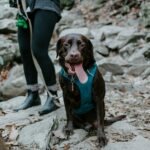
Carry basic gear: portable water, waste bags, and a towel for muddy paws. If your routes include longer stretches, bring a lightweight harness to spread pressure and reduce neck strain during excited sniffing. Reflective gear helps when daylight is low early or late in the season.
Finally, embrace the seasonal training opportunity. The new smells are perfect prompts for recall and impulse-control practice in real environments. Keep sessions short and positive: reward calm focus, and gradually increase challenge levels as your dog improves.
With patience and a small toolkit — awareness around waterways, flexible scheduling during blossoms, and basic gear — Ottawa’s spring walks can be richer, safer, and more enjoyable for you and your dog.