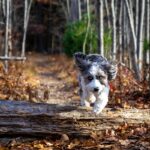
Toronto’s urban landscape makes spring walks a balancing act between city energy and accessible green spaces. As temperatures climb, sidewalks fill with people, patios open up, and waterfront paths become popular. For city dogs and their owners, the key is planning and small adaptations that make neighbourhood walks easy and enjoyable.
First, time your walks. Busy streets and waterfronts are nicest in the early morning or late evening when foot traffic is lighter. Short, frequent walks work well in dense areas — multiple 15–20 minute outings can be more effective and manageable than one long session. These shorter walks also avoid hot pavement later in the year and reduce exposure to sidewalk grime.
Mind the pavement. Toronto heat can make asphalt uncomfortable for paws. Test pavement temperature with the back of your hand: if it’s too hot for your skin, it’s too hot for paws. Stick to shaded routes, grass verges, or the waterfront paths which tend to be cooler. Booties are an option for sensitive dogs, but many owners prefer scheduling walks for cooler hours.
Public transit and crowded sidewalks introduce more distractions. Keep confident control with a comfortable harness and a short lead in dense areas. Teach your dog to walk politely around people and to ignore street-food temptations. Socialization remains important: expose your dog to different urban sounds — streetcars, buses, and cafes — in controlled, positive sessions so they feel comfortable rather than reactive.
Toronto has lots of micro-green spaces — community parks, dog-friendly trails, and linear parks. Explore different neighbourhood routes to find quieter pockets away from the busiest corridors. If you prefer off-leash play, identify local dog parks with good drainage and shade so playtime doesn’t turn into a muddy mess after rains.
Urban walking also opens opportunities: bring training treats to work on impulse control near cafes, or use walk time for micro-training sessions (sit-stay at crosswalks, leave-it near tempting food stalls). These short exercises increase mental stimulation and make walks more productive.
Pack essentials: water, portable bowl, waste bags, and a small towel for quick cleanups. If your dog spends time on balconies or in small apartments, include indoor enrichment like puzzle toys to supplement outdoor activity on days when walks are limited.
Finally, embrace neighbourhood culture. Toronto’s mix of parks, waterfronts, and multicultural streets makes every walk different. Rotate routes to keep your dog curious and engaged, and focus on comfortable, consistent routines: cooler hours, shaded routes, and short, regular outings keep city dogs healthy and happy through the season.