In this story
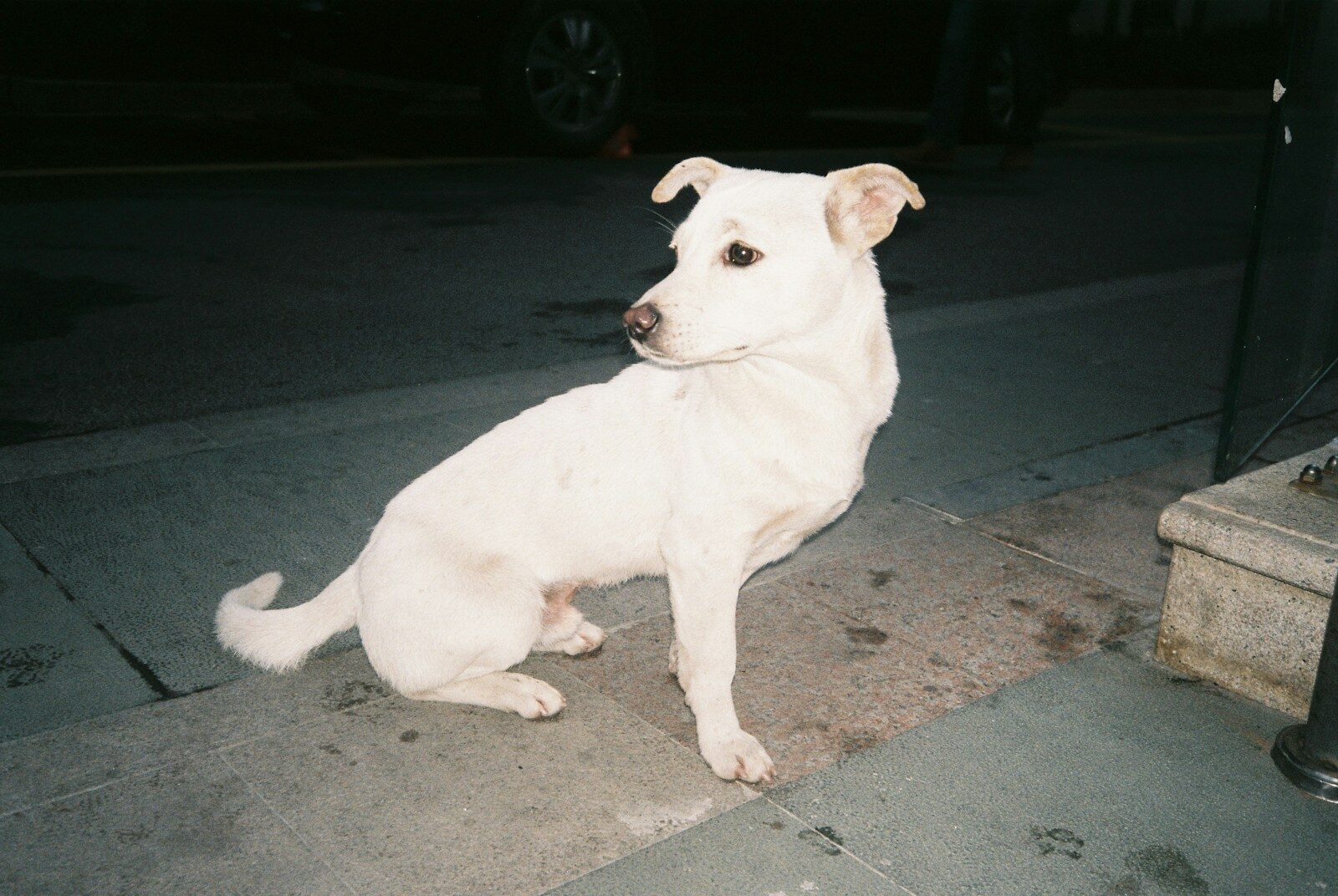
Keeping Your Dog Safe at Night in Toronto: A Responsible Pet Owner’s Guide
Nighttime in Toronto brings unique challenges and responsibilities for dog owners. From the long winters with their extreme temperature swings to the unpredictable summer weather, ensuring your canine companion stays safe through the night requires careful planning and consideration. This guide offers practical advice to help you create a secure environment for your dog, addressing common concerns specific to our city.
1. Creating a Safe Indoor Haven
No matter the season, your dog’s indoor space is their sanctuary at night. Making this space comfortable, secure, and hazard-free is paramount.
Temperature Control is Key
Toronto’s winters can be harsh, while summers can bring heatwaves.
* Winter: Ensure your dog has a warm, insulated bed away from drafts and windows. Provide extra bedding or blankets for insulation. Consider heated beds designed for pets, but use them cautiously and monitor your dog’s comfort and safety, especially if they have health issues. Ensure heating sources like space heaters are on a stable surface, out of reach, and have safety guards to prevent accidents. Never leave a heat source unattended or covered. Know the difference between cold danger (hypothermia) and heat danger (hyperthermia) – shivering is a cold sign, lethargy or panting excessive is heat-related.
* Summer: Prevent heatstroke by ensuring good air circulation. Provide access to fresh water at all times. Consider cooling mats or fans in their sleeping area. Avoid leaving dogs outside in hot weather, even with shade and water, as Toronto summers can be dangerous.
Noise and Anxiety
Many dogs are sensitive to household noises (vacuum cleaner, barking outside, thunder, fireworks, construction). Toronto’s urban environment and seasonal events can contribute to this.
* Provide a quiet, dark space where your dog can retreat if they become anxious. A crate or a covered bed can offer a sense of security.
* If fireworks or other loud events occur nearby, consider using white noise or calming music from a distance. Some owners find pheromone diffusers (like Feliway or Adaptil) helpful, but consult your vet.
* Ensure windows and doors are securely closed and double-checked to prevent escapes, especially if your dog is prone to bolting when scared.
Securing Your Environment
Prevent accidents and access to harmful items:
* Ensure all doors and windows leading outside are securely fastened.
* Put away cords, small objects, toxic substances (cleaners, medications), and anything small enough to be swallowed.
* Keep toxic foods and houseplants out of reach.
* Ensure your dog is securely leashed and supervised if they are allowed in areas with potential dangers like stairs or drop-offs.
2. Outdoor Safety and Security
Even in a city like Toronto, dogs often spend time outside, whether in a backyard, apartment balcony, or walking routes.
Backyard and Balcony Safety
- Fencing: Ensure your fence is secure against digging and jumping. Check for holes or gaps regularly. In Toronto, ensure your property meets municipal bylaw standards for pet enclosures.
- Supervision: Never leave a dog unattended in an outdoor sleeping area unless you are absolutely certain they are secure.
- Weather: Dress your dog appropriately for cold weather – consider coats and booties if they are prone to slipping on icy surfaces or getting paws wet/icy. Always check paws after being outside in snow or slush. In hot weather, ensure they have access to shade and water, and limit outdoor time.
- Predators: Be aware of local wildlife (foxes, raccoons) and potential neighborhood predators. Keep smaller dogs on leashes even in your own yard if there are other animals present.
Evenings and Early Mornings
Many dog owners enjoy evening walks or early morning exercise.
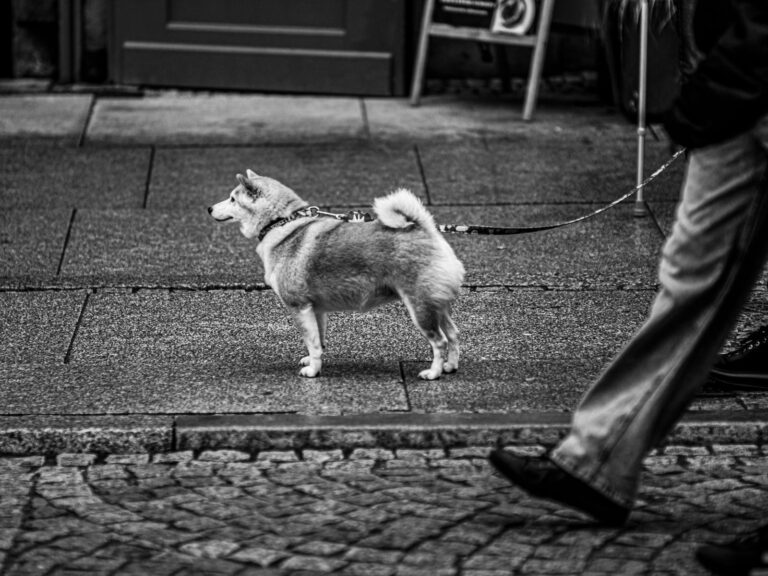
* Leash Laws: Always keep your dog on a leash and under control in public spaces like sidewalks, parks, and roads. Toronto has specific leash laws requiring dogs to be leashed at all times in certain areas.
* Supervision: Keep a close eye out for other dogs, children, traffic, and wildlife. Be prepared to stop or turn back if your dog becomes overly excited or anxious.
* Identification: Ensure your dog wears a securely fastened ID tag with your current contact information. Consider microchipping as a crucial backup form of identification. This is especially important in a large city like Toronto where dogs can easily wander off.
Public Spaces at Night
While Toronto has many dog-friendly parks, exercise caution after dark:
* Stick to well-lit, familiar areas.
* Keep your dog on a short leash (especially off-leash areas close to home).
* Be aware of your surroundings and potential hazards.
3. Emergency Preparedness
Being prepared for unexpected situations is crucial for your dog’s nighttime safety.
Emergency Kit
Prepare and keep near your bed an emergency kit specifically for your dog:
* Copies of medical records (veterinary information, allergies, medications).
* A well-stocked supply of any necessary medications.
* Collars (at least two, including ID tags).
* Harness or leash.
* Extra food and water.
* Bowls.
* A clean towel or blanket.
* A carrier or sturdy box.
* Copies of your insurance and vet contact information.
Know Your Neighbours and Local Resources
- Build rapport with your neighbours so you can look after each other’s pets if needed.
- Know the location of your nearest veterinary emergency hospital and your regular vet clinic.
- Be aware of your local Toronto Animal Services or local authorities in case your dog becomes lost.
Microchipping
If your dog doesn’t have a microchip, consider getting one. It’s a small implant under the skin that provides identification in case your dog gets lost. Ensure the information registered with the microchip company is up-to-date.
4. Toronto-Specific Considerations
Living in Toronto adds some unique factors:
* Winter Driving: If you must leave your dog in a parked car during winter, ensure the temperature inside remains safe. Never block the windows, leave an emergency number outside (like a note on the windshield with your phone number), and only do so for the shortest time possible. Cars can become dangerously hot or cold quickly, even with the engine off.
* Public Transport: Generally not recommended to transport dogs on public transit after dark due to safety and noise concerns. Use designated dog transit services if available.
* Lost Dog Protocols: Familiarize yourself with Toronto Animal Services’ procedures for reporting a lost dog. Post flyers in your community if your dog goes missing.
Conclusion
Keeping your dog safe at night in Toronto involves a combination of creating a secure indoor environment, ensuring outdoor safety when necessary, and being prepared for emergencies. By being proactive and thoughtful, you can help ensure your best friend enjoys a safe and comfortable night’s sleep, no matter the season. Responsible pet ownership is an ongoing commitment, and nighttime safety is a vital part of it. If you have specific concerns, always consult your veterinarian for personalized advice.