In this story
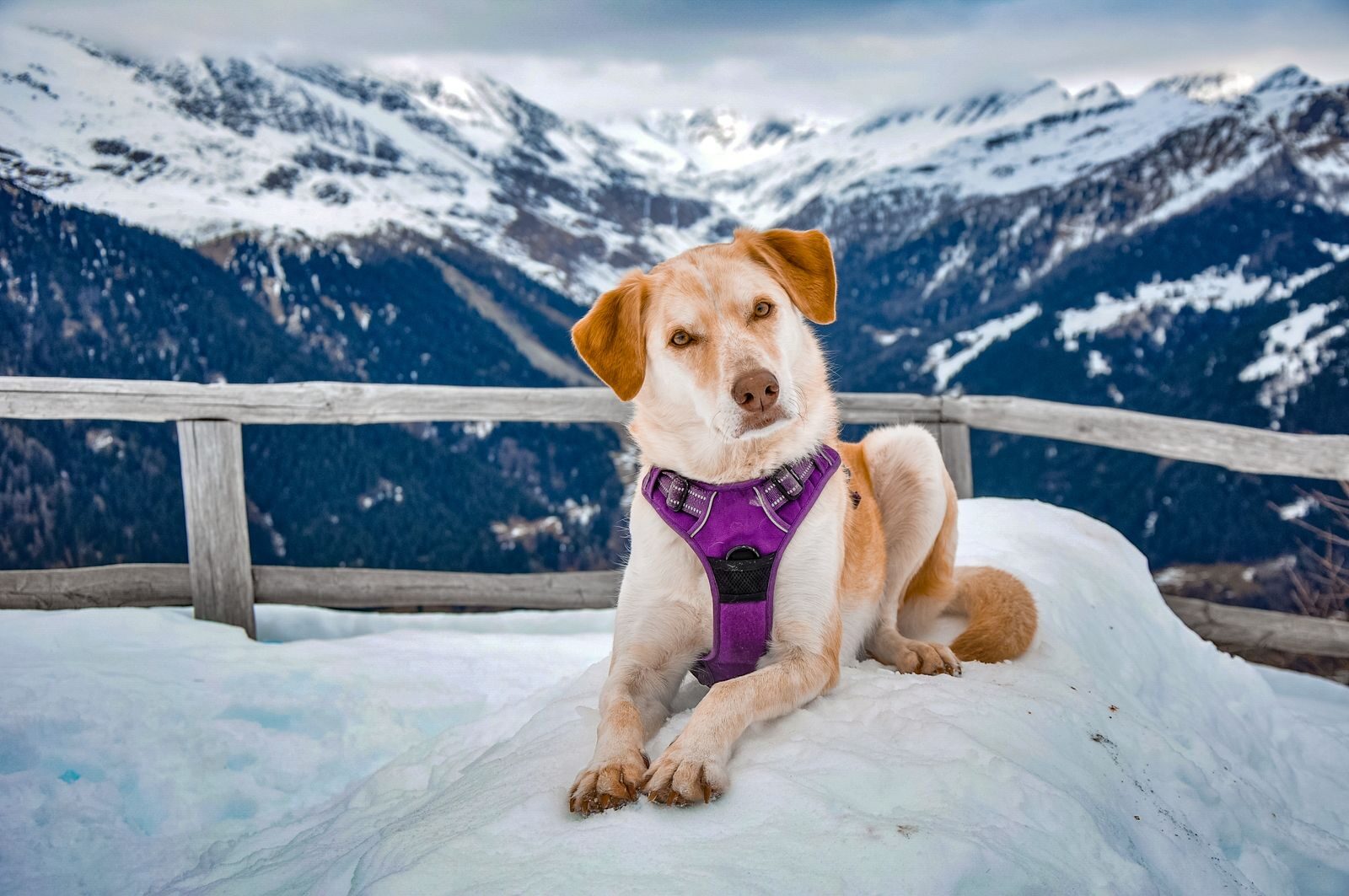
Why a Harness Often Wins Over a Collar
Many Ottawa dog owners start with a collar and tag set, but as their furry companion grows or if they plan more adventurous activities like hiking near Algonquin Park or pulling a small cart around the Byward Market, a harness often becomes the superior choice.
Harnesses offer several distinct advantages:
- Even Pressure Distribution: Unlike collars which can tighten around the neck, a properly fitted harness distributes pressure across the chest and shoulders, reducing strain on sensitive tracheas and throat.
- Control and Safety: Harnesses provide better control during walks, making recall training easier. They are essential for attaching to leashes, especially for dogs that pull or for use with safety equipment.
- Comfort for Active Dogs: Active breeds common in Ottawa (Labradors, Golden Retrievers, Border Collies, etc.) often prefer the comfort and unrestricted breathing of a harness.
- Identification: While a tag is still vital, a harness can also hold ID information, adding a backup layer of safety if your dog gets lost near Kanata or during walks in Gatineau Park.
The Golden Rule: Proper Fit is Everything
Regardless of the style or material, a harness that doesn’t fit correctly can cause discomfort, chafing, or even injury. Never buy based solely on size charts; always check the fit.
Here’s how to assess a harness fit:
- Looseness: The harness should feel snug but not restrictive. When you place your hand under the harness, you should only be able to fit one or two fingers comfortably.
- No Wrapping: The harness should not slip up, twist excessively, or dig into your dog’s skin or coat, especially around the chest area near the neck.
- Check the Rise: Many harnesses have a strap under the chest called the rise strap. Ensure it’s adjusted correctly according to the manufacturer’s instructions, usually snug against the chest but not digging in.
- Comfort: Let your dog wear the harness briefly (like during a short walk or some indoor time) to ensure they’re comfortable. Observe for any signs of chafing later.
Decoding Harness Styles
Not all harnesses are created equal. The right style depends on your dog’s size, coat type, activity level, and your preferred walking style.
- Standard Chest Harness: The most common type, covering the chest and often featuring a belly strap for extra security. Great for most dogs and activities. Look for designs from small Canadian makers.
- No-Rise Harness: Similar to the standard chest harness but lacks the belly strap. These rely on the chest strap for positioning and are popular for dogs with sensitive bellies or owners who prefer less restriction.
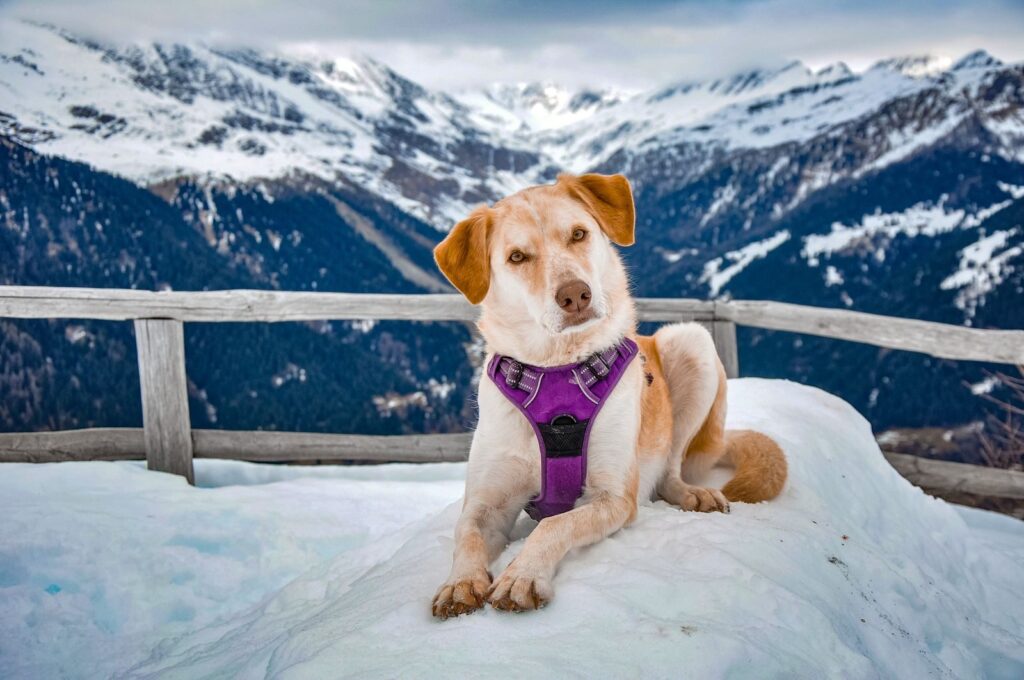
- Hiking/Hiking Leash Harnesses: These often feature a D-ring high up on the chest for attaching a backpack or snow hiking equipment. They offer maximum freedom of movement.
- Winter Harnesses: Designed for cold weather, often made with waterproof or insulated materials. Many feature a high neck closure to protect the neck from snow and wind during walks in Ottawa’s colder months.
- Reinforced Harnesses: These have extra padding or a stronger webbing design, often recommended for larger, strong pullers or for dogs with sensitive skin.
- Chest Strap Harnesses (“No-Strain” Harnesses): These put pressure on the chest rather than the neck or throat when pulling. While popular, ensure they fit correctly to avoid pressure on the esophagus.
- Breakaway Harnesses: These have a buckle that releases under pressure (like a carabiner). Crucial for safety around traffic or busy roads in Ottawa, as they prevent the dog from being strangled if they grab something.
Material Matters
The material affects comfort, durability, and suitability for different conditions:
- Webbing: The classic choice. Strong, durable, and comfortable against the skin. Look for nylon webbing, often preferred for its strength.
- Neoprene/PVC: Often used for winter harnesses. Waterproof and provides some insulation, but can sometimes cause chafing if seams rub against the coat or skin.
- Velvet or Soft Fabric: Often used for areas prone to chafing (like the chest strap). Comfortable but may not be as durable or weather-resistant.
- Reflective Elements: Especially important for harnesses used during early morning or evening walks in Ottawa parks or for dogs frequently walked on busy downtown streets. Ensure reflective elements are strategically placed.
Essential Features to Look For
Beyond style and material, certain features enhance safety and usability:
- Strong Buckles: Look for strong, easy-to-use buckles, often double the thickness of the webbing for added security.
- D-Rings: Multiple, strong D-rings are standard. You’ll attach the leash here. Ensure they are corrosion-resistant, especially if your dog enjoys Lake Ontario beaches or Gatineau Park trails.
- ID Compatibility: While tags are vital, some harnesses have loops or compartments for securely attaching ID tags.
- Safety Warnings: If walking near roads, ensure the harness has a breakaway link or is breakaway-certified. This is vital for walks near Ottawa’s highways or busy downtown streets.
- Comfort Padding: Padding on the chest and neck areas can prevent chafing, especially for dogs with long coats or sensitive skin, particularly during hot summer days in Kanata.
Beyond the Basics: Ottawa-Specific Considerations
Living in Ottawa means experiencing all seasons and diverse environments. Your harness choice might need to adapt:
- Winter Warmth: While insulation helps, ensure it doesn’t trap too much heat. A well-fitting insulated harness allows your dog to breathe and move comfortably even during winter walks.
- Summer Safety: Choose breathable materials. Light colours reflect heat. Ensure harnesses with reflective elements are used for evening walks on Ottawa’s pathways.
- Trail Etiquette: Whether hiking near Algonquin Provincial Park or walking in the Ottawa River pathways, a secure harness is essential for control and safety.
- Local Parks: From the Duck and Cover Playground to Meridian Park, ensure your dog’s harness allows for freedom of movement while maintaining control.
- Small Canadian Makers: Support local businesses like those found at local craft fairs or online marketplaces. They often prioritize comfort and quality, reflecting Ottawa’s community spirit.
When to Replace Your Harness
Even the best harness can wear out. Replace it if:
- The webbing shows signs of fraying.
- Buckles or connectors are damaged or stiff.
- The harness becomes uncomfortable for your dog.
- The fit changes (e.g., your dog has grown).
- You notice chafing or skin irritation.
The Final Tie-Down
Choosing the right harness for your Ottawa dog is an investment in their comfort, safety, and enjoyment of all the city has to offer, from peaceful neighbourhood strolls to energetic adventures in the Gatineau Hills. By focusing on proper fit, material, and features suited to your dog’s needs and the Ottawa climate, you’ll find the perfect harness that makes every walk a tail-wagging success.
Remember, the best harness is one that fits well and your dog loves wearing. Happy walking in Ottawa!