In this story
How Cold is Too Cold for Your Dog?
As a Montreal pet parent, you’re no stranger to our winters. Snow-covered streets, cozy indoor boots, and the promise of hockey season – it’s all part of the charm here. But when the mercury drops, you might wonder: how cold is too cold for our four-legged friends? Unlike humans, dogs don’t have the luxury of mittens, scarves, or heated homes to bundle up in. Their ability to withstand the cold depends on a combination of breed, age, health, and how we care for them.
Understanding the limits of your dog’s cold tolerance isn’t about setting arbitrary time limits outdoors, but rather about recognizing signs of discomfort and taking appropriate action. This guide will help you navigate Montreal’s colder months safely with your canine companion.
Signs Your Dog is Too Cold
Dogs communicate when they’re uncomfortable, especially in extreme temperatures. Learning to spot the signs of hypothermia or frostbite is crucial for your dog’s safety.
- Shivering: While common in cold water, shivering on land indicates your dog is trying to generate heat and may be too cold. Unlike humans, dogs don’t shiver just from excitement or nervousness in the same way.
- Hypothermia Symptoms: As the core body temperature drops below 37°C (98.6°F), watch for:
- Weakness or lethargy
- Slow heart rate
- Shallow breathing
- Lack of coordination
- Bluish gums
- Collapse
- Loss of body heat (cold extremities)
- Frostbite Symptoms: Check for pale or bluish-white skin on extremities (ears, nose, tail, paws):
- Ice crystals forming
- Swelling
- Redness
- Tenderness or reluctance to have those areas touched
Breed Matters: Cold Tolerance Varies
Just like people, dogs have different tolerances to cold based on their breed. While many purebred dogs have been developed for specific climates, general categories help:
Naturally Cold-Tolerant Breeds
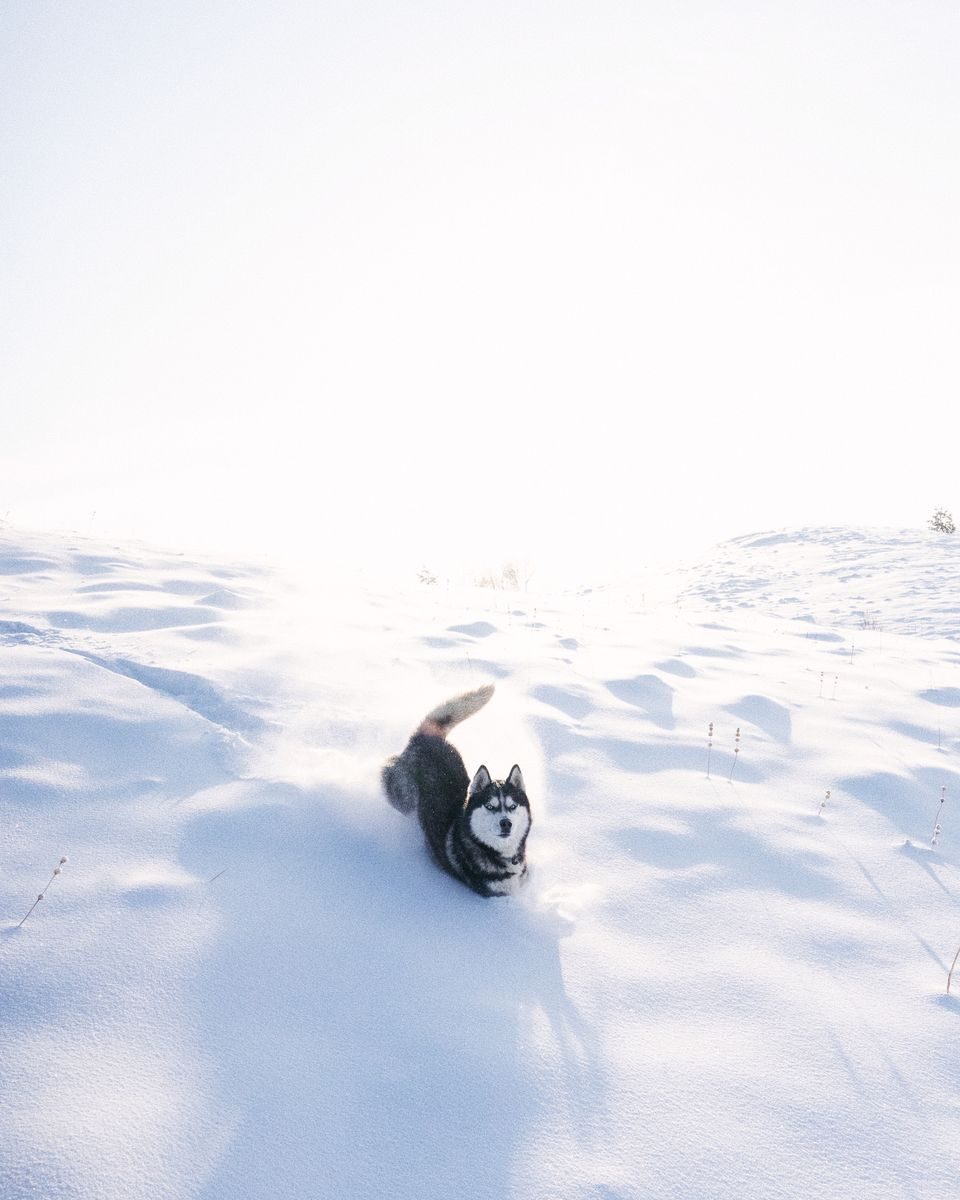
- Double-Covered Breeds: Breeds with thick double coats, like Huskies, Malamutes, Samoyeds, and German Shepherds, are built for colder climates. Their fur provides excellent insulation.
- Native Canadian Breeds: Breeds like the Canadian Inuit Dog (Qimmiq) or certain types of Bernese Mountain Dogs evolved to handle cold weather.
Less Cold-Tolerant Breeds
- Single-Coated Breeds: Dogs with only one layer of fur, such as Whippets, Greyhounds, and Basenjis, struggle to keep heat in.
- Hairless Breeds: Despite their name, many hairless breeds were developed in warm climates (e.g., Basset Hounds, Shih Tzus). They rely heavily on body heat.
- Short-Haired Breeds: Breeds like Dachshunds, Boxers, and Beagles have less insulation and are more susceptible.
- Very Small Breeds: Poodles, Pomeranians, and Chihuahuas have small body mass but high surface area, leading to faster heat loss.
Age and Health Factors
- Puppies: Their metabolism isn’t fully developed, and they can’t regulate temperature as effectively. Keep them indoors.
- Senior Dogs: They often have reduced metabolism and may have arthritis, making them more vulnerable.
- Overweight Dogs: While they might seem well-insulated, excess fat isn’t as effective at heat retention as muscle or a proper coat.
- Medical Conditions: Dogs with heart disease, respiratory issues, or hypothyroidism may struggle more in the cold.
- Brachycephalic Breeds: Breeds like Bulldogs or Pugs have compromised respiratory systems, making cold air harder to handle.
How to Check Your Dog’s Temperature
Dogs’ normal body temperature ranges from 38°C to 39°C (100°F to 102°F). Below 37.2°C (99°F) is cause for concern. Use a digital rectal thermometer for accuracy.
How Long Can Dogs Stay Outside in the Cold?
There’s no one-size-fits-all answer, but here’s a general guideline based on wind chill warnings:
- Mild Cold (Wind Chill above -15°C / 5°F): Most healthy, cold-tolerant breeds can handle up to 30-45 minutes.
- Cold (Wind Chill -15°C / 5°F to -25°C / -13°F): Limit to 15-25 minutes, even for tolerant breeds.
- Very Cold (Wind Chill below -25°C / -13°F): Only short, frequent breaks for potty trips, even for tolerant breeds. Indoor-only is safest.
- Extreme Cold (Wind Chill below -30°C / -22°F): Keep dogs indoors. If outside is unavoidable, limit time to absolute minimums.
Key Factors Influencing Duration
- Wind Chill: Wind dramatically increases the feeling of cold. Check Montreal weather forecasts for wind chill values.
- Humidity: Moisture can increase heat loss.
- Sun Exposure: Slightly warmer, but still limit exposure.
- Activity Level: Exercise generates heat, but don’t overdo it.
Protecting Your Dog from Montreal’s Cold
Prevention is always better than cure. Here’s how to keep your dog safe:
Gear
- Coats: Many coats are designed by Canadian companies or small Quebec artisans. Ensure a proper fit – it should be easy for your dog to move and eliminate heat effectively if needed.
- Sweaters & Pajamas: Bulky options provide extra warmth, especially for indoor relief.
- Booties: Protect paws from ice, salt, and chemicals. Montreal winters can be harsh on paw pads.
- Hats: Needed for very cold weather or short-nosed breeds, but often unnecessary if they have a coat.
Other Protective Measures
- Limit Exposure: Avoid prolonged time outdoors, especially during the coldest part of the day.
- Provide Shelter: Ensure access to a dry, insulated indoor space.
- Warm Water: Provide fresh water in an insulated bowl to prevent it from freezing.
- Check Paws: After walks, check between paw pads for ice balls (cryofracture) and remove gently.
- Avoid Frostbite Spots: Pay extra attention to ears, nose, and tail.
Montreal-Specific Considerations
- Public Spaces: While places like Parc Jean-Drapeau might be tempting for a winter walk, always prioritize your dog’s comfort. If your dog shows any sign of cold stress, head indoors.
- Urban Heat: Sometimes city environments can be slightly warmer than the stated temperature, but this doesn’t mean you can extend outdoor time indefinitely.
When to Seek Immediate Help
If you suspect your dog has hypothermia or frostbite:
- Move them indoors to a warm, quiet space.
- Wrap them in a blanket or towel.
- Offer warm (not hot) water or warmed food.
- Contact your veterinarian or an emergency vet clinic immediately.
- Do not rub frostbitten areas – this can cause further damage.
Conclusion: Prioritize Your Dog’s Comfort
Montreal’s winters are beautiful, but protecting your dog from extreme cold is paramount. By understanding breed differences, recognizing the signs of cold stress, limiting exposure, and using appropriate gear, you can ensure your furry friend stays happy and healthy all season long. Always prioritize their comfort and safety over the number of minutes they spend outside.
Related posts:
 Finding the Perfect Pup: Dog Breeds Suited for Montreal Condo Living
 Finding Your Perfect Match: Dog Breeds Suited for Montreal’s Detached Lifestyle
 Renting with Your Furry Friend in Montreal
 Understanding and Managing Your Dog’s Fall Allergies in Montreal
 Montreal Dog Safety at Night: A Community Guide for Responsible Pet Owners