In this story
A house with a backyard is the classic Toronto dog setup. From the semis of East York and Etobicoke to the detached lots of Scarborough and North York, the fenced yard is where a Toronto dog does a lot of its living — and compared with an apartment or a townhouse patio, it changes the dog you can have. There is room to sprint, grass to dig in, and a door you can open at 6 a.m. instead of a leash and an elevator.
That space suits a different kind of dog: bigger, busier breeds whose energy a condo could never absorb. The six below genuinely use a backyard — they fetch, patrol, dig and burn off steam between walks — and Toronto’s ravine trails, 81 off-leash areas and summer dog beaches handle the rest.
Labrador Retriever
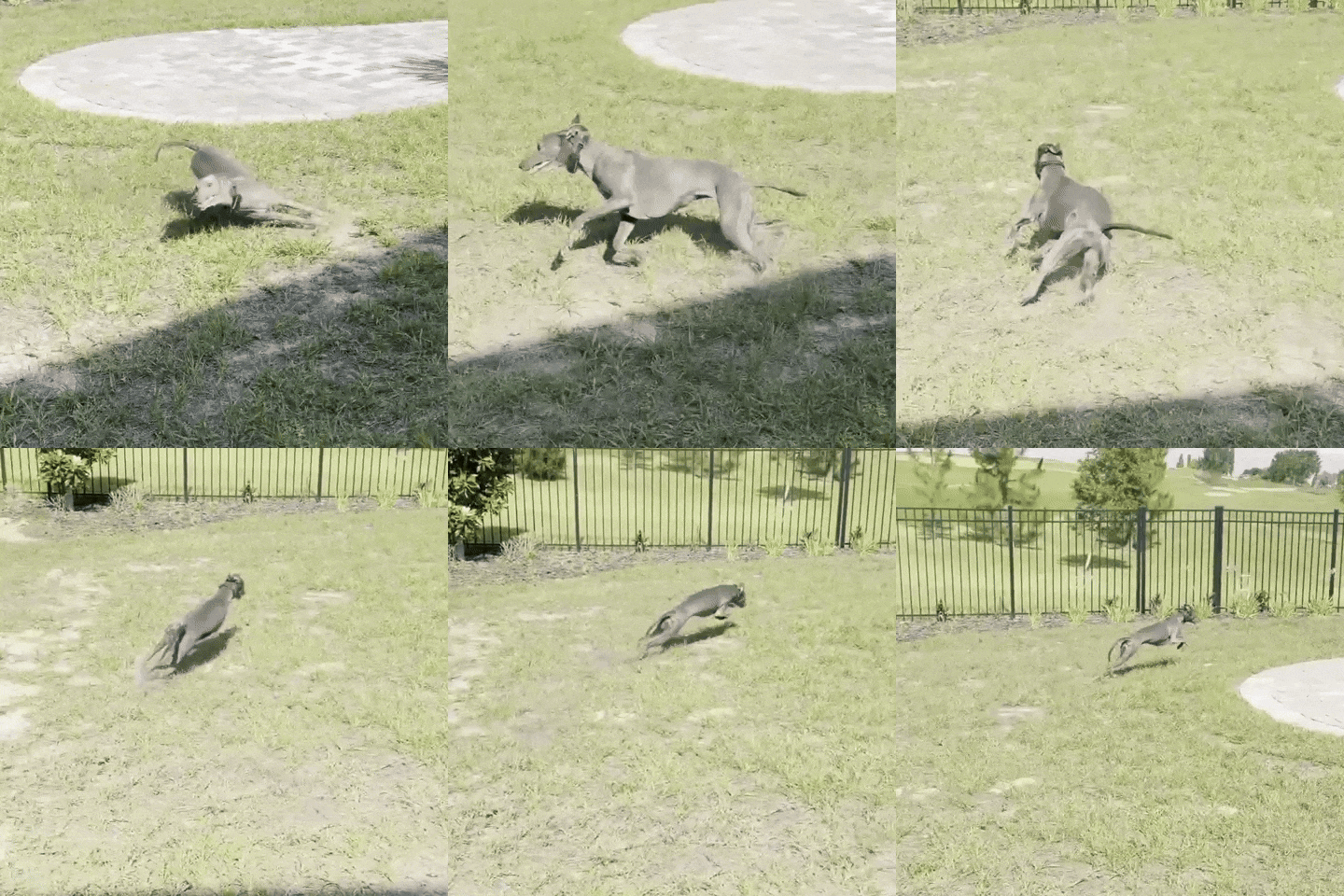
The Lab is the backyard dog other breeds are measured against. At 25 to 36 kg it needs the room a house provides: a lawn long enough for a real game of fetch, space for a kiddie pool in July, and a dog that will happily do both, then ask for more. A Toronto backyard gives that working engine somewhere to run between walks.
The honest costs are shedding and enthusiasm. That double coat redecorates a house twice a year, and a young Lab’s idea of gardening is excavation — give it a digging corner of its own. In return you get a dog that swims at the lake all summer, plays in January snow without complaint, and settles indoors once exercised.
Border Collie
A Border Collie in an apartment is a management problem; a Border Collie with a backyard is a hobby. This is the smartest dog on the list, bred to work sheep all day, and it treats a fenced yard as a training ground — fetch with rules, agility obstacles, scent games, a job, any job.
The yard alone will not tire one out: Collies need their brains worked as much as their legs. Toronto helps — ravine trails for long weekend hikes and off-leash areas for a proper run. Owners who enjoy training get the most loyal coworker in the dog world; owners who wanted a couch dog should keep reading.
German Shepherd
The German Shepherd is the backyard guardian: 22 to 40 kg of loyal, watchful dog that takes its property seriously. A house suits the breed — a yard to patrol, a family to keep track of, and room for the training this intelligent dog thrives on. Shepherds bond hard and want to be involved in everything the household does.
That protectiveness needs managing. Early socialization and steady training turn a Shepherd into a calm, confident neighbour; without them, the dog behind the fence becomes the street’s problem barker. They shed impressively — the nickname “German Shedder” is earned — and they need a real daily workload, not just yard access.
Siberian Husky
Huskies are why Toronto’s fence rules matter. Bred to run for hours in the snow, a Husky treats a backyard as base camp: it races the fence line, digs with genuine purpose, and regards a gate left ajar as an invitation. January, when the city averages around minus 5°C, is a Husky’s favourite season — expect a dog that asks to stay outside in weather that sends you back in.
The deal is exercise and containment. A Husky needs a long daily run on top of yard time, a fence it cannot dig under or climb, and owners who find the singing, shedding and stubborn streak charming. In the right house, few dogs are more fun in a Canadian winter.
German Shorthaired Pointer
The German Shorthaired Pointer is the athlete of the list: a lean, tireless hunting dog born to run, swim and retrieve. A Toronto house gives a Pointer the launch pad — morning fetch in the yard, evening walks, and weekend swims at the dog beaches, where this breed is in its element.
Under-exercised, a Pointer will invent its own projects, usually involving your garden or your drywall. Given a genuine daily workload, though, they are affectionate, eager family dogs who settle well indoors. Short coats mean easy cleanup after mud season — and little protection in deep cold, so winter runs are brisk ones.
Australian Shepherd
Despite the name, the Aussie is a North American farm dog, and it behaves like one: herding children, organizing the yard, inventing tasks when none are provided. At 18 to 29 kg it is the compact end of this list, but the energy is full-size — an Aussie with a backyard and a frisbee routine is a happy dog.
They are famously trainable, which makes them stars of the city’s agility and dog-sport scene. The caveats are the herding instinct (ankles, especially small running ones, get supervised) and a thick coat that sheds in tumbleweeds. For active households, an Aussie turns a backyard into a partnership.
Good to know before you go
Toronto’s rules apply whatever the housing type: every dog must be licensed — $25 a year for a spayed or neutered dog, $60 if not, 50% off for owners 65 and older — and wear its tag; the ticket for an unlicensed dog is $240. Off your own property, dogs must be on a leash no longer than two metres, and a household may keep a maximum of three dogs.
The fence is the backyard dog’s whole world, so know its limits: Toronto’s fence bylaw (Municipal Code Chapter 447) caps rear and side yard fences at 2.0 metres for a house lot, and going taller needs a City exemption. Check that gates latch securely — delivery drivers leave them open — and walk the fence line each spring looking for dig spots and gaps, especially with Huskies and Shepherds. A pool needs its own bylaw-compliant enclosure, with a permit and inspection before it is filled; a fence that keeps a dog in is not automatically a legal pool enclosure.
Wildlife is the other backyard reality. Coyotes live across Toronto and travel the ravine system, and the City advises supervising dogs in the yard — especially at dawn and dusk — never leaving pet food outside, and keeping garbage secured; coyotes can jump and dig, so a fence is a deterrent, not a guarantee. Finally, plan for the seasons: shovel a yard path and a bathroom patch in winter, and expect paw prints everywhere when the spring thaw turns the lawn to soup.
A house with a backyard is where Toronto’s bigger, busier dogs belong — room to run, a fence to patrol, and the whole city beyond the gate. For more ways to get out together, explore our other Toronto guides on Canada Mutts.
Related posts:
 Top Dog Groomers in Toronto: 100+ Pet Salons & Spas to Pamper Your Pup
 Finding Your Perfect Canine Companion: Dog Breeds Suited for Toronto’s Detached Life
 Dog-Friendly Events & Festivals in Toronto
 Adopting a Senior Dog in Toronto: A Heartwarming Choice
 Is Your Toronto Dog Bored? Signs & Solutions for Canine Contentment