In this story
A house with a backyard is the exception in central Montréal — single-detached houses are only about 7 percent of homes city-wide. But head west to the West Island, where detached houses are the majority, or off-island to the suburbs, and the classic setup appears: a house of your own, a fenced yard, and room for a dog to run.
That yard changes the breed equation completely. Full-speed fetch, a digging corner, a kiddie pool in July and snowbanks to leap in January — a backyard opens the door to the bigger, higher-energy dogs that would bounce off a plex’s walls. The trade-offs are Montréal ones: snow-buried yards and fences that must hold determined dogs. Here are six breeds that make the most of it.
German Shepherd
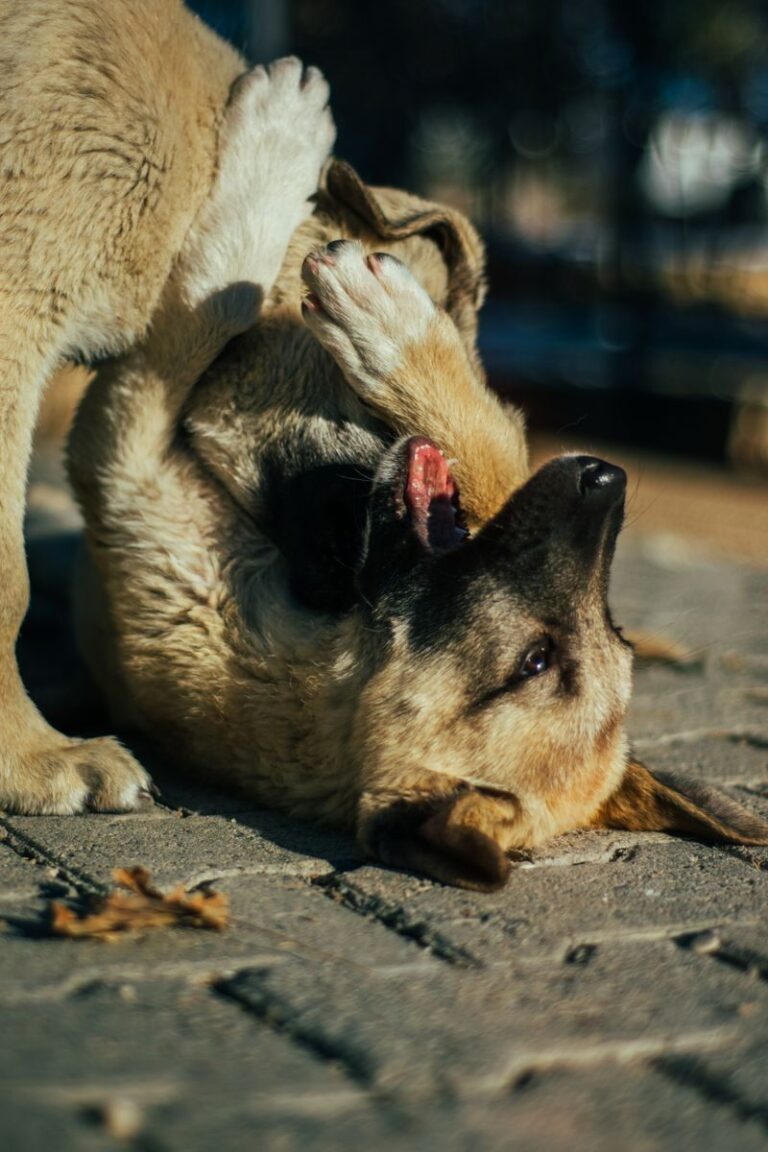
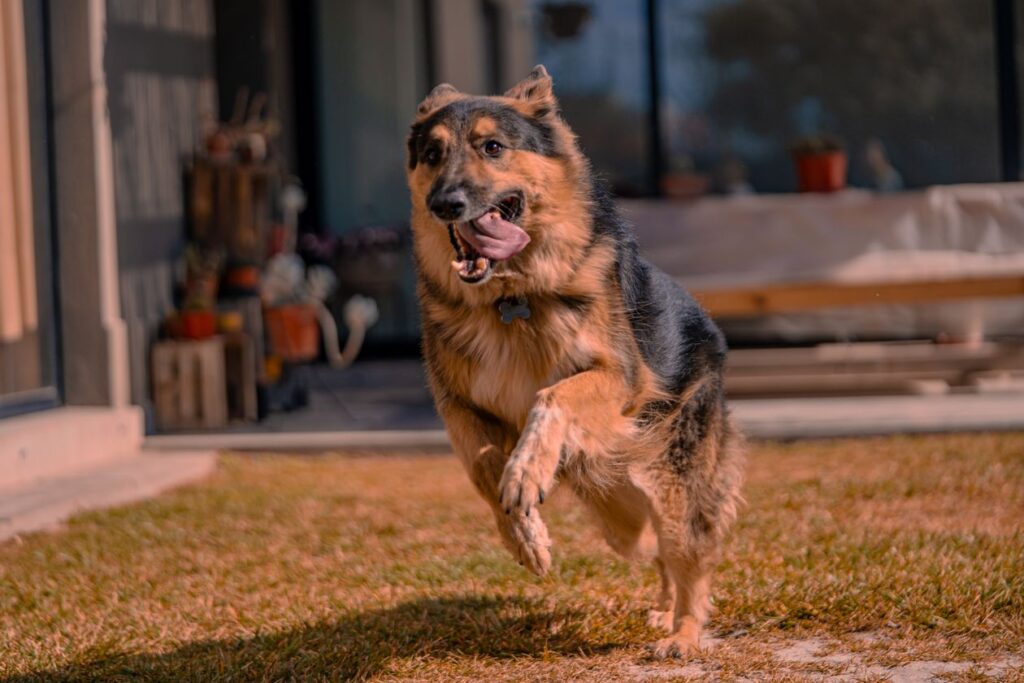
The German Shepherd is the backyard dog in the photo above: at 22 to 40 kg it is a big, athletic dog that uses every metre of a yard. Shepherds are loyal, confident and trainable, and a fenced yard becomes their training ground — fetch, tracking games, and obedience work between walks.
That brain is the commitment. A Shepherd with a yard but no job will patrol, bark and invent duties; give it tasks and exercise and you get one of the most devoted family dogs there is. The thick double coat handles a Montréal winter easily — and sheds twice a year.
Siberian Husky
If any breed was built for a Montréal backyard in February, it is the Husky. At 16 to 27 kg, Huskies carry a dense double coat made for real cold, and a snowy yard is not an obstacle — it is the whole point. Expect joyful laps in fresh snow long after you have gone back inside to warm up.
The caveat is security. Huskies are the escape artists of the dog world: they dig under fences, test gate latches and can climb more than you would believe. A Husky yard needs a tall fence, a latched gate and a dig guard along the fence line. They also sing — the famous woo-woo carries through a quiet street.
Border Collie
The Border Collie turns a backyard into a workplace, and that is exactly what it wants. At 14 to 20 kg it is the smallest dog here, but few breeds burn energy like a Collie with a frisbee and room to run — a good yard session is a genuine workout, not a warm-up.
Collies are brilliant and intense in equal measure. Without jobs they will herd children, chase shadows and reorganize your garden; with training games, fetch and a weekend run at the dog park, they are focused, affectionate partners. The medium double coat shrugs off winter, and snow adds a new surface to work on.
Bernese Mountain Dog
The Bernese is the gentle giant of the list: 32 to 52 kg of calm, affectionate dog that needs a backyard partly for exercise and partly to have room to be enormous. Berners are patient family dogs, happiest near their people, and a yard gives them space to amble, play in short bursts and supervise the household.
Winter is their season — a Berner in fresh snow is a dog in its element, and that thick coat was made for alpine cold. Summer is the management: shade, water and a kiddie pool are essentials, and exercise shifts to mornings and evenings in a heat wave.
Golden Retriever
The Golden is the backyard classic: 25 to 34 kg of enthusiasm that treats a fenced yard as a fetch arena, a snow playground and, if there is a pool or a sprinkler, a water park. Goldens are friendly with everyone, eager to please and sturdy enough for every Montréal season.
They do need the exercise to be real — an hour or more a day, with the yard covering the in-between games. In return you get a dog that plays hard outside and settles sweetly inside. Budget for shedding and for mud: a Golden will find the one wet corner of the yard, in April especially.
Australian Shepherd
Despite the name, the Aussie is an American farm breed with a Canadian-sized work ethic: 18 to 29 kg, athletic, clever and always looking for the next task. A backyard suits it beautifully — room for fetch, frisbee and a home-made agility course — and Aussies are devoted, watchful family dogs.
Like the Collie, an Aussie without a job finds one, usually involving digging or redecorating. Training, games and daily runs keep that energy pointed the right way. The weatherproof double coat handles snow and cold rain, and most Aussies treat a Montréal winter as working weather.
Good to know before you go
The city’s rules: every dog needs a licence — $31.80 a year, applied for within 15 days of the dog coming home — and the tag must be worn at all times. Dogs over six months old must be spayed or neutered and microchipped, and a household may keep up to three dogs. In public, dogs stay on a leash no longer than 1.85 metres, and a dog weighing 20 kg or more — nearly every breed on this list — must wear a harness or head halter. Off-leash time happens only in dog parks, more than 65 across the city, with a maximum of two dogs per person.
Renting the house? Check the paperwork before the breed. In Québec, a landlord can prohibit animals in the lease, and that clause is binding — a tenant who signs it must comply, on pain of having the lease cancelled. One wrinkle: in March 2026 the housing tribunal annulled one tenant’s no-pet clause, but it is under appeal and applies to that case — get pet permission in writing before you sign. One protection is solid: a landlord can never demand a pet deposit in Québec.
Then the yard itself. Fences work harder here than anywhere: walk the line each spring for heaved posts and gaps, fit a self-closing latch, and remember that a deep snowbank against the fence lowers it — a dog that could not clear the fence in October may step over it in February. Shovel a path and a clear patch, fence off any pool, and wipe paws after walks on salted sidewalks. January averages around minus 9°C, so water bowls and kiddie pools are summer-only equipment.
A Montréal backyard is four seasons of dog joy — fetch in June, snow laps in January. For more ways to get out together, explore our other Montréal guides on Canada Mutts.