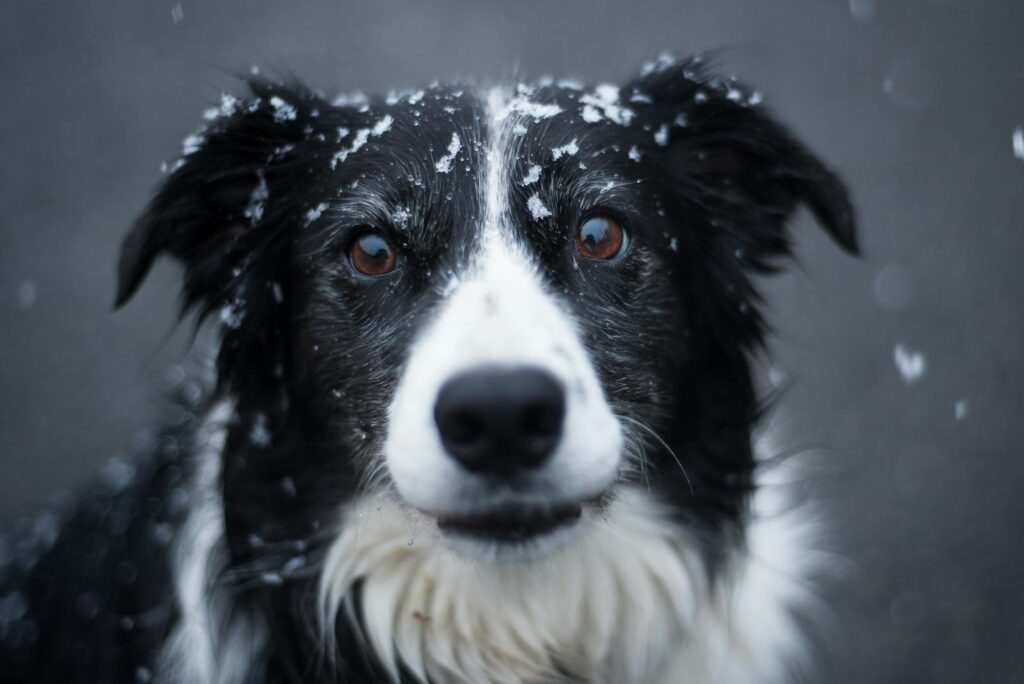

Winnipeg Winters: Keeping Your Dog Comfortable When It’s Freezing Outside
Winnipeg’s winters are legendary for their bone-chilling cold. As a responsible dog owner in this climate, understanding how cold is too cold for your furry companion is crucial. This guide will help you navigate the challenges of keeping your dog comfortable and safe during the harsh Manitoba winters.
More Than Just Feeling Cold
It’s important to distinguish between feeling cold and actual cold stress. While humans might bundle up to endure chilly temperatures, dogs react differently, and what feels uncomfortable to us can be dangerous for our canine friends. Understanding your dog’s tolerance levels is the first step to ensuring their well-being during the winter months.
Factors Affecting Your Dog’s Cold Tolerance
Several factors determine how well your dog can handle Winnipeg’s frigid temperatures:
- Breed: This is perhaps the most significant factor. Dogs with thick, insulating coats (like Huskies, Malamutes, and German Shepherds) tend to handle colder temperatures better than those with short or thin coats (like Greyhounds, Whippets, or Basset Hounds). Breeds specifically bred for cold climates, such as Siberian Huskies or Alaskan Klee Kings, are generally more suited.
- Coat Type: Double-coated breeds (like Golden Retrievers or Shih Tzus) generally fare better than single-coated breeds. The type and condition of the coat matter significantly.
- Age: Puppies, senior dogs, and dogs with health issues (like heart disease, arthritis, or hypothyroidism) are often less tolerant of the cold and require extra care.
- Weight and Body Condition: Overweight dogs have more insulation and usually handle the cold better than thin dogs. Maintaining a healthy weight is important even for cold tolerance.
- Health: Dogs with compromised immune systems, respiratory issues, or those on certain medications (like steroids) may be more susceptible to cold stress.
- Acclimatization: Dogs gradually acclimatizing to the cold over time may handle it slightly better than those exposed suddenly.
- Activity Level: A tired dog will feel the cold more intensely than an active one.
What is Cold Stress in Dogs?
Cold stress occurs when a dog cannot generate enough body heat to stay warm, leading to potentially life-threatening conditions. There are different levels of cold stress, ranging from mild discomfort to hypothermia and frostbite.
Signs Your Dog is Too Cold
Being aware of the signs of cold stress is vital. If you see any of these, bring your dog indoors immediately:
- Shivering: While a normal response to cold, persistent or vigorous shivering is a red flag.
- Hypothermia Symptoms: Slow heart rate, weak pulse, pale or blue-tinged gums, lethargy or stupor, slow breathing, cold extremities.
- Frostbite: Look for white or bluish discoloration, hard or cold skin, swelling, and sometimes blistering on the ears, face, paws, or tail.
- Behavioural Changes: Increased clinginess, seeking the warmest indoor spots, reluctance to walk or play.
How Cold is Too Cold? A General Guide
While individual tolerance varies greatly, here’s a general guideline for Winnipeg conditions, keeping in mind that your dog’s specific needs are most important:
| Temperature Range | Dog Types Requiring Caution | Action Needed |
|---|---|---|
| Below -20°C (-4°F) | Most dogs, especially thin-coated breeds, seniors, and those with health issues. | Limit outdoor time significantly, keep coat brushed, consider protective gear. Indoor walks recommended. |
| Below -30°C (-22°F) | Most dogs, particularly small breeds, short-coated breeds, seniors, and those with health issues. | Avoid prolonged outdoor time. Use protective gear. Prioritize indoor time. Consult your vet for specific advice. |
| Below -40°C (-40°F) | Almost all dogs, except possibly those specifically bred for extreme cold (like Siberian Huskies kept in optimal conditions). | Minimize outdoor time to absolute essentials (potty breaks). Use all available protective gear. Indoor stays are safest. |
Important Caveat: These are general guidelines. Always prioritize your dog’s comfort and consult your veterinarian for breed-specific and individual advice based on your dog’s health, age, and coat type. What might be tolerable for one dog isn’t necessarily safe for another.
Keeping Your Dog Comfortable in Winnipeg Winter
Prevention is key to keeping your dog safe during Winnipeg winters:
Protective Gear
While some owners debate the necessity of coats, many find them helpful, especially in extreme cold or for dogs with thinner coats:
- Coats: Choose a coat designed for dogs, with a secure fit. Look for options from small Canadian makers or local pet stores.
- Socks: Protect paws from ice melt chemicals, extreme cold, and potentially harmful snow/ice. Ensure they fit properly.
- Booties: Can protect paws from ice melts, slush, and freezing temperatures. Easy-to-clean dog booties are available.
- Hats: For dogs with long ears (like hounds or terriers), ear protection can be important.
Indoor Comfort
- Warm, Draft-Free Spaces: Ensure your home has a warm, cozy indoor space away from drafts.
- Heated Pads or Beds: Provide safe, pet-friendly heating options. Consult your vet about safety.
- Check Surfaces: Ensure floors in your home are not extremely cold (e.g., avoid leaving dogs on uninsulated tile floors for long periods).
Outdoor Time Management
- Limit Duration: Keep outdoor time short and only for necessary potty breaks.
- Timing: Avoid the coldest parts of the day if possible (typically late morning to early afternoon).
- Warm-up: Allow dogs outside in milder temperatures to warm up gradually before bringing them into extreme cold.
- Hydration: Ensure fresh, unfrozen water is available at all times.
Checking with Your Vet
- Discuss your dog’s cold tolerance during your annual check-up.
- Ask about breed suitability for Winnipeg’s climate.
- Get advice on appropriate protective gear and safe winter activities.
Conclusion: Safety First, Comfortable Paws
Winnipeg winters demand extra care for our dogs. By understanding their individual tolerance, recognizing the signs of cold stress, and taking practical steps to keep them warm and comfortable, you can ensure your furry friend stays happy and healthy all season long. Always prioritize their safety and consult your veterinarian for personalized advice tailored to your unique dog and the specific Winnipeg winter conditions.