In this story
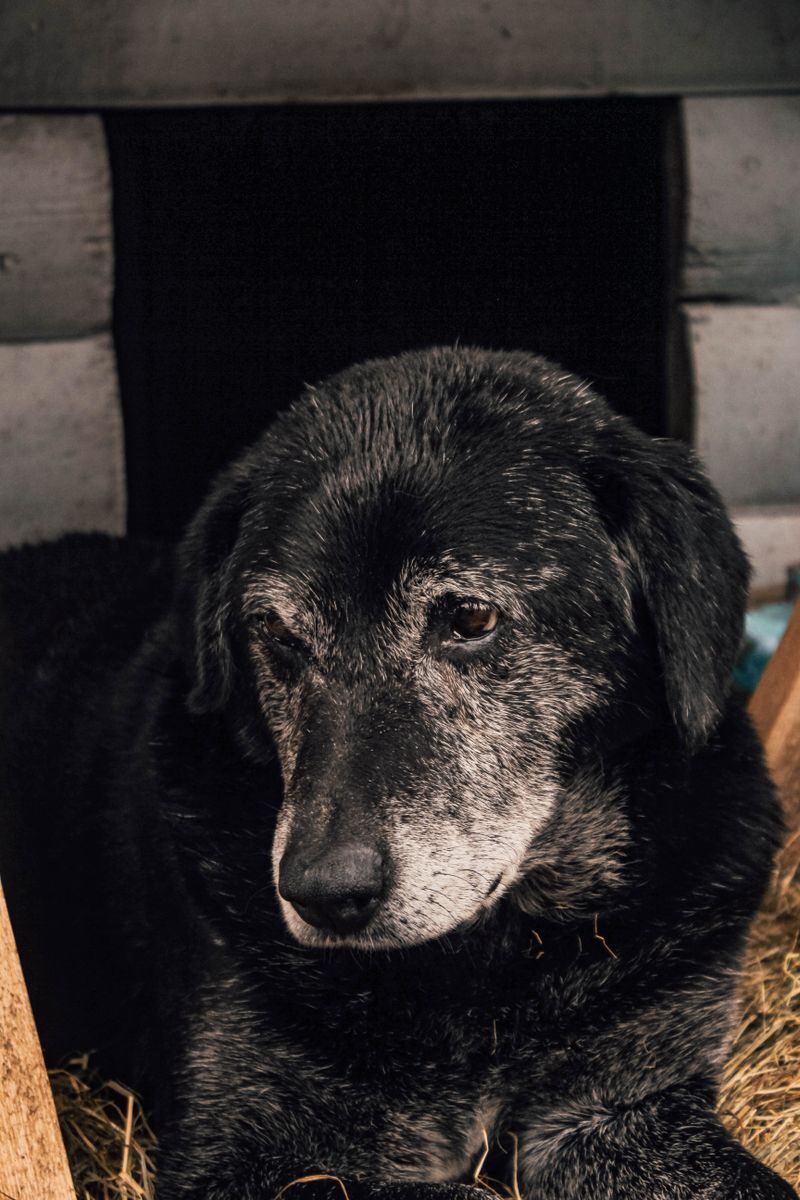
Spotting the Early Signs of Arthritis in Your Brampton Dog
As a dog owner in Brampton, you know how important it is to keep a close eye on your furry companion’s health. Arthritis, that common condition affecting our canine friends, might seem daunting, but catching it early can make a world of difference. It’s not just about waiting until your dog clearly shows discomfort before seeking help. Proactive care, especially in a place as welcoming as Brampton where dogs are a beloved part of the community, can go a long way.
Arthritis in dogs isn’t just a senior dog issue. It can affect dogs of all ages, especially those with certain predispositions or who’ve experienced joint injuries. Understanding what it is and how to spot the early warning signs means you can be a champion for your dog’s mobility and comfort right here in Brampton.
What Exactly is Arthritis?
Before diving into the signs, let’s briefly explain what arthritis means for our dogs. Arthritis, or osteoarthritis, is a condition where the cartilage in the joints breaks down over time, causing pain and inflammation. It’s not just something that happens suddenly; it often develops slowly, making early detection crucial.
In a city like Brampton, where dogs often enjoy active lifestyles and beautiful parks like Credit River Conservation Area or Centennial Park, the wear and tear on their joints can accumulate. But understanding arthritis helps you appreciate the importance of monitoring your dog’s movement patterns, especially if they’re active year-round.
Common Causes of Arthritis in Dogs
While age is a significant factor, arthritis can strike dogs for several other reasons too:
- Overweight or Obesity: Extra weight puts immense pressure on joints, accelerating wear and tear.
- Breed Predisposition: Certain breeds, like Labrador Retrievers or German Shepherds, are more prone.
- Injury or Trauma: Past injuries, even old ones, can lead to arthritis.
- Genetics: Some cases are inherited.
- Metabolic Diseases: Conditions like Cushing’s disease or hypothyroidism can contribute.
Being aware of these factors isn’t about assigning blame but understanding potential risks in the context of your dog’s lifestyle in Brampton.
The Crucial Need for Early Detection
Early detection is your most powerful tool. When arthritis is caught in its early stages, treatment options are often more effective and less invasive. This is especially important for Brampton dog owners who want their pets to enjoy the great outdoors and family activities without limitations.
Waiting for obvious symptoms like noticeable limping or reluctance to move can mean your dog has already experienced significant discomfort. Think of it like catching a small issue before it becomes a major problem – it’s about being a vigilant member of the Brampton pet community.
Early Warning Signs to Watch For
Arthritis doesn’t usually announce itself with a grand entrance. Often, the signs are subtle and can be easily overlooked. Here are common indicators to look out for:
1. **Changes in Activity Levels
This is often one of the first signs.
* Reduced Exercise: Your dog might seem less enthusiastic about walks or playtime.
* Reluctance to Jump: Hesitation to jump into the car or onto furniture.
* Less Eagerness for Play: They might not initiate games or tug-of-war as they used to.
If your dog, like many Brampton residents enjoy hiking or visiting parks, a noticeable dip in their usual energy levels warrants a closer look.
2. **Stiffness, Especially After Rest or Activity
Dogs with early arthritis often become stiffer after periods of rest (like sleeping) or after physical activity.
* Difficulty Rising: Struggling to get up from a lying position.
* Stiff Gait: Noticeable limping or awkward movements, especially after waking up or resting.
* Clinging to Leash: Holding onto the leash tightly due to stiff joints.
Observe carefully during short walks or after quiet rest periods to catch these nuances.
3. **Changes in Sleep Patterns
Arthritic pain can disrupt sleep.
* Less Sleep: Sleeping less than usual.
* Fidgeting: Restless sleep with frequent position changes.
* Waking Up: Getting up more frequently during the night.
Pay attention to how your dog settles and moves during their sleep cycle.
4. **Altered Grooming Habits
Pain can sometimes lead to neglect in certain areas.
* Decreased Grooming: Less licking or cleaning of paws or tail area.
* Changes in Coat: A duller coat or patchy fur might occur if they’re uncomfortable reaching certain areas.
While not always directly joint-related, these changes can still be telling signs.
5. **Licking or Biting Joints
Dogs often lick or bite areas of discomfort.
* Excessive Licking: Particularly around the elbows, knees, or hocks.
* Visible Redness or Swelling: Check for any signs of inflammation.
If you notice these behaviours, it’s time to consider a vet visit.
6. **Groomer or Vet Feedback
Sometimes, professionals notice things before you do.
* Groomer Comments: Ask about any stiffness or difficulty they’ve observed.
* Veterinary Checkups: Regular visits are crucial for subtle signs.
Your regular vet in Brampton knows your dog and can perform subtle observations during routine checkups.
7. **Behavioural Shifts
Pain can manifest in unexpected ways.
* Increased Cuddliness: Seeking more comfort and closeness.
* Mood Changes: Appearing more irritable or anxious than usual.
* Decreased Trainability: Less responsiveness to commands.
These changes can be frustrating, but they’re often a dog’s way of communicating pain.
What to Do If You Notice These Signs
If you suspect early arthritis, don’t panic, but act decisively:
- Schedule a Veterinary Visit: This is the most important step. A Brampton vet can confirm the diagnosis and recommend appropriate testing.
- Monitor Closely: Keep a journal of your dog’s behaviour, activity, and any changes.
- Discuss Diet and Weight Management: If overweight, this is a critical first step.
- Consider Environmental Adjustments: Provide ramps, orthopaedic beds, and limit stairs.
Making Brampton Living Easier for an Arthritic Dog
Living in Brampton offers many opportunities, but managing arthritis requires thoughtful adjustments:
- Comfortable Sleeping Areas: Orthopaedic beds can provide crucial support.
- Assistive Devices: Ramps for cars or stairs can make a big difference.
- Adapted Exercise: Shorter, more frequent walks or swimming can help maintain mobility.
- Warmth: Ensure your dog stays comfortable, especially in cooler Brampton weather.
- Low-Impact Activities: Consider dog sports like scent work or controlled swimming.
Beyond the Vet Visit: Lifestyle Considerations
Even before a formal diagnosis, you can support your dog’s joint health:
- Balanced Diet: High-quality dog food supports overall health and weight management.
- Appropriate Exercise: Avoid high-impact activities like excessive running on hard surfaces.
- Joint Supplements: Omega-3 fatty acids or glucosamine can be beneficial – check with your vet.
- Maintain a Healthy Weight: This is arguably the most impactful step.
- Support Local Businesses: Brampton has many excellent pet supply stores offering quality products.
Conclusion: Be the Guardian of Your Dog’s Comfort
Recognizing early signs of arthritis is a vital part of responsible dog ownership in a city like Brampton, where our pets are cherished members of the family. By staying observant and proactive, you can significantly impact your dog’s quality of life. Don’t wait for obvious signs of pain – catch the subtle changes early and work with your Brampton vet to develop a plan.
Arthritis might be a common condition, but with your attentiveness and care, your dog can continue to enjoy the great things Brampton has to offer, from exploring Credit River trails to cozying up on the couch. Your vigilance today can ensure your dog’s comfort for years to come.
Related posts:
 Finding the Perfect Dog Breed for Your Brampton Family
 Keep Your Dog Comfortable: Understanding and Managing Fall Allergies in Brampton
 Spotting Arthritis Early: A Guide for Hamilton Dog Owners
 Understanding and Managing Jumping Behaviour in Your Brampton Dog
 Spotting the Signs: Early Detection of Arthritis in Your Ottawa Dog