In this story

Spotting the Signs: Early Detection of Arthritis in Your Mississauga Dog
As a proud Mississauga resident and dog owner, you know just how much joy our furry friends bring into our lives. They’re our companions, our comfort, and our constant source of unconditional love. But with the changing seasons, fluctuating weather, and the simple wear and tear of daily life, it’s important to be aware of potential health issues that can affect our beloved pets, especially something as common yet impactful as arthritis.
Arthritis, or osteoarthritis, is a degenerative joint disease that affects dogs of all ages and sizes. While it’s often associated with older dogs, it can impact younger ones too, sometimes even congenitally. The good news? Early detection is key. By learning to recognize the subtle signs of arthritis early on, you can significantly improve your dog’s quality of life and help manage the condition more effectively.
What is Arthritis in Dogs?
Before we dive into the signs, let’s briefly explain what arthritis means for our four-legged friends. Arthritis involves inflammation of the joints, typically due to the breakdown of cartilage within the joint. This breakdown leads to bone-on-bone friction, causing pain, swelling, and reduced mobility. Over time, this can severely impact your dog’s ability to move comfortably and enjoy their day-to-day activities.
Common Arthritis Triggers in Mississauga’s Climate
Mississauga’s weather can be unpredictable, with harsh winters bringing snow and ice, and occasional damp springs and autumns. These environmental factors can exacerbate joint issues or even contribute to the development of arthritis, especially in dogs with thinner coats or less body fat for insulation. Obesity is another major factor – carrying excess weight puts immense stress on weight-bearing joints like the hips, knees, and elbows. Ensuring your dog maintains a healthy weight is one of the best proactive steps against arthritis.
Recognizing the Early Warning Signs
Arthritis often develops slowly, and your dog might not show obvious distress right away. They’re masters at hiding pain! This is why regular observation is crucial. Here are some common early signs of arthritis in dogs to look out for:
Changes in Mobility and Activity Levels
- Reduced Activity: Does your usually boisterous dog seem less inclined to play fetch, go for walks, or climb stairs? A noticeable decrease in enthusiasm for activities they once loved can be a red flag.
- Stiffness, Especially After Rest: Dogs with arthritis often become stiffer after periods of rest, like waking up in the morning or sitting quietly for a while. They might need a few minutes (or longer!) to loosen up before they’re willing to move.
- Difficulty Rising: Struggling to get up from a lying position, whether it’s their bed or the floor, can indicate joint pain.
- Clinging to Leashes: Your dog might put more weight on your hand or the harness, seeming to “help” with the pulling or simply wanting to stop often.
- Lameness That Comes and Goes: Notice intermittent limping or favoring of a particular leg. This might come and go, making it easy to dismiss, but it’s often an early indicator.
Behavioral Changes
- Groggy Behavior: An older dog that seems particularly tired or “groggy” even after a good night’s sleep might be in discomfort.
- Grooming Difficulties: Pain in the hips, elbows, or back can make grooming tasks like reaching behind their neck or cleaning their hindquarters more challenging, potentially leading to neglected areas.
- Increased Sleep or Appearing “Lazy”: While dogs need rest, a significant increase in sleep or seeming reluctance to engage in normal activities can signal pain.
- Anxiety or Sadness: Chronic pain can sometimes lead to behavioral changes like increased anxiety, irritability, or withdrawal. They might seem more mopey or less responsive than usual.
Physical Examination Findings
- Visible Joint Swelling: Look for any noticeable swelling around the joints, particularly the elbows, knees, hocks, wrists, and hips.
- Warm Joints: Inflammation can sometimes cause a joint to feel warmer to the touch compared to the surrounding area.
- Crepitus (Crepitation): When your dog moves, especially walking or getting up, you might hear or feel a grinding, popping, or crackling sound or sensation in the affected joints.
- Muscle Atrophy: In the early stages, you might notice a slight loss of muscle mass around the affected joints, as the muscles aren’t supporting the joint properly.
When to See the Vet in Mississauga
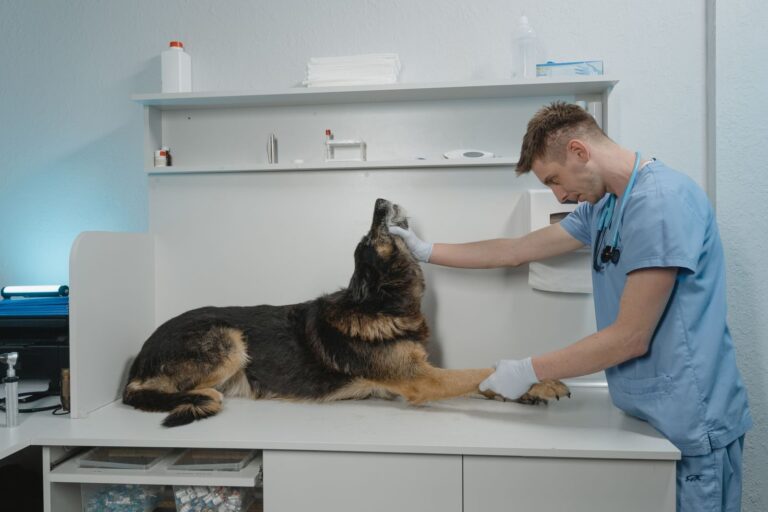
If you notice any combination of these signs, it’s time to consult your trusted Mississauga veterinarian. Don’t wait for obvious, severe limping. Early diagnosis is crucial for effective management. Your vet will perform a thorough physical examination, possibly involving palpating the joints, observing your dog’s gait, and may recommend diagnostic tests like X-rays to assess the extent of joint damage.
Finding a Good Vet in Mississauga
Mississauga is home to several excellent veterinary clinics dedicated to providing the best care for our pets. Many offer specialized services, including those focused on pain management and arthritis treatment. Your regular vet is often the first and best resource for recommendations.
What Happens After Diagnosis?
Once diagnosed, managing canine arthritis is often a long-term process focused on minimizing pain, maintaining mobility, and improving your dog’s quality of life. Treatment plans are tailored and may include:
Management Strategies
- Weight Management: This is fundamental. Work with your vet to establish and maintain a healthy weight for your dog.
- Appropriate Exercise: Don’t stop exercise, but adjust it. Low-impact activities like swimming or controlled leash walks are often beneficial. Consult your vet for the best routine.
- Dietary Supplements: Glucosamine, chondroitin, and omega-3 fatty acids are commonly recommended supplements to support joint health. Ask your vet about reputable brands.
- Environmental Modifications: Ramps for cars or beds, orthopedic cushions, and non-slip flooring can make a big difference in your dog’s comfort.
- Pain Relief: Over-the-counter options like glucosamine or prescription medications (available after a vet consultation) can help manage pain. Always consult your vet before starting any new medication or supplement.
- Alternative Therapies: Options like acupuncture or laser therapy might be suggested by your vet to complement other treatments.
Prevention is Better Than Cure
While you can’t completely prevent arthritis, you can significantly reduce the risk and slow its progression:
- Maintain a Healthy Weight: This is the single most important step. Spay/neuter responsibly and feed age-appropriate, balanced food.
- Controlled Exercise: Provide adequate exercise to keep joints lubricated but avoid high-impact activities, especially on hard surfaces.
- Supplements: Consider joint-supporting supplements, especially for large breed puppies or dogs showing early signs.
- Protect Joints: Avoid excessive stress on joints during development, especially in young, large-breed dogs.
- Warm-up and Cool-down: For active dogs, gentle warm-up and cool-down exercises can help maintain joint health.
Conclusion: Be the Early Detective
Arthritis doesn’t have to dictate your dog’s golden years. By being observant and familiar with the early signs, you can take prompt action in Mississauga. Regular check-ups with your vet, coupled with your daily observations, are your best tools. Remember, even small changes in behavior or mobility are worth mentioning to your vet. Early detection and management allow your best friend to continue enjoying the activities they love, comfortably and happily, right here in our great city.
Mississauga Pet Owners: If you have concerns about your dog’s joint health, don’t hesitate to reach out to your local Mississauga veterinary clinic. They are your partners in ensuring your dog lives a comfortable and active life.