In this story
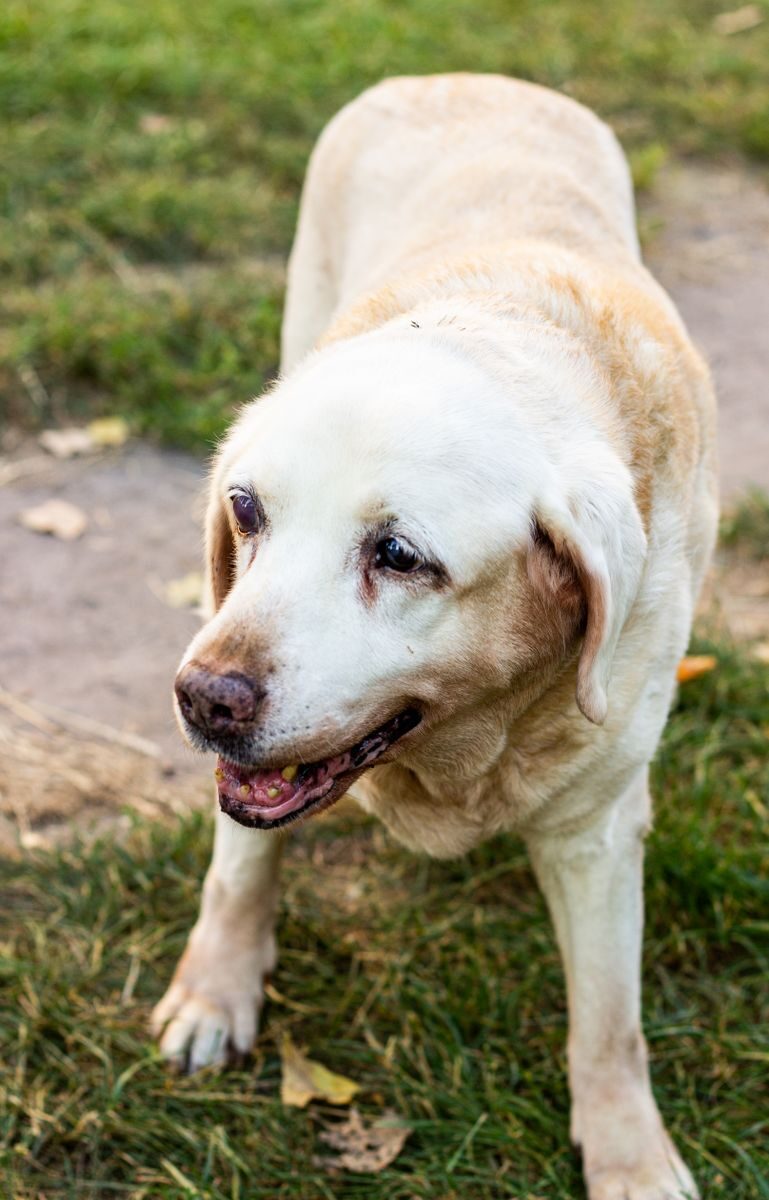
Early Signs of Arthritis in Dogs: A Vancouver Guide
As a dog owner in Vancouver, you’re likely familiar with the beautiful parks, the crisp air, and the active lifestyle many of us share with our canine companions. But just like us, dogs can develop health issues, and one of the most common concerns is arthritis. While it’s often associated with older dogs, arthritis (or osteoarthritis) can affect dogs of all ages. The good news? Vancouver is a very active city, perfect for maintaining canine mobility, and recognizing the early signs can make a significant difference in managing arthritis effectively.
Arthritis involves inflammation of the joints, leading to pain and stiffness. Over time, it can cause the cartilage within the joints to break down, resulting in discomfort and reduced mobility. Early detection is key because it allows for interventions that can slow the progression and significantly improve your dog’s quality of life before the condition becomes severe.
Why Early Detection Matters in the Great Outdoors
Vancouver offers fantastic opportunities for dogs to run, play, and explore. From Stanley Park to the beaches of False Creek, our city provides ample space for activity. However, if arthritis starts to set in, activities that were once effortless can become painful. Catching the signs early means you can work with your vet to find ways to keep your dog comfortable and mobile, allowing them to continue enjoying the great things Vancouver has to offer.
Being proactive isn’t just about finding a solution; it’s about understanding your dog’s normal behavior. Pay attention to subtle changes, because the onset of arthritis can be gradual. As a responsible pet owner, you know your dog best, making you the first line of defense against this condition.
Changes in Mobility and Activity Levels
One of the most common indicators that something isn’t right with your dog’s joints is a noticeable change in how they move or how active they are. Keep an eye out for these potential signs:
Hesitancy on Hard Surfaces
Does your dog seem reluctant to jump onto furniture, climb stairs, or walk on slippery floors? This reluctance might stem from joint pain. Vancouver’s many hard-surfaced parks and decks can become challenging for dogs with developing arthritis.
Slower Ascent or Descent of Stairs
Climbing stairs, whether up or down, puts significant strain on the joints in a dog’s legs. If your dog used to confidently navigate stairs but now slows down or avoids them altogether, it’s worth discussing with your vet.
Reduced Exercise Tolerance
Arthritis isn’t just about pain; it can also cause stiffness and fatigue. You might notice your dog becoming tired much sooner after walks or playtime than usual. What used to be a 30-minute hike might now leave them panting and unwilling to continue. This decreased energy isn’t necessarily due to old age; it could be an early sign of joint issues.
Reluctance to Jump or Play
Simple activities like jumping to greet you at the door or playing fetch might become less appealing. If your dog seems less inclined to engage in activities they previously loved, it’s a good idea to evaluate if pain could be a factor.
Difficulty Rising or Lying Down
Getting up from a resting position or lying down can become more challenging for dogs with joint stiffness. You might notice them stretching excessively or taking extra steps to get to their bed.
Behavioral Shifts
Arthritis doesn’t just affect a dog’s physical capabilities; it can also impact their mood and behavior. Pain, even subtle discomfort, can make dogs less inclined to engage with their environment or their family.
Increased Sleep or Restlessness
While dogs naturally sleep a lot, excessive sleep or seemingly restless sleep (getting up frequently and having trouble settling) can be a sign of discomfort. Pain can disrupt normal sleep patterns.
Grooming Difficulties
Dogs may find grooming tasks like licking their paws or grooming their rear ends more difficult if they cause them joint pain. A decrease in licking, especially around the hindquarters, could be an indicator.
Withdrawal or Reluctance to Interact
Arthritic pain can make dogs hesitant to participate in family activities or interact with other dogs. They might spend more time sleeping or resting and show less enthusiasm for play or training sessions.
Changes in Temperament
Pain sensitivity can sometimes lead to increased irritability or anxiety in dogs. If your dog seems more irritable than usual or shows signs of anxiety that weren’t previously present, it’s worth investigating potential causes, including arthritis.
Physical Observations
Beyond changes in behavior and movement, there are physical signs you can look for:
Stiffness, Especially After Rest
Dogs with arthritis often become stiffer after periods of rest, like waking up in the morning or after lying down. They might need a few minutes to loosen up before they can move comfortably. This stiffness should improve with gentle activity but then return if activity increases.
Swelling in Joints
While not always present, joint swelling (effusion) can occur, particularly in the elbows, knees, wrists, or hocks. If you notice any visible swelling or if a joint feels warmer than the surrounding area, it’s a cause for concern.
Audible Sounds During Movement
Crepitus, or the sounds of grinding, clicking, or popping when your dog moves their joints, can be an early indicator of joint damage. While some sounds might be harmless, persistent crepitus warrants a vet visit.
Muscle Loss
Arthritis can lead to muscle atrophy (wasting) around the affected joints due to reduced use and inflammation. Noticeable thinning of the muscles in the legs, particularly the quadriceps, can be a sign.
What to Do if You Notice These Signs
If you observe any combination of these potential early signs, it’s crucial to consult your veterinarian promptly. Early diagnosis is key to effective management. Don’t wait for the symptoms to become severe. Bring your observations to your vet’s attention, and they can perform a thorough examination and recommend appropriate tests.
Regular Vet Check-ups are Key
Prevention and early detection go hand in hand. Regular veterinary check-ups, especially as your dog ages or if they have a breed predisposed to joint issues (like Labrador Retrievers, Golden Retrievers, or German Shepherds, which are common in Vancouver), allow your vet to assess your dog’s joint health proactively.
Listen to Your Dog
Your dog is your best partner in health monitoring. They communicate through their behavior. If something feels off to you, trust that instinct and seek professional advice.
Vancouver’s Veterinary Care
Vancouver boasts excellent veterinary care options. While we won’t name specific businesses, your local vet is your best resource for diagnosing and managing canine arthritis. They can provide guidance tailored to your dog’s specific needs.
Living Well with Arthritis in Vancouver
Arthritis is a manageable condition, especially when caught early. With the right care, many dogs with arthritis lead comfortable, happy lives in beautiful cities like Vancouver. Lifestyle adjustments, appropriate nutrition, weight management, and potential treatments can all play a role in ensuring your dog enjoys their golden years with as much mobility and joy as possible.
Being vigilant about your dog’s well-being is one of the best things you can do as a Vancouver dog owner. By understanding the early signs of arthritis, you’re empowering yourself to provide the best possible care for your furry friend, allowing them to continue enjoying all the great things our city has to offer.
Disclaimer: This blog post provides general information and is not a substitute for professional veterinary advice. Always consult your veterinarian for diagnosis and treatment recommendations.