In this story
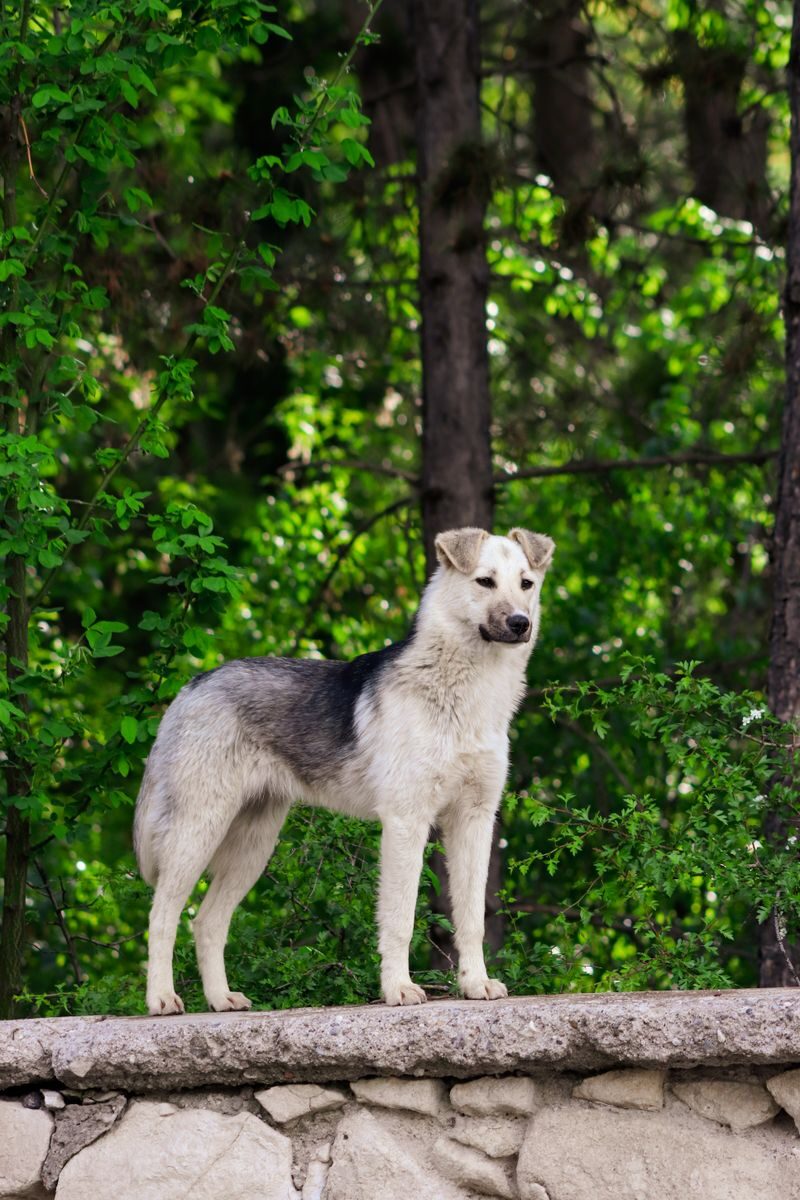
Boost Your Brampton Dog’s Confidence: A Practical Guide
Owning a dog in Brampton brings wonderful perks – from exploring beautiful parks like the Beaver Creek Dog Park to cozying up for a morning coffee. But sometimes, navigating community spaces can be a challenge for our furry friends. If your dog seems hesitant around other dogs, seems wary of new environments, or gets easily overwhelmed, you’re not alone. Boosting confidence is a crucial part of ensuring your dog lives a happy, well-adjusted life right here in Brampton.
Confidence issues in dogs aren’t just about feeling good; they’re about safety and well-being. A confident dog is better able to interact positively, explore the outdoors, and handle everyday situations without undue stress. This guide offers practical, everyday strategies to help your dog navigate the sights, sounds, and spaces of Brampton with more ease.
Understanding Canine Confidence: What’s Really Going On?
Before diving into solutions, it’s helpful to understand what confidence means for a dog. Think of it as their personal sense of security and competence in the world. A confident dog feels comfortable in their own skin and can handle new situations calmly.
Low confidence, or fearfulness, often stems from past negative experiences, genetics, or feeling overwhelmed by environmental stimuli. It’s not about being tough; it’s about building resilience and comfort. Patience is absolutely key when working on confidence – rushing the process can often backfire.
Signs Your Dog Might Be Low on Confidence
Recognizing the signs is the first step. If your dog exhibits one or more of these, confidence building might be needed:
- Avoidance: Hides, runs away, or tries to escape situations (like meeting other dogs or entering a park).
- Body Language: Tail tucked, ears back flat, lowered body posture, lip licking, yawning, whining.
- Reactivity: Barking, growling, or showing teeth towards perceived threats (even stationary ones).
- Overwhelmed: Seems anxious, panted excessively, or has accidents inappropriately when exposed to too much stimulation.
- Resource Guarding: Protects food, toys, or your attention more intensely than before.
Building Confidence: Practical Steps for Brampton Living
1. Master the Basics: Positive Reinforcement Training
This is arguably the most effective and gentle foundation for building confidence. Focus on rewarding calm, confident behaviours.
- Reward Calmness: When your dog is just being present in a low-stress environment (like your own home or a quiet park), reward them with treats, praise, or play. The goal is to teach that being relaxed is good.
- Clicker Training: Using a clicker helps mark desired moments precisely. You can shape behaviours like ‘loose leash walking’ or ‘looking away’ which are fundamental.
- Controlled Desensitization: Gradually introduce the things your dog finds scary at a level they can comfortably handle. For example, if they’re wary of other dogs at the Beaver Creek Dog Park, start from a distance, rewarding calm behaviour. Slowly decrease the distance over many short sessions.
2. The Power of ‘Leave It’ and ‘Drop It’
These commands are invaluable tools for managing overwhelming situations.
- ‘Leave It’: Useful when something catches their attention but might be too much. Hold a treat in your hand, say ‘Leave It’, and wait until they look away before giving the treat. Then, practice with interesting objects on the ground.
- ‘Drop It’: Teaches them to release items they might be sniffing or mouthy about. Start with a toy you know they’ll carry. Say ‘Drop It’, gently take the item when they let go, and reward generously.
3. Controlled Exposure to Community Spaces
Brampton offers fantastic outdoor areas. Use these for gradual exposure.
- Start Small: Don’t jump straight to busy areas. Start with quieter neighbourhood walks, then maybe explore parks like the Credit River Conservation Area at off-peak times.
- Keep Them on a Short Leash: Especially at first, gives you more control over their environment.
- Watch the Trail: When using the Bramalea Trail or other local paths, keep a close eye on your dog and choose less crowded sections.
- One Dog at a Time: If your dog seems overwhelmed by multiple dogs, ensure they interact one-on-one initially. Controlled, positive interactions are key.
- Positive Reinforcement: Always reward calm, polite interactions. If they’re scared, retreat and try again later.
4. Harness the Calm Energy of Your Own Dog
Dogs are social creatures and learn from each other. If you tend to be anxious or reactive, your dog might pick up on that energy.
- Stay Calm: Your dog will notice your stress levels. Try to remain relaxed and confident during walks and park visits.
- Model Desires: Show genuine enjoyment in being outside and exploring, reinforcing that the experience is positive.
5. Utilize Enrichment at Home
A calm, confident dog starts at home.
- Scent Work: Hide small treats around the house or yard. This engages their natural instincts and builds confidence through problem-solving.
- Food Puzzles: Interactive feeders can make meal times more engaging and less anxiety-inducing.
- Safe Haven: Create a quiet, cozy space in your home where your dog can retreat if they feel overwhelmed.
6. Leverage Local Resources (Without Promoting Specific Businesses)
Brampton has many resources for pet owners. Consider:
- Local Training Classes: Many community centers or independent trainers offer group and private sessions focusing on behaviour and confidence. Look for classes emphasizing positive reinforcement.
- Support Groups: Online forums or local meetups can connect you with other Brampton dog owners facing similar challenges.
- Small Canadian Makers: There are many local artisans creating great dog toys and accessories. These can be excellent tools for play-based confidence building.
Navigating Potential Challenges in Brampton
Busy Parks and Trails
Places like Beaver Creek Dog Park can be overwhelming. Always prioritize your dog’s comfort:
- Check Conditions: Websites or social media groups often share updates on park cleanliness and activity levels.
- Supervise: Keep a close eye on your dog, especially near equipment or high-traffic areas.
- Respect Boundaries: If your dog prefers to hang back, support that choice.
Encounters with Other Dogs
Positive interactions are the goal, but safety comes first:
- K9 Trails: If using dog walking trails, keep your dog on leash initially if they are easily spooked or reactive.
- Read Body Language: Learn to recognize signs of stress in other dogs to avoid potentially frightening situations.
Weather Considerations
Brampton’s weather can vary. Ensure your dog is appropriately prepared for cold or hot conditions, as discomfort can lower their threshold for confidence.
When to Seek Professional Help
While many cases of low confidence can be addressed with at-home strategies, sometimes professional help is needed. If you’ve tried consistent methods for weeks or months without improvement, or if your dog’s fear seems severe (phobias), consider consulting a certified positive reinforcement trainer or a veterinary behaviourist. These professionals can provide tailored plans.
Final Thoughts: A Compassionate Approach
Building confidence in your Brampton dog is a journey, not an overnight fix. Focus on small, consistent successes, celebrate progress, and be patient with yourself and your dog. By using positive, gentle techniques, you can help your canine companion feel more secure, enabling them to enjoy all the wonderful outdoor adventures that life in Brampton has to offer. Every confident step they take brings you closer to a more relaxed, happy partnership.
Remember: Every dog is unique. Tailor these strategies to suit your dog’s individual needs and always prioritize their comfort and well-being above all else. Happy training in Brampton!