In this story
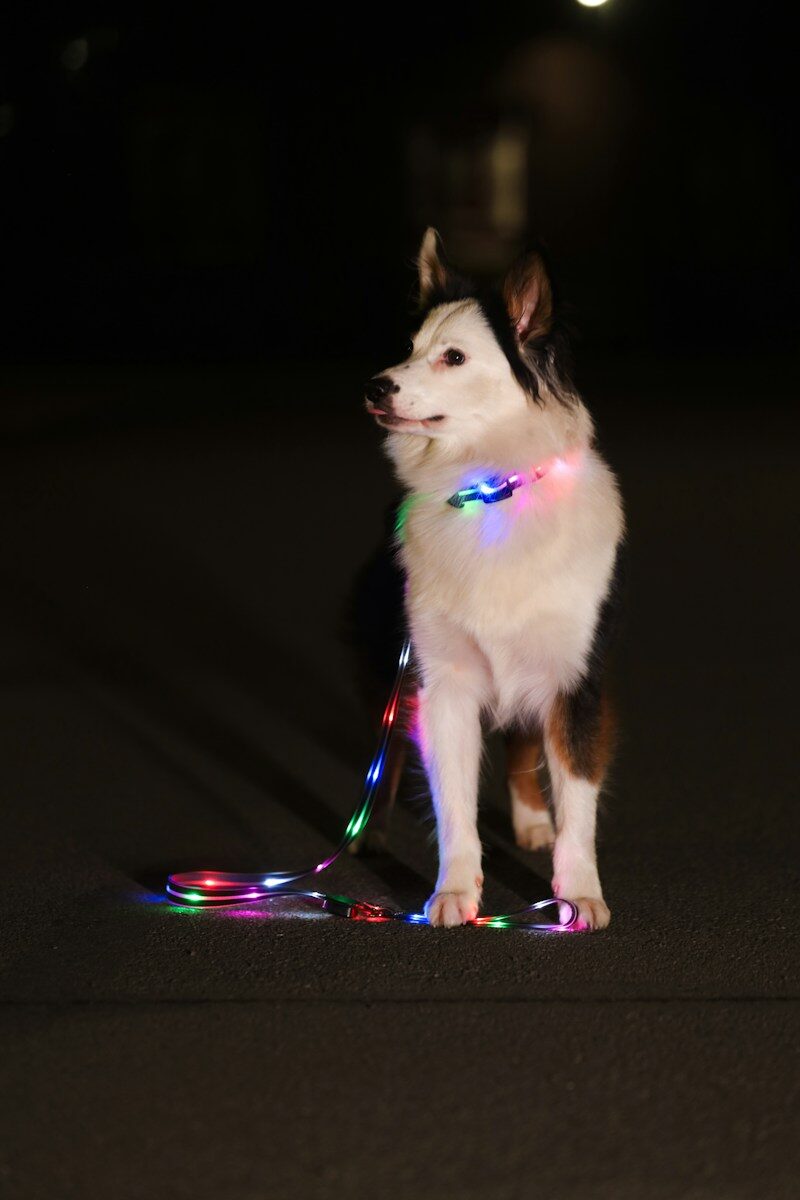
Keeping Your Winnipeg Dog Safe at Night
Winnipeg nights can bring unique challenges for dog owners—from unpredictable weather to the need for proper security. While most of us think of our four-legged family members as cherished members of the household, ensuring their safety during the evening hours requires thoughtful preparation. This guide covers essential strategies to keep your dog safe at night, whether they sleep inside your home, in a secure yard, or temporarily in a kennel.
Beyond the Kennel: General Nighttime Safety for Your Dog
While many Winnipeg dog owners utilize local kennels for boarding, or keep their dogs securely at home, safety considerations remain consistent regardless of where your dog spends the night.
Creating a Safe Indoor Environment
Even if your dog sleeps inside, ensuring their indoor safety is paramount:
- Check for Microchip Registration: Ensure your dog’s microchip information is up-to-date with your current contact details. This is a simple but crucial safety net.
- Secure All Doors and Windows: Winnipeg homes often have screened-in porches or open doors leading to porches or yards. Double-check that all interior doors and basement access points are securely closed before you settle in for the evening.
- Crate Safety: If you use a crate, ensure it’s the right size for your dog (too large can be dangerous), placed in a safe location away from drafts or heating vents, and has bedding that won’t shift and create a suffocation hazard.
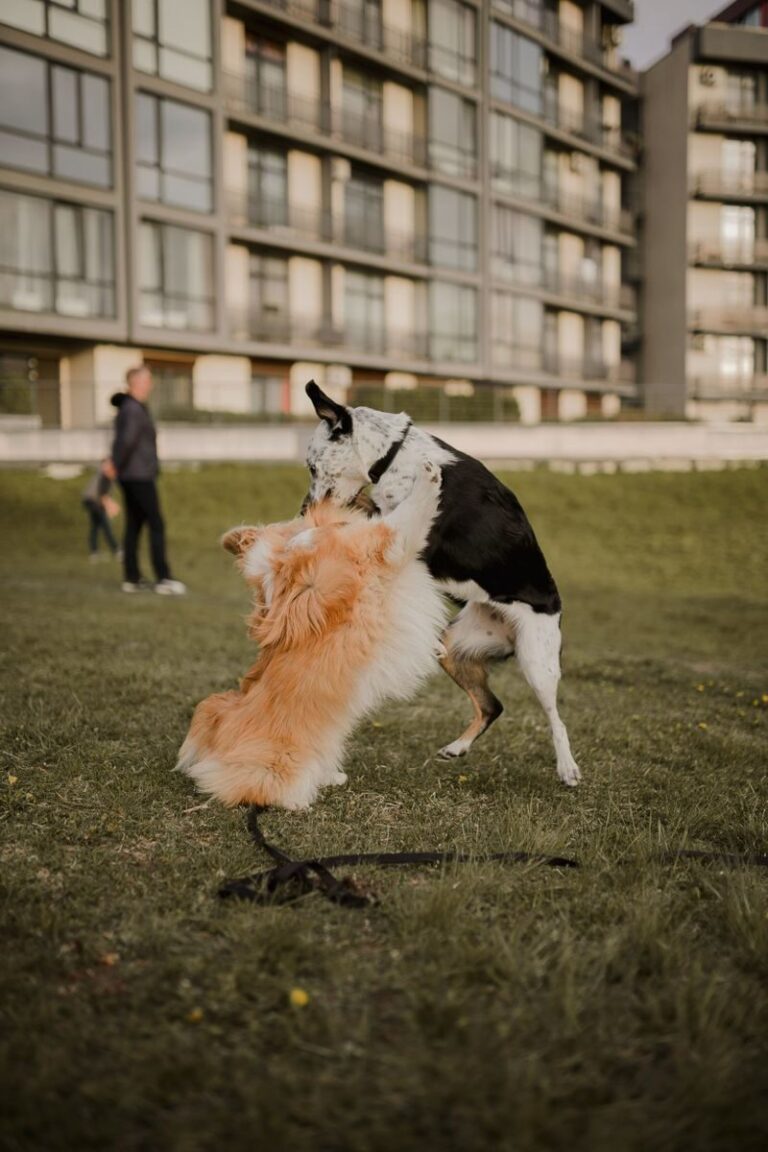
- Supervise Interactions: If multiple dogs are in the home, ensure they get along well, especially during the night when tiredness can increase the likelihood of conflicts.
Kennel Considerations
If you use a local Winnipeg kennel for boarding or daycare:
- Know Your Kennel: Visit the facility, meet the staff, and understand their nighttime procedures, cleaning schedules, and staff rotation.
- Comfort is Key: Ensure the kennel provides adequate bedding, proper ventilation, and appropriate temperature control, especially important for our colder climate.
- Check Identification: Confirm that the kennel has multiple forms of identification on your dog’s collar and microchip information is known to their staff.
Weather Warnings: Keeping Your Dog Comfortable in Winnipeg Winters
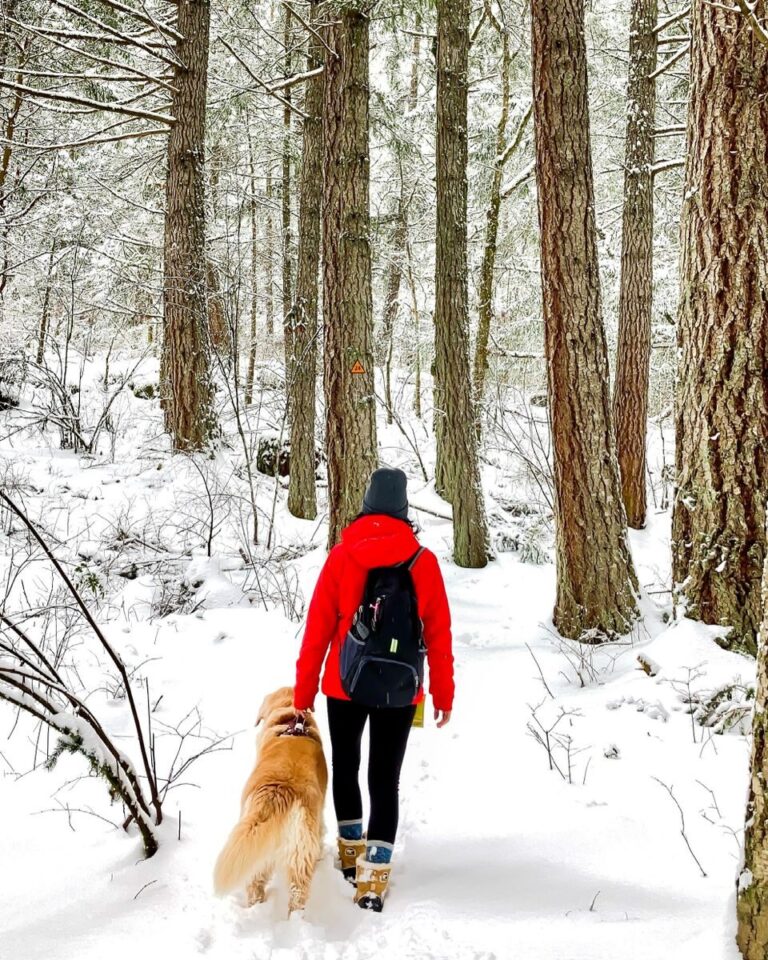
Winnipeg’s winters demand special attention when keeping dogs safe overnight.
Cold Weather Precautions
- Check the Temperature: Before leaving your dog outside (if that’s an option for you), check the evening forecast and thermometer. Most dogs have limits for cold tolerance, and this varies significantly by breed.
- Limit Exposure Time: If your dog spends time outdoors overnight, ensure it’s as brief as possible and only in milder temperatures. Never leave a dog outside for extended periods during extreme cold.
- Protect from Wind and Ice: Wind chill in Winnipeg can be brutal. Ensure your dog isn’t exposed to direct wind. Check for ice dams forming on decks or sidewalks where they might need to exit.
- Appropriate Gear: Consider dog coats and booties if recommended by your vet for particularly harsh conditions, especially for short-coated breeds.
- Check for Signs of Distress: Watch for shivering, reluctance to move, or frost on breath (ice fog). These are signs your dog might be too cold.
Snow and Ice Safety
- Non-Toxic Deicers: If using deicers on pathways your dog walks on, ensure it’s pet-safe. Avoid rock salt which can cause paw pad irritation or ingestion issues if they lick it off.
- Keep Paw Pads Clean: Check your dog’s paw pads for ice and debris after walks or outdoor time.
Outdoor Safety & Security
Even in the safest yards, some precautions are necessary.
Yard Security
- Fencing: Ensure your fence is sturdy, secure, and properly maintained. Check for gaps or chewed sections, especially if your dog is a digger or chewer.
- Supervised Potty Breaks: If your dog must be outside overnight, ensure they have safe, well-lit areas to relieve themselves, and always supervise initially.
- Check for Runaways: Winnipeg’s parks (like Osborne) can be beautiful but also vast. Ensure your dog is properly secured before letting them explore off-leash areas.
Darkness Considerations
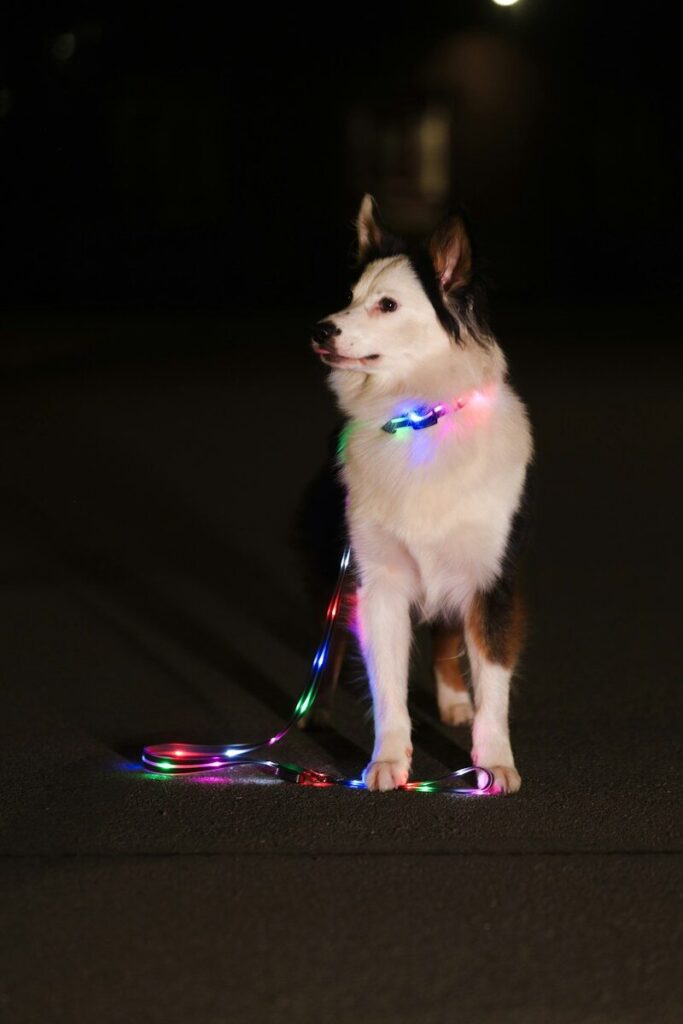
- Bright Lighting: Ensure outdoor areas where your dog moves (like near the door or bathroom area) have adequate lighting.
- Avoid Excessive Noise: Some dogs are sensitive to sounds (like barking or sirens) at night. Provide a quiet, cozy space if needed.
Emergency Preparedness
Regardless of the season, being prepared for unexpected situations is crucial.
Your Emergency Kit
Every dog owner should have an emergency kit ready, stored near the door:
- Water and Food: Enough for at least 24 hours.
- First-Aid Kit: Pet-specific first-aid kit is essential.
- Identification: Collar with ID tags, copies of vaccination records, and a list of emergency contacts.
- Comfort Items: Familiar blanket, toy, or bed.
- Medications: Current vet-prescribed medications.
- Local Resources: Phone numbers for SPCA Winnipeg, local veterinarians, and the Winnipeg Police Crime Stoppers.
Community Resources
- SPCA Winnipeg: Know their emergency contact information.
- Winnipeg Police Crime Stoppers: Have the number ready.
- Local Kennel Emergency Protocols: Understand what to do if your dog becomes lost or requires emergency boarding.
When to Seek Help
If your dog doesn’t return home as expected, or if you have concerns about their safety during the night (e.g., signs of extreme cold, distress), don’t hesitate to:
- Contact Your Vet: For immediate medical concerns.
- Call SPCA Winnipeg: If you suspect neglect or danger.
- Notify Neighbours or Local Police: If you’re concerned about your dog being lost or in danger.
Final Thoughts on Winnipeg Dog Safety at Night
Keeping your Winnipeg dog safe at night involves a combination of preparation, vigilance, and understanding the unique challenges of our climate. By implementing these strategies—securing your home, preparing for weather, ensuring proper identification, and having an emergency plan—you can help ensure your best friend enjoys a safe and comfortable night’s rest, whether inside your home or elsewhere in the city. Remember to check with your veterinarian for breed-specific advice and always prioritize your dog’s comfort and safety above all else.