In this story
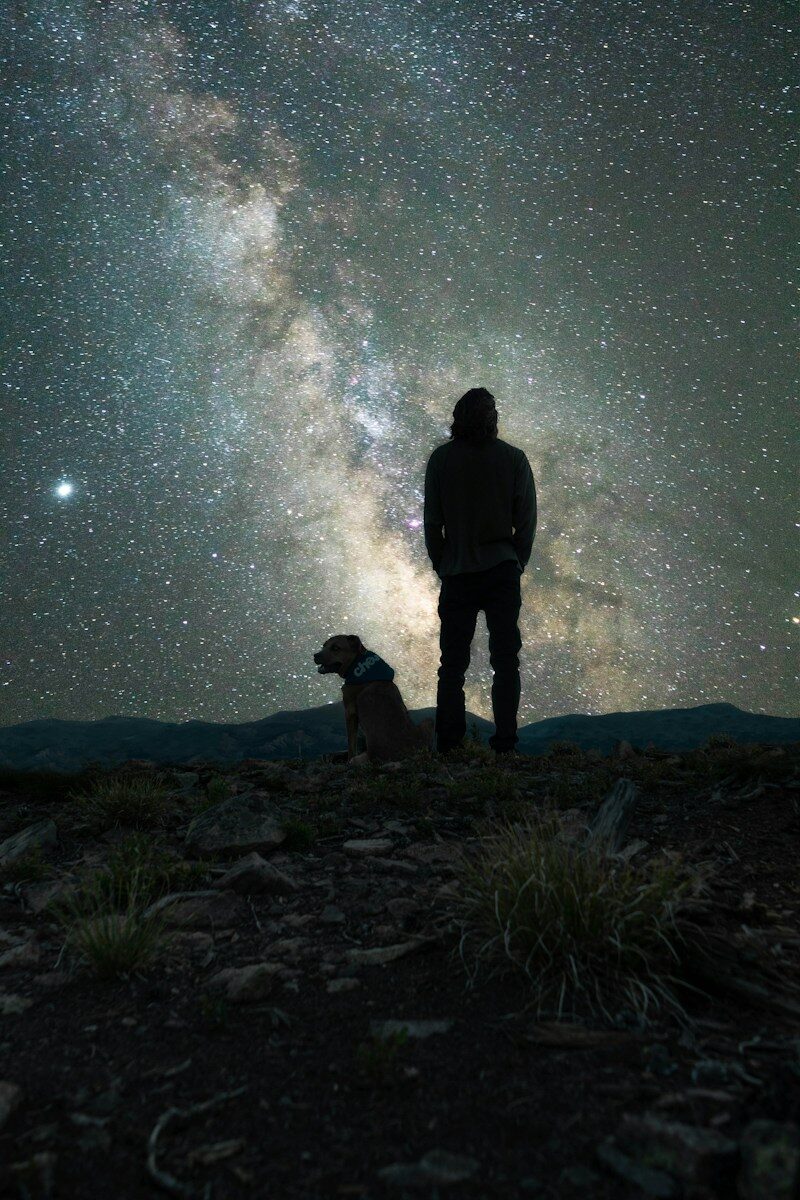
Keeping Your Edmonton Dog Safe Through the Night
As the days grow shorter and Edmonton’s weather brings colder temperatures, ensuring your dog’s safety and comfort overnight becomes a top priority. Whether it’s a bright winter night or a cool summer evening, proper preparation can prevent distress and keep your best friend secure. This guide offers practical advice tailored to Edmonton living.
1. Prioritizing Shelter and Warmth
Regardless of the season, your dog needs a safe, designated indoor space to sleep. This is especially crucial in Edmonton’s climate.
- Designated Indoor Sleeping Area: Ensure your dog has a specific, comfortable indoor space away from drafts and high-traffic areas. A crate, bed, or simply a quiet corner with soft bedding works well.
- Temperature Considerations:
- Cold Nights (Winter): Edmonton winters can be harsh. Keep your dog indoors. If they spend time outdoors (supervised, of course), ensure they have adequate insulation (thick blankets), a dedicated heated bed or crate liner (ensure it’s safe for continuous use and monitor temperature), and multiple layers of clothing if needed (but remove periodically to prevent overheating). Never use heating pads directly unless designed for pets and under strict supervision.
- Cool Nights (Spring/Fall): Ensure the indoor sleeping area is draft-free. Radiators (used cautiously and monitored) or fans can help, but often simply insulating the space is sufficient.
- Warm Nights (Summer): While Edmonton summers are generally milder at night, ensure the indoor sleeping area isn’t too hot. Provide fresh water and consider cooling mats if your dog tends to get too warm.
- Pro-Tip: Edmonton’s basement levels can sometimes be cooler, so always check the temperature of any indoor space before letting your dog use it overnight.
2. Securing Your Edmonton Home
Preventing your dog from accessing dangerous areas or escaping is vital.
- Proofing Your Home: Ensure all doors and windows leading outside are securely closed and latched. Use pet gates to restrict access to areas you don’t want them near at night (like garages or laundry rooms).
- Microchip and Tags: Ensure your dog’s collar is properly fitted, has your current contact information, and contains their microchip information. In Edmonton, this is crucial for reunification if they ever wander outside.
- Supervising Potty Breaks: Never leave your dog unattended outdoors for extended periods, especially if they need to relieve themselves. Edmonton’s weather can change quickly, and wandering dogs are vulnerable. Keep bathroom breaks brief and supervised.
- Yard Safety: If your dog sleeps outside (ideally discouraged in extreme Edmonton weather), ensure the enclosure is secure against digging, chewing, and escape. Check fencing regularly.
- Edmonton-Specific Note: Be aware of wildlife. While less common at night, ensuring your dog is secure prevents potential encounters.
3. Indoor Comfort and Mental Well-being
A comfortable dog is a safe dog. Address both physical comfort and mental stimulation.
- Comfortable Bedding: Edmonton’s temperature fluctuations mean bedding should be cozy and, if heated, safe. Orthopedic beds can provide comfort for older dogs.
- Calming Environment: A quiet, dark room can help your dog feel safe and restful. Avoid loud noises or bright lights before bedtime.
- Mental Stimulation (Optional): A puzzle toy or a safe, durable chew toy can provide quiet entertainment and reduce anxiety, but ensure it’s not too stimulating for a good night’s sleep.
- Routine: Maintaining a consistent bedtime routine can help your dog feel secure and know when it’s time to settle down.
4. Ensuring Access to Essentials
Your dog needs access to water, even overnight.
- Fresh Water: Always provide a clean, fresh water bowl indoors overnight. Ensure it doesn’t get knocked over or frozen.
- Food: If your dog eats once a day, ensure their meal is completed before bedtime. For dogs on a timed medication schedule, follow your vet’s advice.
5. Emergency Preparedness
Being prepared for unexpected situations is key to your dog’s nighttime safety.
- Emergency Kit: Assemble a kit with essentials:
- Copies of your dog’s health records (vaccinations, microchip info).
- A photo of you and your dog for identification.
- A leash and collar/harness.
- A carrier.
- Food, water, and bowls.
- Medications.
- Extra blankets.
- Local emergency numbers (including Edmonton’s animal services).
- Vet Information: Keep your vet’s contact information handy, and know your dog’s health issues and any medications.
- Know Your Neighbourhood: Be aware of Edmonton’s animal control contact information and emergency services.
- Plan Ahead: Know where your dog is sleeping and ensure they are safe if you need to evacuate.
6. Specific Considerations for Edmonton’s Climate
Edmonton’s winters present unique challenges.
- Hypothermia and Frostbite: Keep your dog indoors. If they are outside, ensure they are adequately sheltered from wind and cold. Limit time outside. Check their ears, paws, and nose periodically for signs of cold exposure (redness, frost buildup).
- Slippery Surfaces: Ensure indoor areas are clear of icy steps or slippery mats near their sleeping area.
- Indoor Air Quality: Ensure your home has adequate heating and ventilation. Dry air in winter can sometimes cause discomfort.
- Supervise Young Puppies: Puppies have less ability to regulate their body temperature. Extra care is needed, especially in winter.
Conclusion
Keeping your Edmonton dog safe at night involves a combination of providing warmth and shelter, ensuring their indoor environment is secure and comfortable, maintaining access to essentials, and being prepared for emergencies. By taking these steps, you can help ensure your furry family member enjoys a peaceful and safe night’s sleep, just like everyone else in Edmonton.